
The Quiet Revolution: Why Owning A Mechanical Clock Still Matters
In an age governed by silent, glowing screens and frictionless precision, the idea of owning a mechanical antique clock can feel almost rebellious.
Why choose a device that ticks audibly, requires winding, and occasionally demands care, when time itself is now effortlessly distributed across satellites, smartphones, and other similar smart devices?
Well it’s because a mechanical clock does something modern technology cannot, it enables you to feel time.
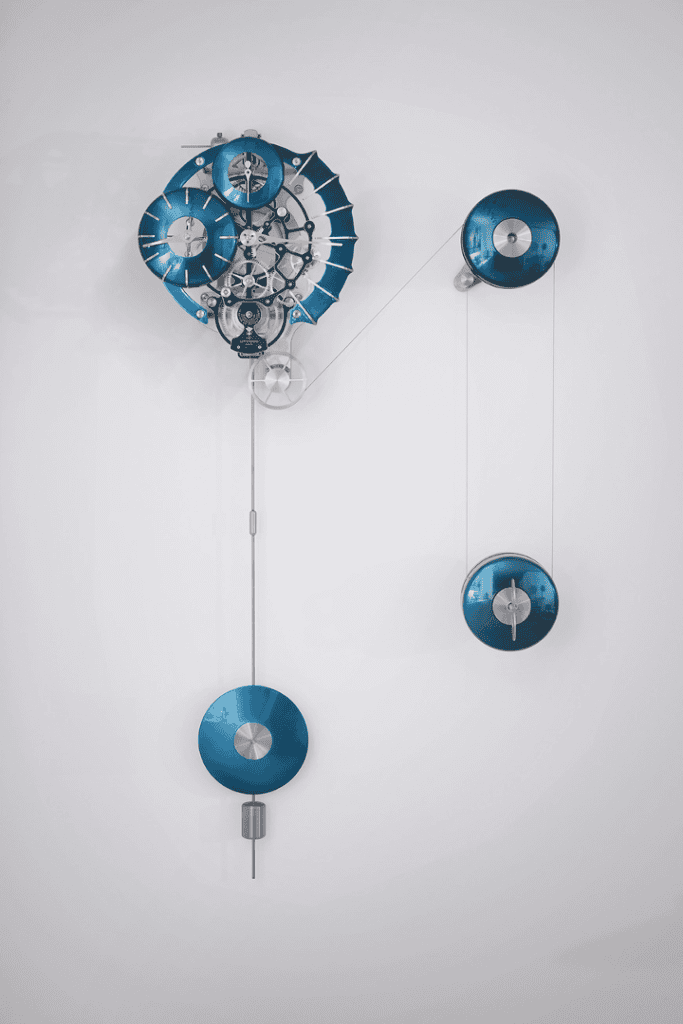
The Ballastographe above seems to be moving in a similar way as it floats above the surface of the wall exposing numerous layers of mechanics. This wall clock is inspired by the nautilus, a type of cephalopod that has been feeling and groping its way along deep ocean reefs for over 480 million years. This version is exclusive to MB&F M.A.D Gallery & LABs.
Time You Can Hear, See, and Touch
A mechanical antique clock does not merely display time, it performs it. Each second is articulated through a delicate choreography of gears, springs, and escapements. The ticking is not background noise; it is a heartbeat. It grounds a room, marking presence rather than just passing moments.
Unlike digital timekeeping, which abstracts time into numbers, a mechanical clock transforms it into motion. You witness the slow sweep of a hand, the oscillation of a pendulum, the subtle resistance of a winding key. Time becomes tactile, almost human. It asks for engagement.
And in that engagement lies its quiet power.
A Dialogue Across Generations
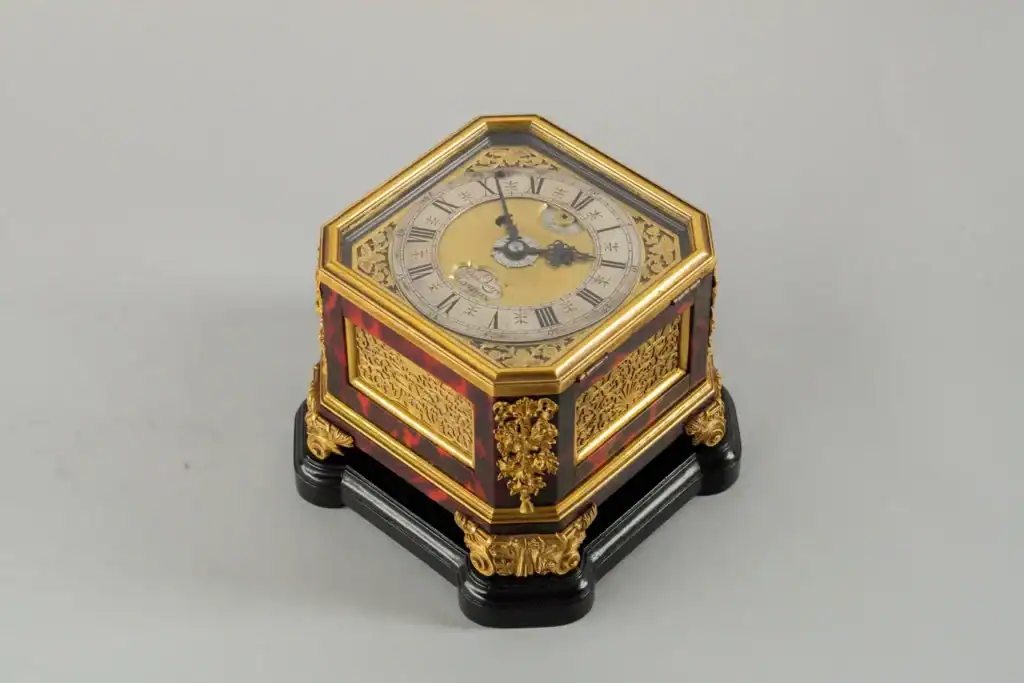
Every antique clock carries with it the imprint of another era, an echo of the hands that built it, owned it, and relied upon it. These objects were not designed for obsolescence. They were built to endure, to be repaired, and to be passed down. This fine 300-year old example below, by leading maker, Daniel Quare, is of exceptional quality.
Owning one is not simply a matter of decoration or utility; it is participation in a continuum. You become a custodian rather than a consumer.
In contrast to the disposable culture surrounding modern electronics, a mechanical clock invites a different mindset, one rooted in stewardship. When you wind it, you are not just powering a mechanism; you are continuing a ritual that may have been performed for over a century.
The Beauty of Imperfection
Modern timekeeping prides itself on absolute precision. Atomic clocks measure time to unimaginable degrees of accuracy. But there is something profoundly appealing about the slight irregularities of a mechanical clock.
A few seconds gained or lost over a week is not failure, it is character. It reminds us that perfection is not always the highest virtue. In fact, these subtle variations can feel reassuring, even comforting. They align more closely with the rhythms of human life, which is rarely exact and never perfectly measured.
The mechanical clock does not pretend to transcend time; it lives within it.
Practicality, Reconsidered
At first glance, calling a mechanical clock “practical” might seem counterintuitive. It requires maintenance, occasional servicing, and a degree of patience. Yet practicality is not solely about efficiency, it is about value over time.
A well-maintained mechanical clock can function reliably for generations. It does not rely on software updates, battery cycles, or network connectivity. It is immune to obsolescence in a way that modern devices can never be.
Moreover, its role extends beyond timekeeping. It anchors a space. It creates atmosphere. It offers continuity in environments that are increasingly transient.
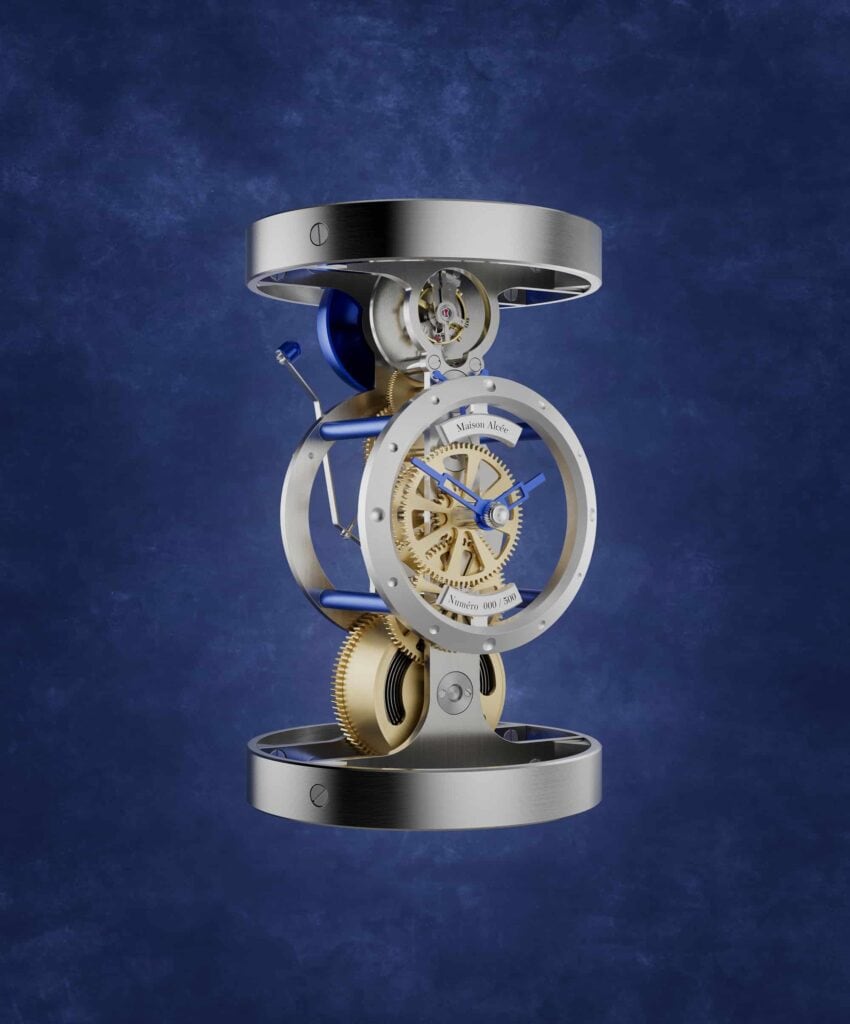
In this broader sense, it is deeply practical, not just as a tool, but as a stabilising presence. You can even build your own (above). This stunning Persée Azur clock by Maison Alcée comes in a beautiful case with 233 movement and casing components to be assembled, the tools and a booklet to help you assemble your own timepiece signed with your name.
A Statement of Intent
Choosing to own a mechanical antique clock is, ultimately, a statement. It signals a willingness to slow down, to appreciate craftsmanship, and to embrace objects that demand something in return for what they give.
It resists the notion that newer is always better. It challenges the idea that convenience should eclipse connection.
And perhaps most importantly, it restores a sense of ceremony to the everyday act of marking time.
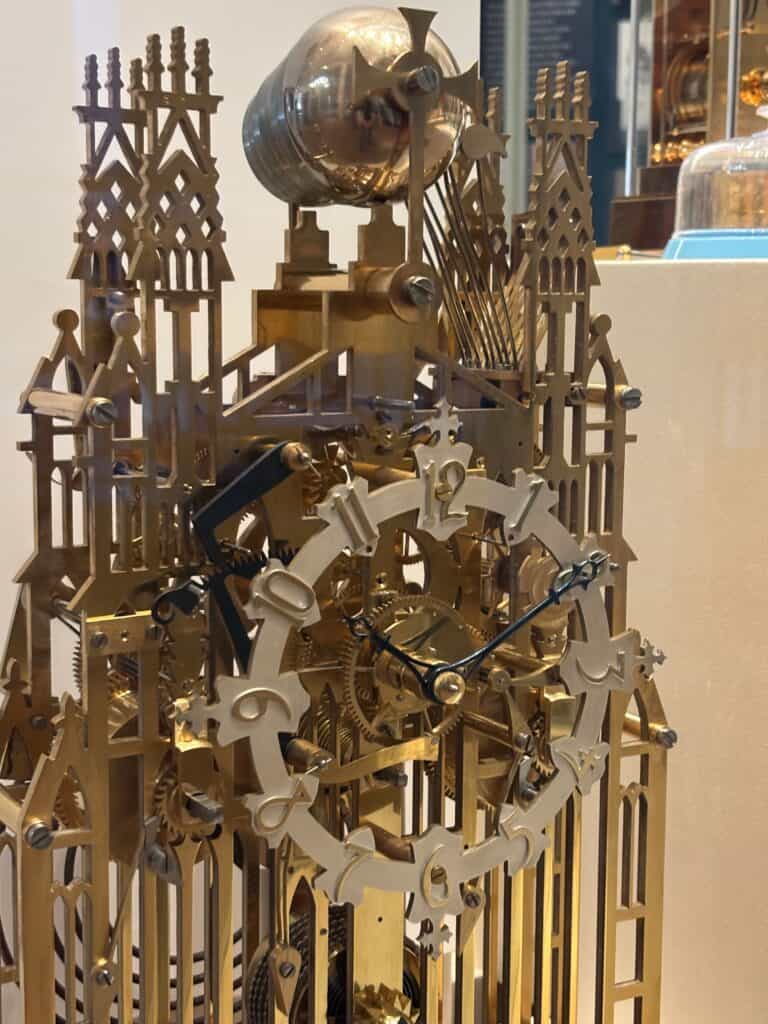
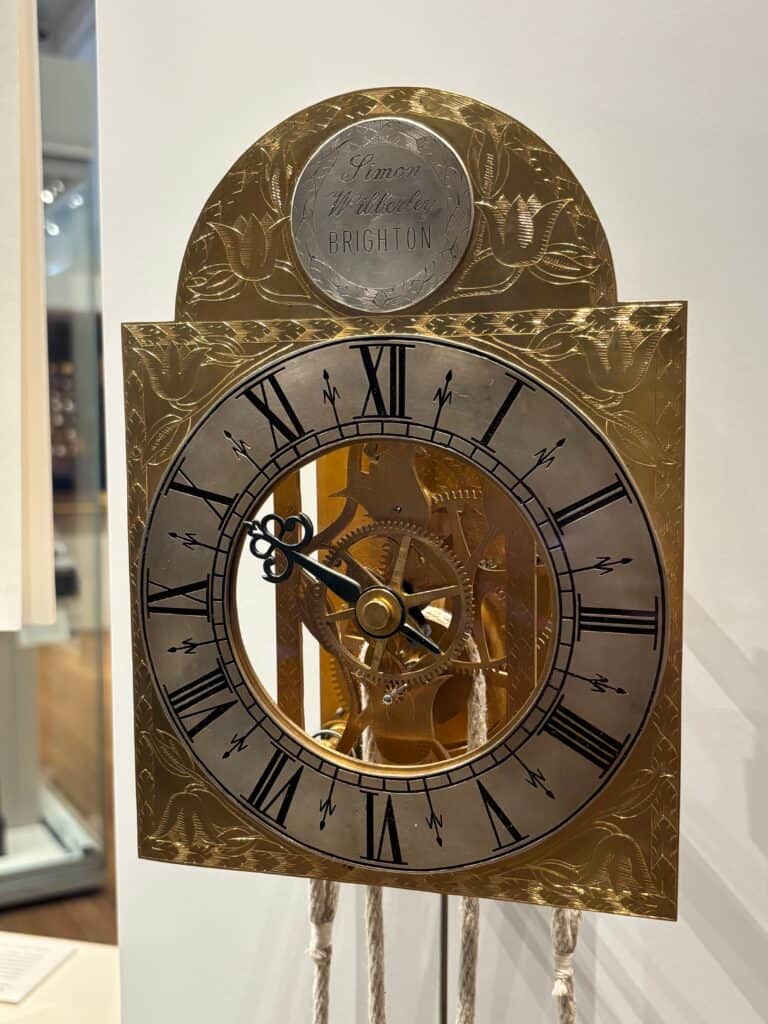
There is a thriving new generation of clockmakers coming through the various school’s of horology, including Birmingham City University (BCU) and West Dean College (WDC). The clocks above were made by students Ted Cliffe (BCU) and Simon Wibberley (WDC) and are now on display at the Clockmakers’ Museum in London.
The Enduring Appeal
In a world that often feels accelerated beyond comprehension, the steady tick of a mechanical clock offers something rare, and that is constancy. Not the sterile constancy of digital precision, but the living constancy of a system in motion, fragile, intricate, and enduring.
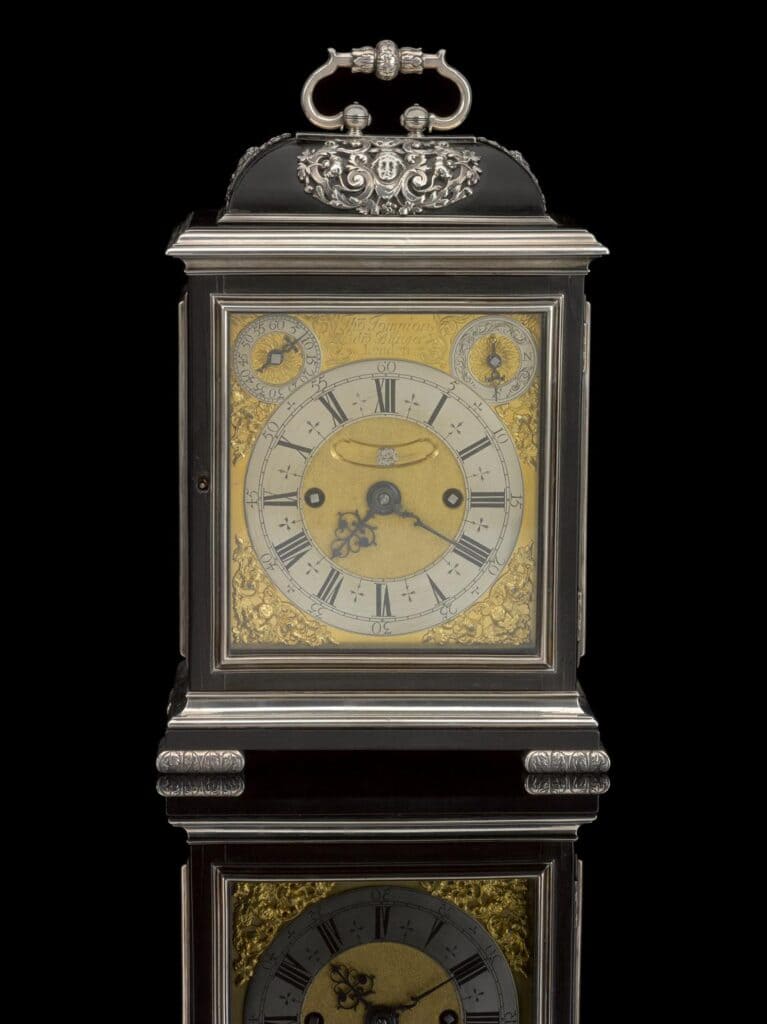
Owning such a clock is not about nostalgia. It is about presence. It is about recognising that time is not just something to be measured, but something to be experienced. The above clock is a stunning small table clock with striking mechanism made in 1708 by Thomas Tompion, known as the ‘Father of English Clockmaking’ and has its original oak carry case, which is extremely rare with a clock of this age.
And sometimes, the most practical choice is the one that reminds us of that.
Owning A Modern Masterpiece
While antique clocks embody centuries of heritage, there are contemporary makers who carry this tradition forward with remarkable fidelity and innovation. Among them, Sinclair Harding stands as a standard-bearer of British horological excellence. Renowned for crafting bespoke clocks by hand, the company blends time-honoured techniques with refined modern aesthetics.
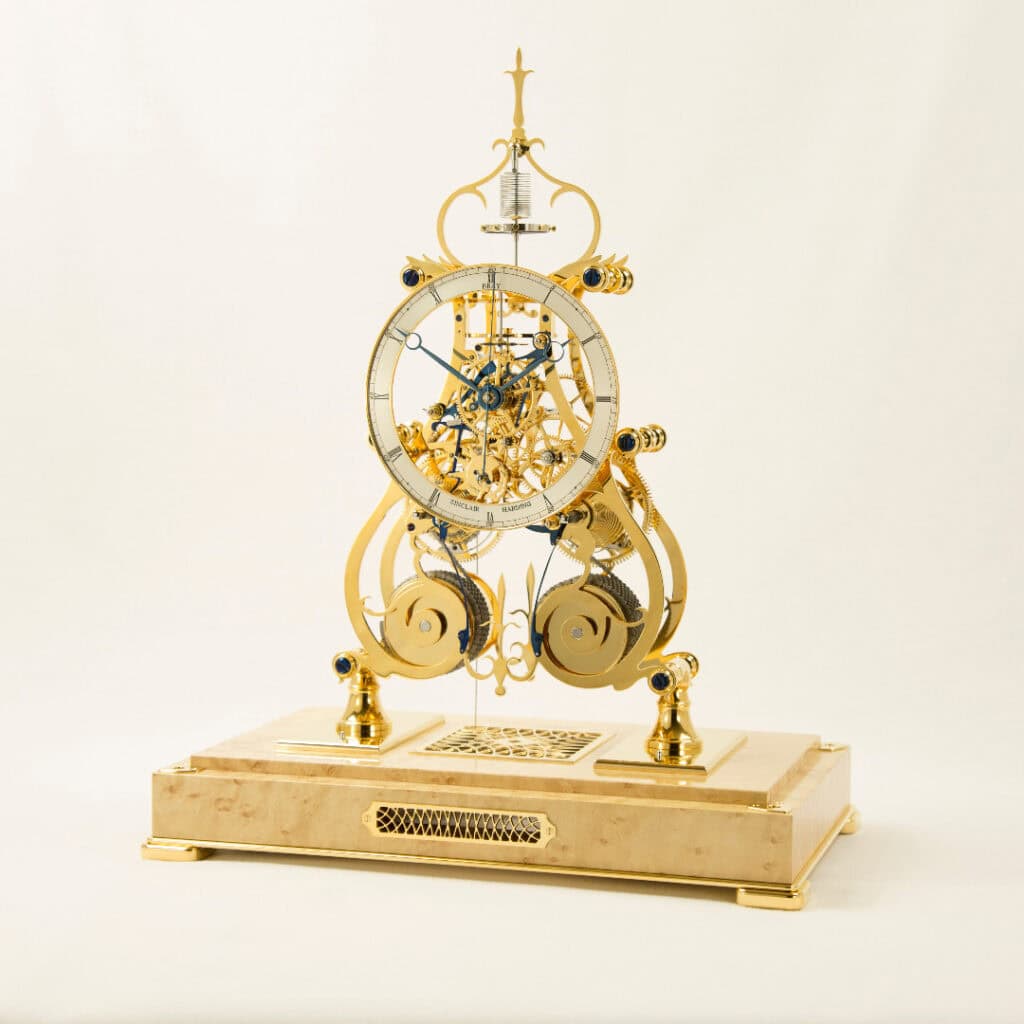
Each piece is built not simply to echo the past, but to extend it, designed to endure for generations while remaining unmistakably contemporary. In this context, a bespoke mechanical clock is not just an object of beauty, but a living continuation of the tradition, proof that even in today’s digital world, the art of measured time remains as relevant, and as captivating, as ever.
There’s never been a more compelling moment to own a mechanical work of art, one that is as functional as it is timeless.
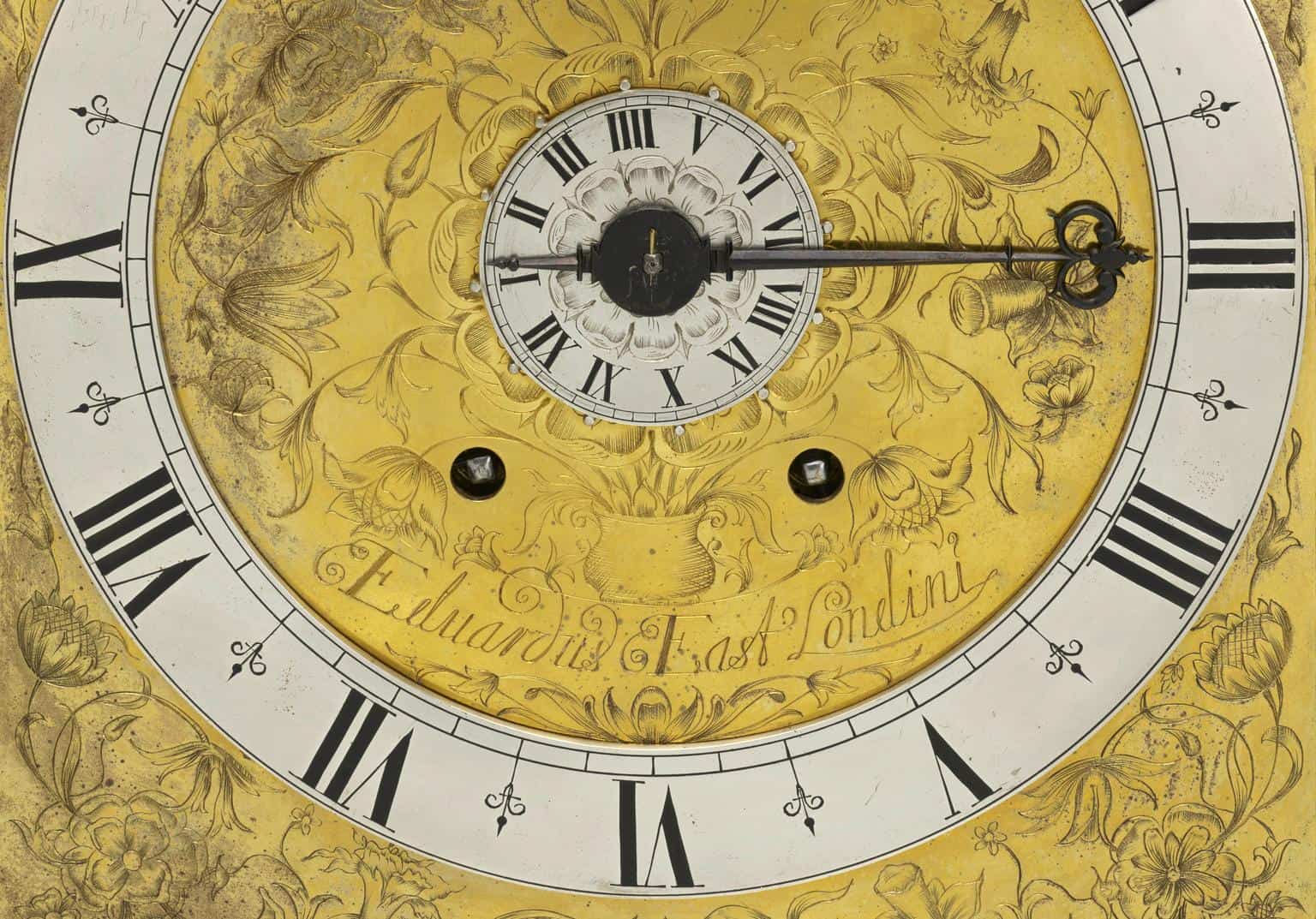
Hero Image: Early London made pendulum clock by Edward East, c.1644, London. Science Museum Group/The Clockmakers’ Museum © The Board of Trustees of the Science Museum