
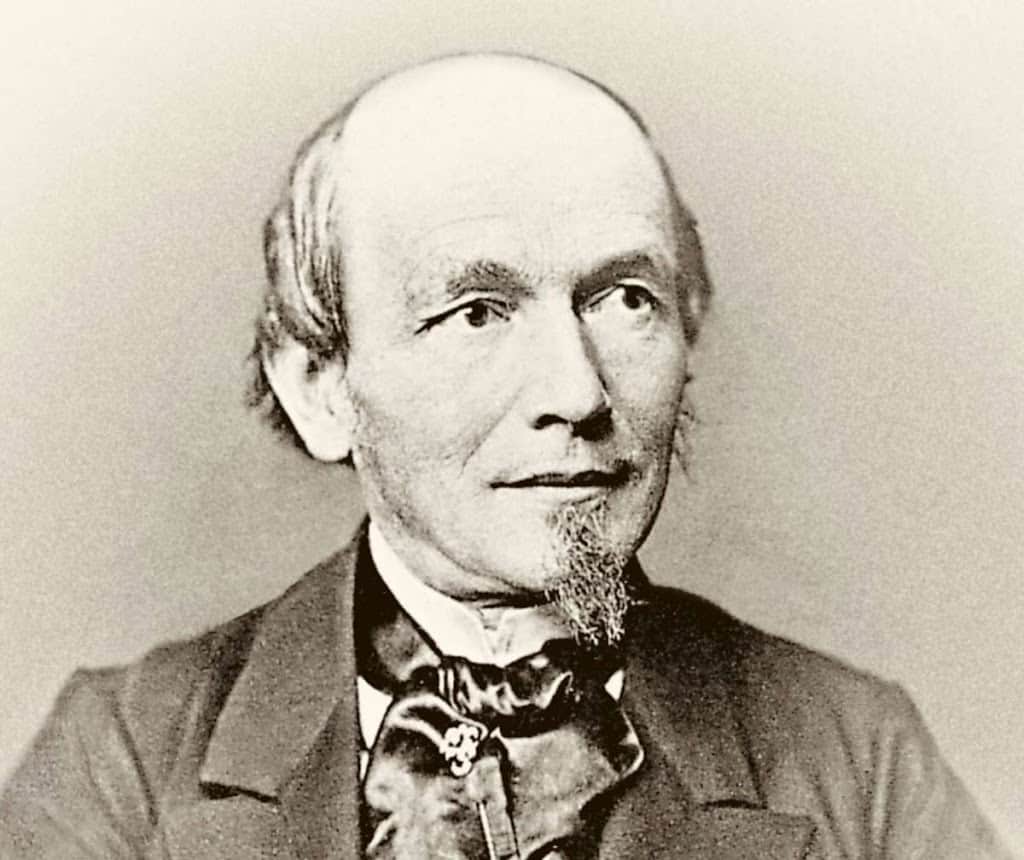
The Greatest Horologists Of Their Time: Ferdinand Adolph Lange (1815-1875)
In this occasional series, we will explore the life and achievements of the greatest and most respected horologists of their time. This feature focuses on Ferdinand Adolph Lange who was born in Dresden, Saxony in 1815. He studied at the Technical Education Institute in Dresden where he met royal watchmaker Johann Christian Friedrich Gutkaes and was apprenticed to him aged 15-years-old.
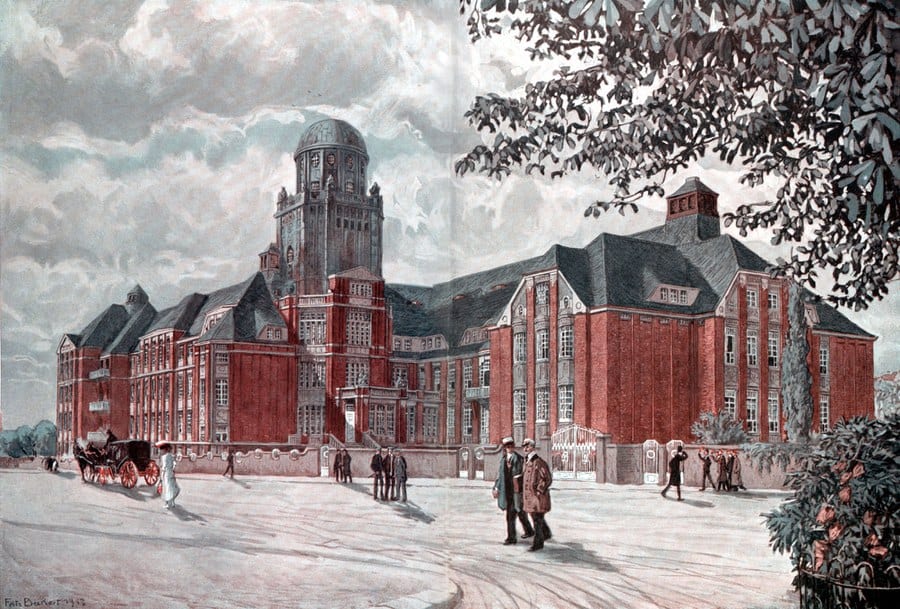
Few individuals have changed the course of watchmaking quite like Ferdinand Adolph Lange. While many great horologists perfected escapements, invented complications or pursued ever-greater precision, Lange achieved something arguably even more remarkable, he created an entire watchmaking industry where none had existed before.
Today, the name A. Lange & Söhne is synonymous with German haute horlogerie. Its exquisitely finished movements, distinctive three-quarter plates and unmistakable design language represent the pinnacle of mechanical watchmaking. Yet behind the modern manufacture lies the extraordinary vision of one man whose ambition extended far beyond producing exceptional watches.
Ferdinand Adolph Lange was not merely a master watchmaker. He was an educator, entrepreneur, engineer and civic leader whose influence continues to shape fine watchmaking almost two centuries after his arrival in the small Saxon town of Glashütte.
Born in Dresden on 18 February 1815, Lange’s early life was far from privileged. Raised by foster parents following the separation of his parents, he nevertheless received an excellent education that would prove invaluable throughout his career. At just fifteen, he began studying at Dresden’s Technical Educational Institute before apprenticing with Johann Christian Friedrich Gutkaes, the Royal Court watchmaker of Saxony. Under Gutkaes, Lange quickly demonstrated exceptional technical ability and an insatiable curiosity for mechanical precision.
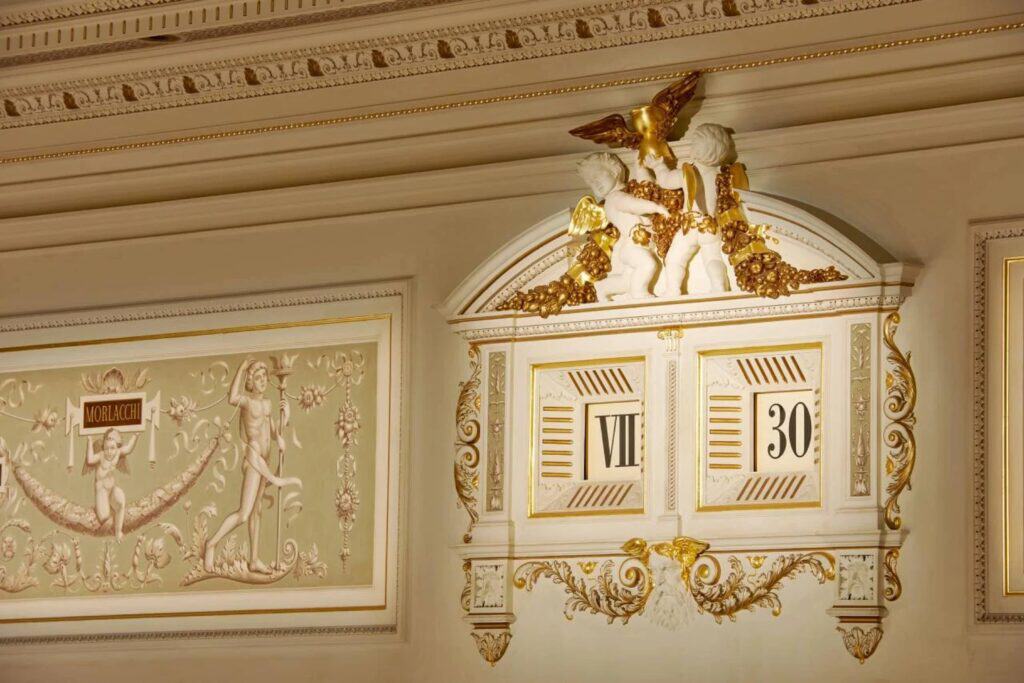
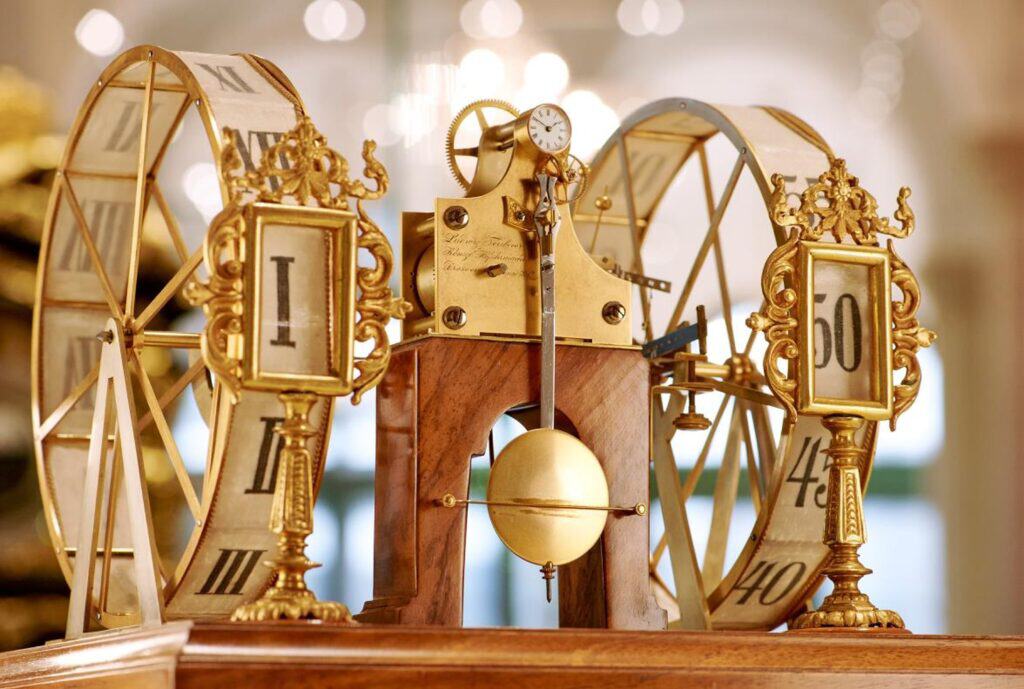
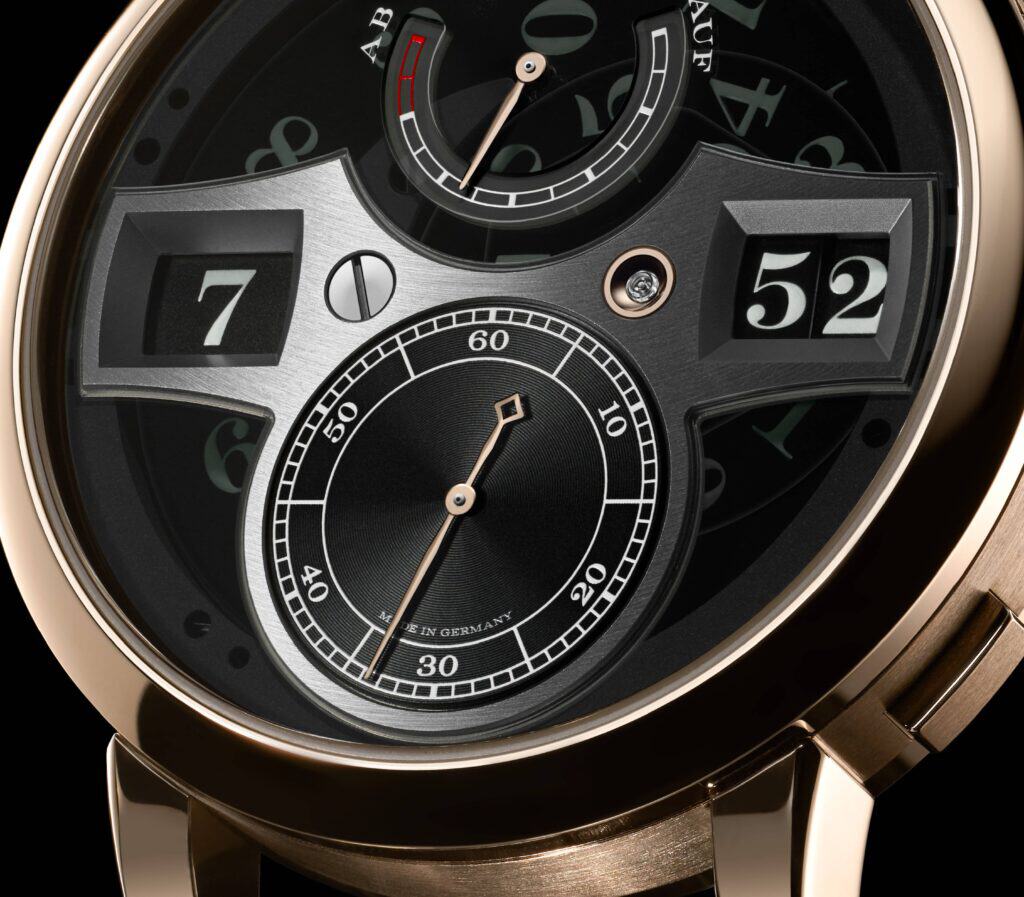
When architect Gottfried Semper designed Dresden’s new opera house, King Frederick Augustus II requested a large auditorium clock to eliminate the distracting chimes of pocket watches during performances. Gutkaes was commissioned to create an innovative timepiece that could be read easily from every seat, displaying the time digitally on two rotating drums positioned high above the stage and advancing every five minutes and every hour. This influenced Lange’s later designs for their Zeitwerk watches.
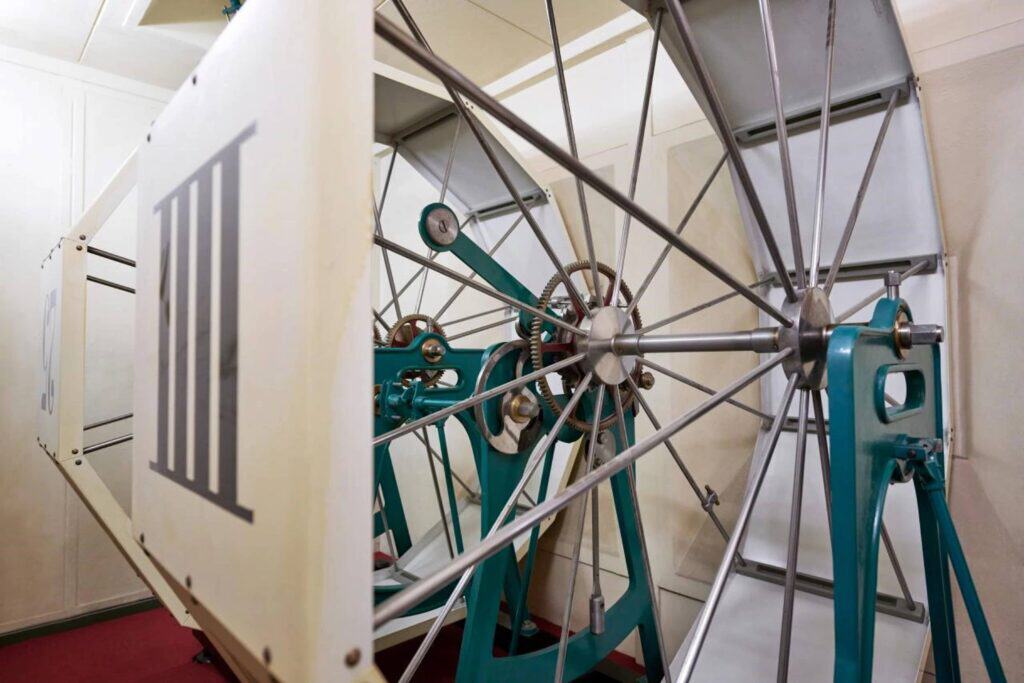
Built in Gutkaes’ workshop with the assistance of his apprentices, including Ferdinand Adolph Lange, the ingenious five-minute clock became a technical masterpiece. Remarkably, despite the Semperoper being destroyed and rebuilt twice since its opening, the iconic clock continues to keep time for audiences today.
Like many ambitious craftsmen of the nineteenth century, Lange embarked on his journeyman travels across Europe after completing his apprenticeship. These years proved transformative. He spent time in Switzerland, England and, perhaps most significantly, Paris, where he worked under the celebrated chronometer maker Joseph Thaddeus Winnerl, himself a pupil of Abraham-Louis Breguet.
Paris exposed Lange to the finest precision watchmaking of the age. Winnerl’s workshop demanded uncompromising standards, and Lange absorbed not only advanced techniques but also an appreciation for industrial organisation, precision measurement and systematic manufacturing. Winnerl reportedly valued him so highly that he offered Lange a permanent position. Yet despite the prestige such an appointment promised, Lange had bigger ambitions. He returned to Saxony with a vision.
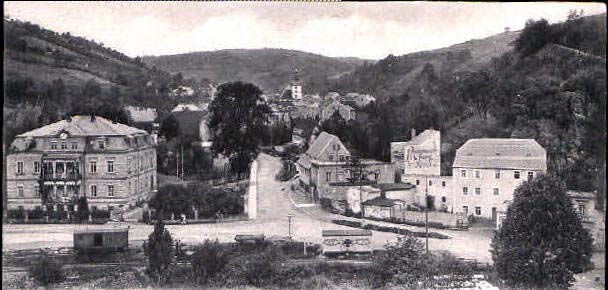
Rather than simply establish another workshop in Dresden, Lange saw an opportunity to transform an impoverished mining community into a centre of precision engineering. Glashütte, nestled in the Ore Mountains south of Dresden, had suffered economic decline following the collapse of local mining. Employment was scarce, and prospects were bleak. Lange believed watchmaking could provide the solution.
In 1845, with financial support from the Saxon government, he established his own workshop in Glashütte. The government loan came with an important condition: Lange would train local apprentices, passing on the specialist skills necessary to build a sustainable industry rather than merely a successful business. That decision changed German horological history forever.
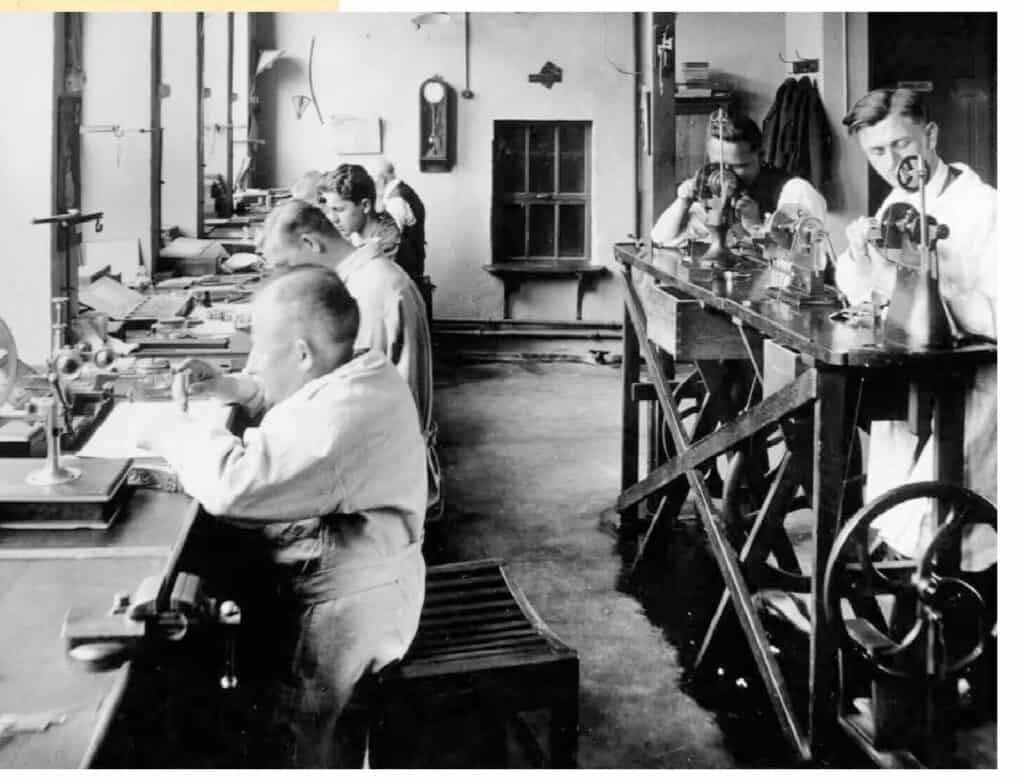
Instead of concentrating expertise within his own factory, Lange actively encouraged the development of specialist suppliers and independent craftsmen. Components were manufactured by dedicated experts, while knowledge was shared across the growing community. This collaborative approach mirrored aspects of Swiss watchmaking but evolved into a distinctly Saxon model built upon precision engineering and rigorous quality standards. Within decades, Glashütte had become Germany’s foremost centre for fine watchmaking.
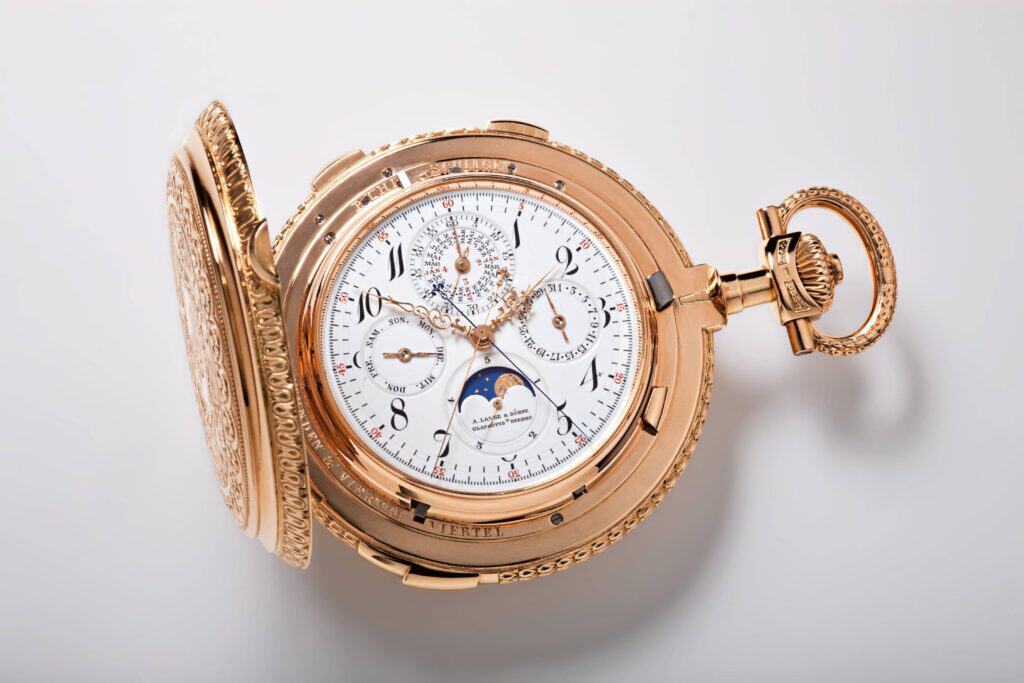
Lange’s technical contributions were equally significant. He believed that precision was impossible without precision manufacturing. To achieve this, he designed improved measuring instruments, developed more accurate production methods and introduced standardised manufacturing techniques that enabled interchangeable components of unprecedented consistency.
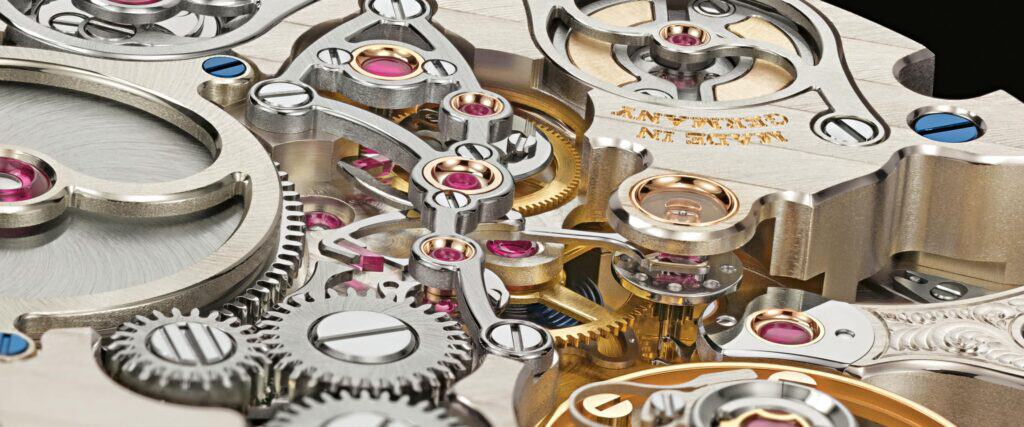
Among his most enduring innovations was the three-quarter plate. Covering much of the movement with a single large plate dramatically improved structural rigidity and enhanced long-term stability. Although conceived as a practical engineering solution, it also became one of the defining visual characteristics of Glashütte watchmaking. Even today, it remains an unmistakable hallmark of A. Lange & Söhne movements.
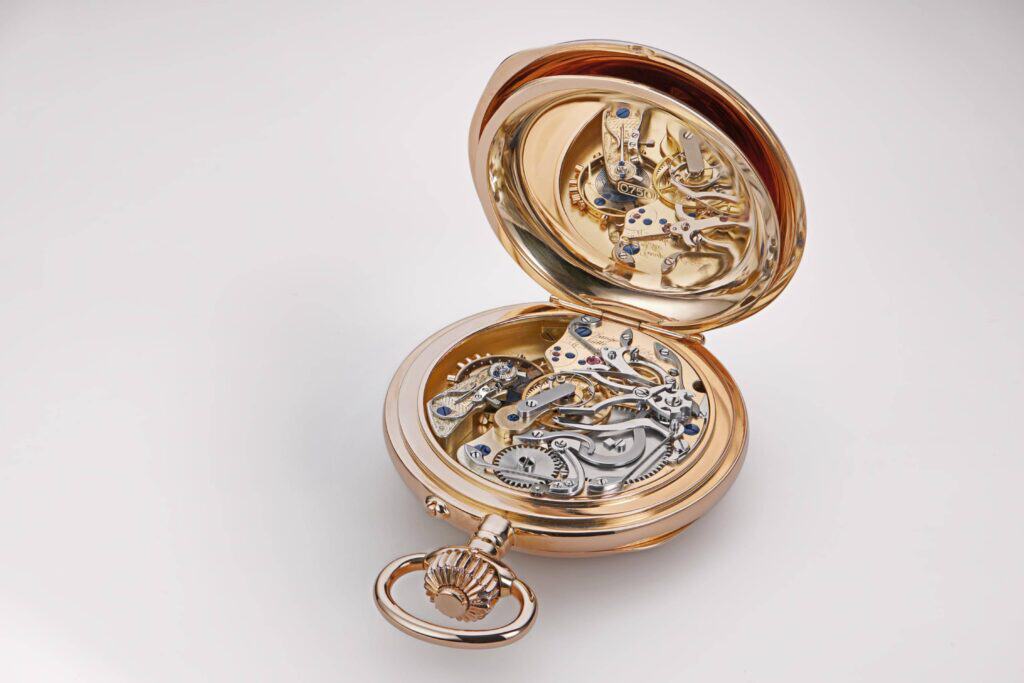
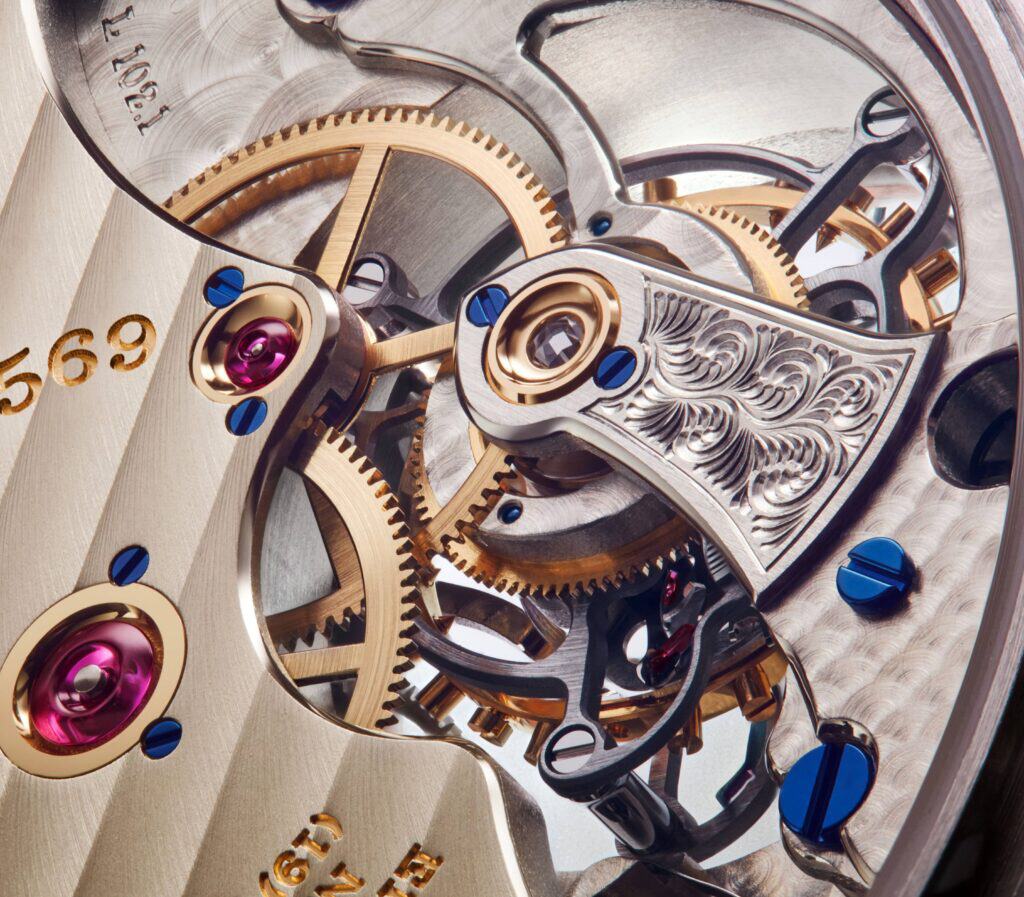
Lange also promoted the use of screwed gold chatons for jewel bearings, carefully arranged gear trains and meticulous hand-finishing that balanced beauty with functionality. Every design decision reflected his belief that engineering excellence and aesthetic refinement should coexist rather than compete. His philosophy anticipated modern luxury watchmaking by more than a century. Yet Lange’s legacy extends well beyond technical innovation.
He understood that great watchmaking depended upon education. Apprentices received comprehensive training rather than repetitive factory tasks, ensuring each generation could surpass the previous one. Many of his students established their own workshops, creating an ecosystem of highly skilled manufacturers that included names such as Moritz Grossmann, Julius Assmann and Adolf Schneider. Rather than fearing competition, Lange welcomed it.
He recognised that raising the overall standard of Glashütte would benefit everyone. His willingness to share expertise created a culture of excellence that remains one of the defining characteristics of German watchmaking today.
His influence also reached into civic life. Lange served as Mayor of Glashütte for nearly two decades while simultaneously representing the region in the Saxon Parliament. During his tenure, infrastructure improved, education expanded and economic development accelerated. His commitment to public service reflected the same long-term thinking that characterised his approach to watchmaking. For Lange, building watches and building communities were inseparable pursuits.
When he died on 3 December 1875, Glashütte had already established itself as Germany’s watchmaking capital. His sons Richard and Emil continued the family business under the name A. Lange & Söhne, further strengthening its international reputation for precision pocket watches that rivalled the finest examples produced anywhere in Europe.
The twentieth century, however, brought enormous challenges. Two World Wars devastated Europe, and following the Second World War the Glashütte factories were nationalised under East German rule. The Lange family business disappeared, seemingly becoming another casualty of history. Remarkably, the story did not end there.
Following German reunification in 1990, Walter Lange, Ferdinand Adolph Lange’s great-grandson, revived A. Lange & Söhne. Combining traditional Saxon craftsmanship with modern engineering, the reborn manufacture rapidly reclaimed its place among the world’s greatest watchmakers.
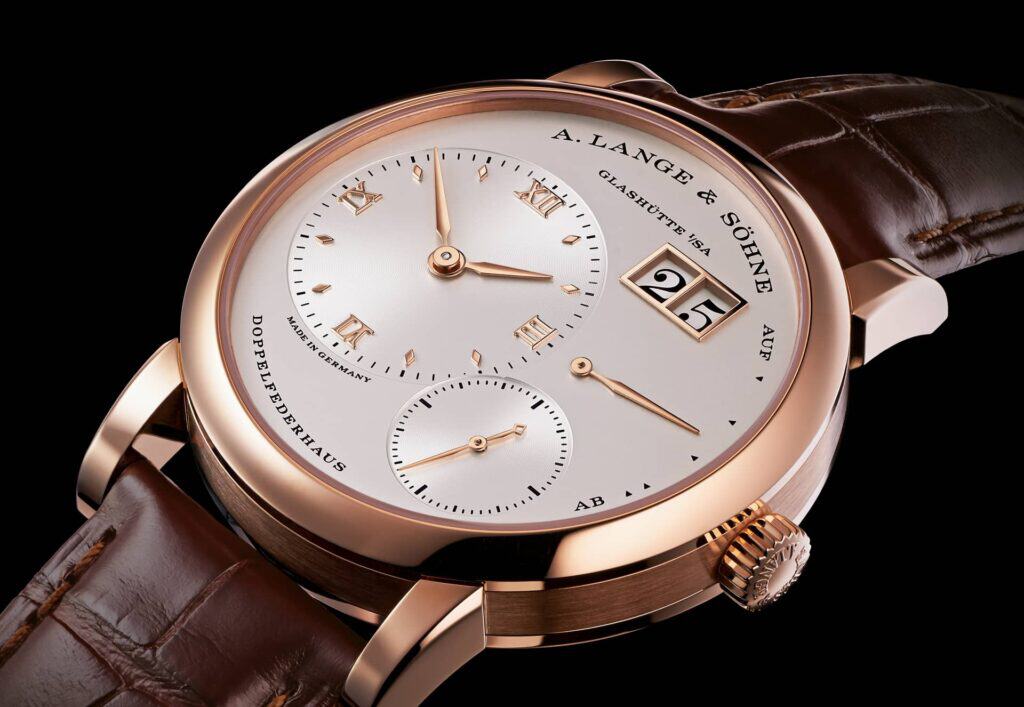
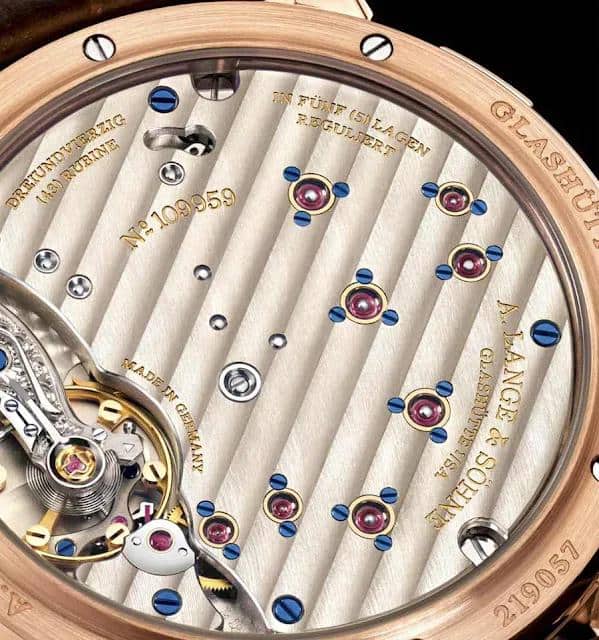
Today’s Lange 1 (above), Datograph and Zeitwerk (below) are celebrated not simply because they are beautifully made, but because they embody principles established by Ferdinand Adolph Lange nearly 180 years ago: uncompromising precision, thoughtful engineering, restrained elegance and absolute dedication to craftsmanship.
His greatest achievement was never a single movement or invention. It was proving that watchmaking could transform lives. By educating generations of craftsmen, creating sustainable industry and insisting that technical excellence should never be compromised, Ferdinand Adolph Lange laid foundations that continue to support one of the world’s finest centres of horology.
Many watchmakers build exceptional timepieces. Only a handful create a lasting legacy. Ferdinand Adolph Lange built an entire tradition.