

What Does ‘British-Made’ Really Mean?
At MrWatchMaster, we believe the future of horology is strengthened through informed discussion, constructive debate and greater transparency.
As British watchmaking continues to flourish, collectors are increasingly interested not only in the watches themselves but also in the stories behind them, where they are designed, manufactured, assembled and finished.
The British Bench is a new independent initiative seeking to document those stories and develop a framework to help explain provenance within the modern British watch industry. While MrWatchMaster is not endorsing any particular methodology, we believe the questions it raises are both timely and important. We invited founder Stephen O’Connor to share the thinking behind the project, his aspirations for greater transparency, and his perspective on what modern British watchmaking means today.
Whether you agree with every aspect of the proposed framework or not, we hope this feature encourages thoughtful conversation about one of the most fascinating and rapidly evolving sectors of contemporary horology.
A Conversation with Stephen O’Connor, Founder of The British Bench

Stephen O’Connor, is the founder and editor of The British Bench. By day, he works in the IT sector, and previously served in the Armed Forces from 2001 to 2006. His interest in watches became more serious relatively recently, with the Tissot PRX being the watch that first drew him further into the world of horology.
He enjoys watches of all kinds because each serves a different purpose. When he decided his next watch should be British, he was struck by the disparity and inconsistency of the information available. That frustration, combined with his enjoyment of building websites, led him to create The British Bench.
Stephen is self-taught and came to the watch industry from outside traditional horology. He approaches the project as a collector and researcher, driven by curiosity, attention to detail and a certain amount of stubbornness. His aim is to make British watchmaking easier to understand.
MWM: What inspired you to establish The British Bench, and what gap did you feel existed within British watchmaking?
SO’C: The idea began with a fairly ordinary personal experience. I was looking to buy my next watch and had decided that I wanted it to be British, partly because I am British myself and wanted to support British watchmaking.
I was not necessarily looking for a watch made entirely in Britain. I was looking for something within my budget that had a meaningful British element and a story I could understand. However, when I began researching brands, I found it surprisingly difficult to compare them.
Terms such as “British watch”, “British-designed”, “assembled in Britain” and “British-made” were often used in different ways. One company might design its watches in Britain but manufacture them overseas, another might assemble and test imported components here, while another might manufacture components or carry out substantial movement work domestically. All of those business models can be legitimate, but the differences were not always easy to see.
The information was also fragmented. It might be spread across interviews, press releases, technical pages, social media posts and individual product descriptions. There was no straightforward place where a collector could see who the British makers were, what they produced and where the different parts of the work were actually carried out.
The British Bench grew from that experience. I wanted to build the resource I had been looking for: an accessible, evidence-led directory that helps people discover British watchmakers while giving them a clearer understanding of the contribution made in Britain.
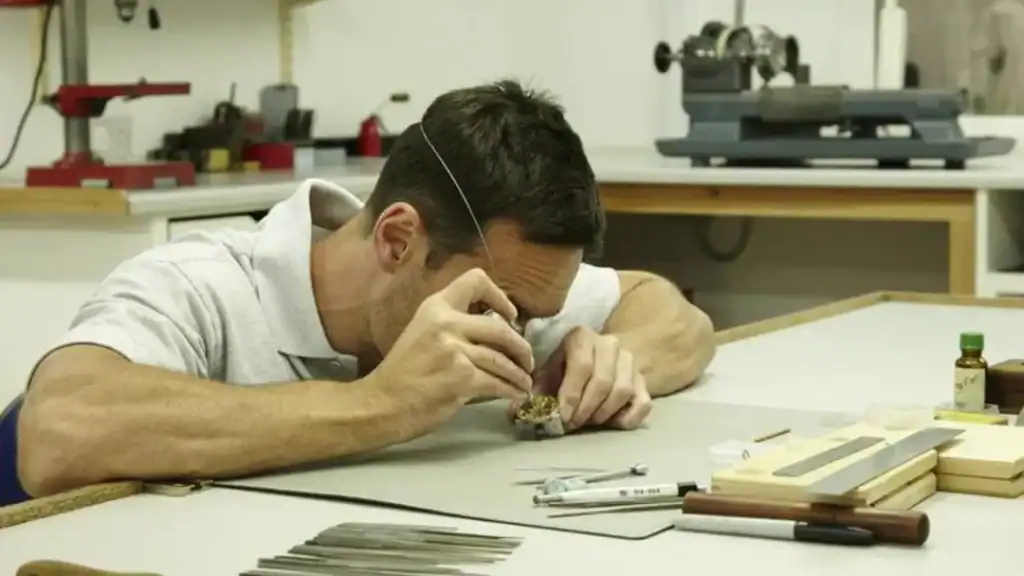
MWM: Why do you believe provenance has become such an important consideration for collectors and enthusiasts today?
SO’C: Collectors increasingly want to understand the people, skills and processes behind the objects they buy. A watch is not simply a specification sheet or a logo on a dial. Its design, manufacturing, assembly, finishing, regulation and testing all form part of its story.
That matters particularly in independent watchmaking, where buyers often choose a watch because they feel connected to the maker, the place or the philosophy behind it. When someone pays a premium for a British watch, they may reasonably want to know what the British element consists of.
Provenance does not determine whether a watch is good. A watch made through an international supply chain can be beautifully designed, well manufactured and excellent value. Equally, a watch involving substantial British work is not automatically superior. The issue is clarity rather than judgement.
Modern watchmaking is international by nature. Components, movements and specialist expertise often cross borders, and there is nothing inherently wrong with that. Problems arise when broad national language hides rather than explains that complexity.
Clearer provenance allows collectors to make decisions according to their own priorities. One buyer may value British design, another may want domestic assembly and regulation, while another may specifically seek British-made components or movement work. The role of The British Bench is to make those distinctions easier to understand, not to tell people which model they should value most.
MWM: One concern with any framework is that it could be perceived as creating a hierarchy of brands. How have you approached this challenge, and how do you hope collectors will interpret the framework?
SO’C: This has been one of the most important and difficult issues throughout the development of the framework.
A tier system naturally looks hierarchical, even when that is not its purpose. For that reason, the methodology must repeatedly make clear that the tiers describe provenance and the extent of work carried out in Britain. They are not scores for quality, desirability, prestige, originality or value.
A brand using trusted international specialists may produce a better watch than a business carrying out more work domestically. A lower provenance tier does not mean lower quality, and a higher tier does not guarantee that a watch is better designed, more reliable or better value.
The framework is intended to answer a limited question: what work takes place in Britain, and what evidence supports that description?
I have also tried to avoid reducing a company to one permanent label. Production arrangements can differ between collections and individual models. A maker may assemble one range in Britain while another is manufactured more extensively overseas. The platform therefore needs to document the production journey at the most appropriate level rather than assume that every watch carrying the same brand name is made in exactly the same way.
I hope collectors will view the framework as a guide to reading provenance, not as a league table. It should sit alongside the broader story of each maker: its design language, innovation, craftsmanship, reliability, value and the people behind it.
The framework is still being revised for precisely this reason. It needs scrutiny from makers, practising watchmakers, journalists and collectors before it can be considered mature. The British Bench should not appoint itself as an unquestionable authority. Any credibility it develops must come from transparent definitions, visible evidence, fair corrections and a willingness to improve.

MWM: In your view, what defines a modern British watchmaker? Can a brand that designs and develops its watches in Britain while manufacturing internationally still be considered authentically British?
SO’C: Yes, I believe it can.
There is more to British identity than manufacturing every component within Britain. The original idea, design philosophy, engineering decisions, brand culture and creative direction may all be genuinely British. A company can work responsibly with international manufacturers while still making a meaningful contribution to British watchmaking.
The important point is that the language used should reflect the work accurately.
A British-designed watch manufactured internationally can still be an authentic British product, provided that its production story is described honestly. It should not need to imitate a fully domestic manufacturing model in order to have value or legitimacy.
At the same time, I think it is useful to distinguish between a British watch brand and a business carrying out substantial watchmaking activity in Britain. Terms such as design, assembly, finishing, regulation, testing, component manufacture and movement work should not be treated as interchangeable.
Modern British watchmaking is broad. It includes individual artisans, workshops manufacturing components, companies assembling and regulating watches in Britain, design-led brands working with overseas specialists and businesses gradually bringing more capabilities into the country.
I do not think The British Bench should decide who is “British enough”. Its role is to document the nature of the British contribution clearly enough that readers can reach their own informed conclusions.

MWM: Throughout your research, what have been the biggest surprises or misconceptions you have uncovered about British watchmaking?
SO’C: One of the biggest surprises has been the sheer variety within the sector. “British watchmaking” is sometimes discussed as though it describes one production model, but in reality it covers a wide spectrum.
At one end are highly specialised makers carrying out substantial component manufacture, finishing or movement work. Elsewhere are companies assembling, regulating and testing watches in Britain from internationally sourced components. There are also design-led brands whose main contribution is creative direction, engineering and product development.
Another surprise has been how difficult it can be to establish apparently simple details. Information is often scattered across product pages, interviews, videos and historical press coverage. Even when a company is transparent, it may use terminology differently from another maker.
A recurring misconception is that assembly, regulation, testing and manufacture mean the same thing. They are distinct activities. Assembly can itself vary from casing a complete movement to undertaking more involved movement work. Regulation may mean checking and adjusting rate performance, while testing can cover anything from basic functional checks to extended water-resistance, positional or endurance procedures.
I have also learned that a single brand-level description can be misleading. Production arrangements may change over time or differ between collections. Provenance therefore needs to be documented as something that can evolve, rather than treated as a permanent characteristic of a company.
Perhaps the broadest misconception is that using international suppliers somehow disqualifies a brand from being British. That is not the position of The British Bench. International collaboration is normal across the watch industry. The real question is whether the contribution made in Britain is communicated clearly and supported by reasonable evidence.
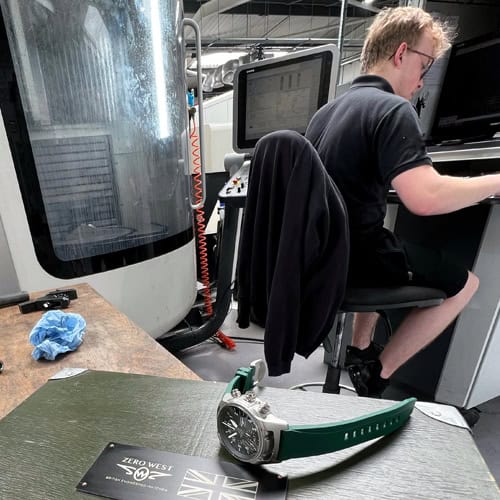
MWM: Looking ahead, what is your long-term vision for The British Bench, and what impact do you hope it will have on collectors, brands and the wider British horological community?
SO’C: My immediate aim is to build the most useful and transparent independent directory of British watchmakers possible. That means adding more makers and collections, improving the depth of production information, strengthening sourcing and giving brands a fair opportunity to correct or clarify their records.
Over time, I would like The British Bench to become a trusted reference point for collectors, journalists and the industry. I hope it can help people discover companies they may never otherwise encounter and understand the differences between British design, assembly, regulation, component manufacture and more extensive domestic watchmaking.
I would also like the platform to provide practical tools for makers. One idea is a guided process that helps a company document its own technical specifications, production stages and supporting evidence. That could make disclosure easier, particularly for smaller businesses without large technical or communications teams.
The provenance framework may eventually become a widely used reference, but I do not want to assume or declare that outcome. Recognition would have to be earned through consultation, accuracy, transparency and continued improvement.
More broadly, I hope The British Bench encourages people to take British watchmaking more seriously. Britain has a remarkable horological history, but the modern sector should not be viewed only through its past. There are established companies, independent makers, designers, engineers and workshops building something important now.
I hope the platform encourages collectors to invest in British watches, helps direct attention towards the skills and businesses operating here and gives makers a reason to explain their work more openly.
Finally, I hope it encourages more people to become interested in horology itself. That could begin with buying a first mechanical watch, learning how a movement works, attempting a personal watch build or considering watchmaking as a career. A directory alone cannot rebuild an industry, but it can help make the people, skills and opportunities within it more visible.
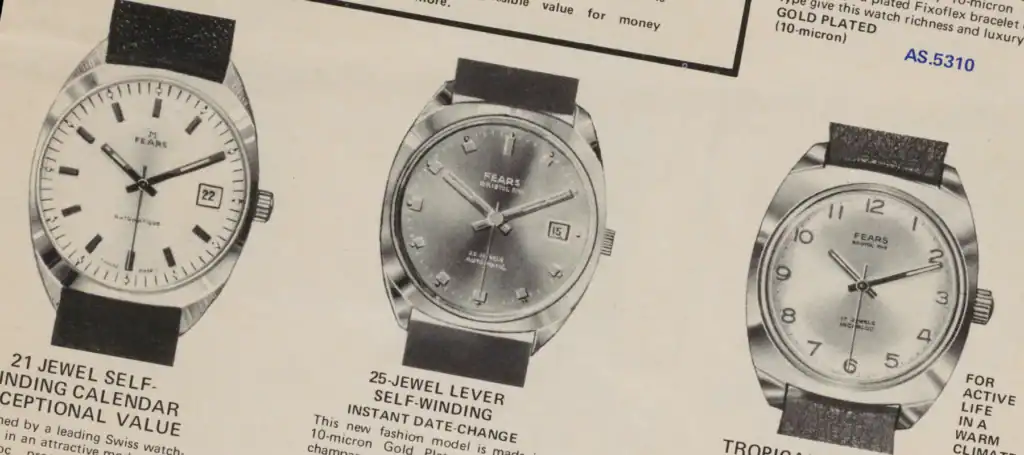
As Britain’s modern watchmaking renaissance continues, transparency may prove just as valuable as tradition. For collectors, understanding a watch’s story has become an integral part of appreciating the watch itself, and at MrWatchMaster we believe that conversation will continue to develop over time and become increasingly important.
Hero Image: Roger W. Smith workshop, Isle of Man. Image courtesy of Roger W. Smith
For more information please visit The British Bench