
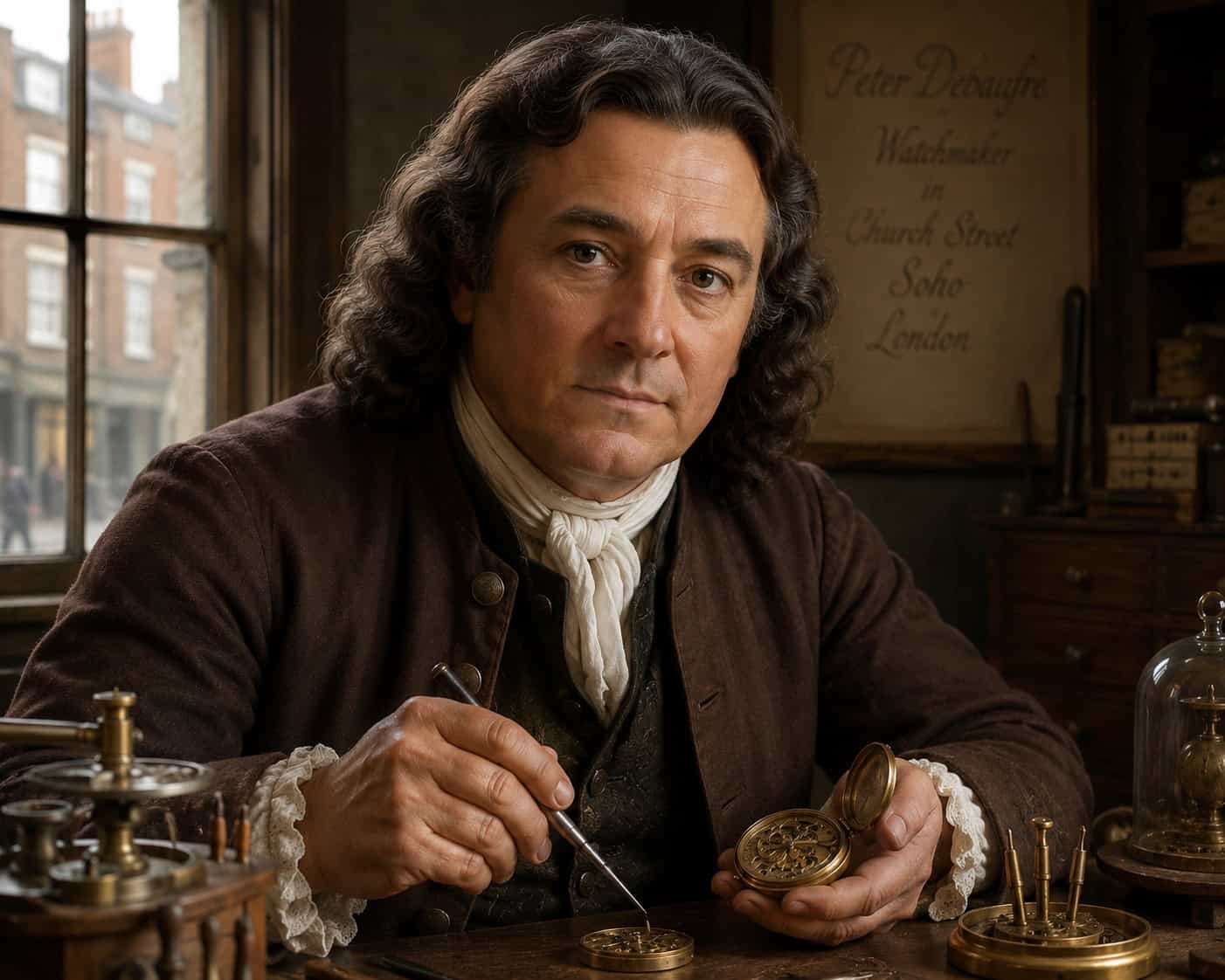
Huguenot Masters Of Their Time: Peter Debaufre (1675-c.1730)
This occasional series explores the enduring legacy of Huguenot craftsmanship, and innovation, celebrating the artisans, who first came to London in the 17th century, and whose influence helped shape the art of fine watchmaking and precision engineering. From intricate techniques passed down through generations to bold contributions that transformed craftsmanship, this series shines a light on a remarkable community of makers whose work still resonates today.
Among the Huguenot craftsmen who settled in London during the late 17th century, Peter Debaufre stands out as one of the most inventive. A gifted watchmaker, experimenter and entrepreneur, Debaufre was at the centre of a remarkable period of horological development, when makers were beginning to look beyond traditional construction in their search for greater precision and reliability.
Peter Debaufre was born in Paris in 1675 with details of his early life remaining elusive. By the late 1680s he had established himself in London, part of the substantial Huguenot community that had grown following the persecution of French Protestants and the Revocation of the Edict of Nantes in 1685. By 1689 he had been admitted as a Brother of the Worshipful Company of Clockmakers.
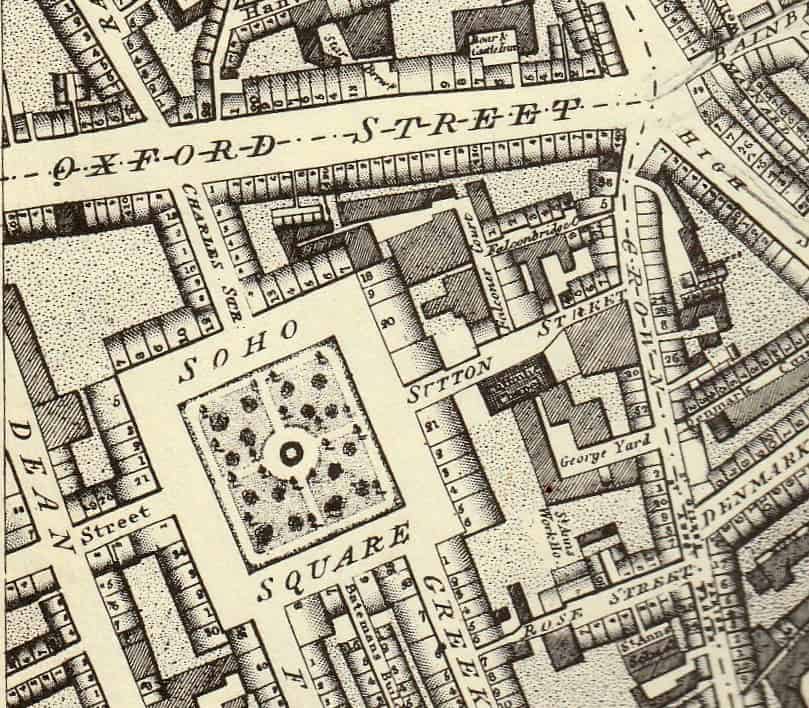
His workshop was in Church Street, Soho, an area that became an important centre for Huguenot craftsmen. Here, Debaufre developed a reputation for highly accomplished watchmaking and became associated with some of the most significant technical experiments in English horology at the turn of the 18th century.
Precision through innovation
One of Debaufre’s most important contributions was his work on the verge escapement. Around 1700 he is credited with developing what became known as the club-footed or double-wheel dead-beat verge escapement, an ingenious attempt to reduce the recoil inherent in the conventional verge system. The Antiquarian Horological Society places the development of the escapement at approximately 1700.
The significance of this work should not be underestimated. The verge had been the dominant escapement in portable clocks and watches for generations, but it was inherently limited in its ability to deliver highly accurate timekeeping. Debaufre’s experiments represented an attempt to extract greater precision from a fundamentally established technology.
His work also brought him into contact with one of the most remarkable scientific minds of the age, Nicolas Fatio de Duillier.
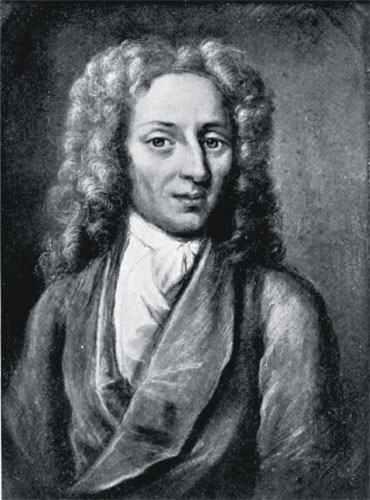
Fatio, a Swiss mathematician and Fellow of the Royal Society, had been investigating the use of pierced gemstones as low-friction bearings. In 1693, a watch incorporating Fatio’s spiral balance spring was made by Peter and Jacob Debaufre, bringing together scientific experimentation and practical watchmaking in a particularly important collaboration.
The jewel-bearing patent
The partnership between Fatio and the Debaufre brothers reached a significant point in 1704, when Peter Debaufre, his brother Jacob and Fatio obtained English Patent No. 371 for an invention involving the working and use of precious and other stones in clock and watch work.
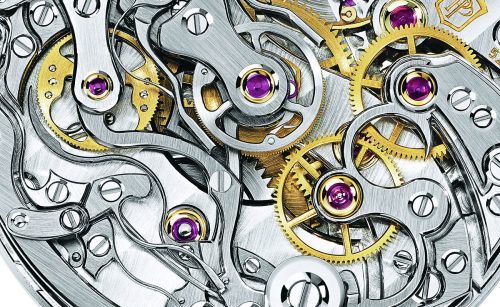
The principle was revolutionary in its implications. Instead of allowing the pivots of a movement to run directly in metal, carefully prepared gemstones could provide extremely hard, durable and low-friction bearing surfaces. This promised reduced wear and improved the long-term performance of a watch. The patent described the use of stones not merely as decoration but as an internal and functional component of the mechanism.
The innovation was not universally welcomed. The Worshipful Company of Clockmakers opposed attempts by the patentees to extend their monopoly, and the proposed extension was ultimately defeated. The Company even produced evidence of an earlier watch containing a stone bearing, challenging the novelty of the invention.
Nevertheless, the Debaufres were sufficiently confident in their achievement to advertise jewelled watches from their Soho premises in 1704.
The significance of the episode extends far beyond the patent itself. Jewelled bearings would eventually become fundamental to precision mechanical watchmaking, although their widespread adoption lay many decades in the future.
A watch fit for Newton
Debaufre’s reputation was considerable. Among those said to have owned or carried one of his watches was Sir Isaac Newton, whose interest in mechanical precision and scientific instruments needs little introduction.
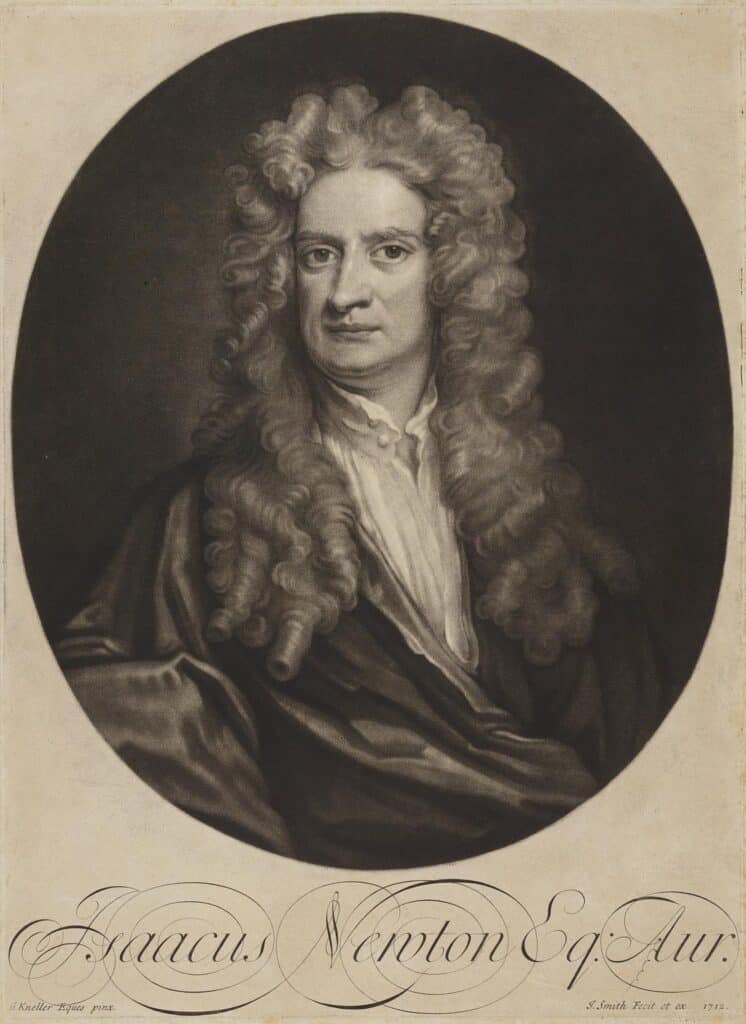
The association is particularly appropriate. Newton and Fatio were already connected through the Royal Society and their shared scientific interests, while Fatio’s horological experiments had brought him directly into collaboration with the Debaufre brothers. Contemporary and later horological sources record that Newton carried a Debaufre watch.
Whether Newton’s watch survives today is uncertain, but the story provides a fascinating illustration of the esteem in which Debaufre’s work was held.
Surviving watches
One of the most important surviving examples is the verge watch by Peter Debaufre in the Clockmakers’ Museum, now displayed at the Science Museum in London. Signed Peter Debaufre London on the backplate, the watch dates to around 1700.
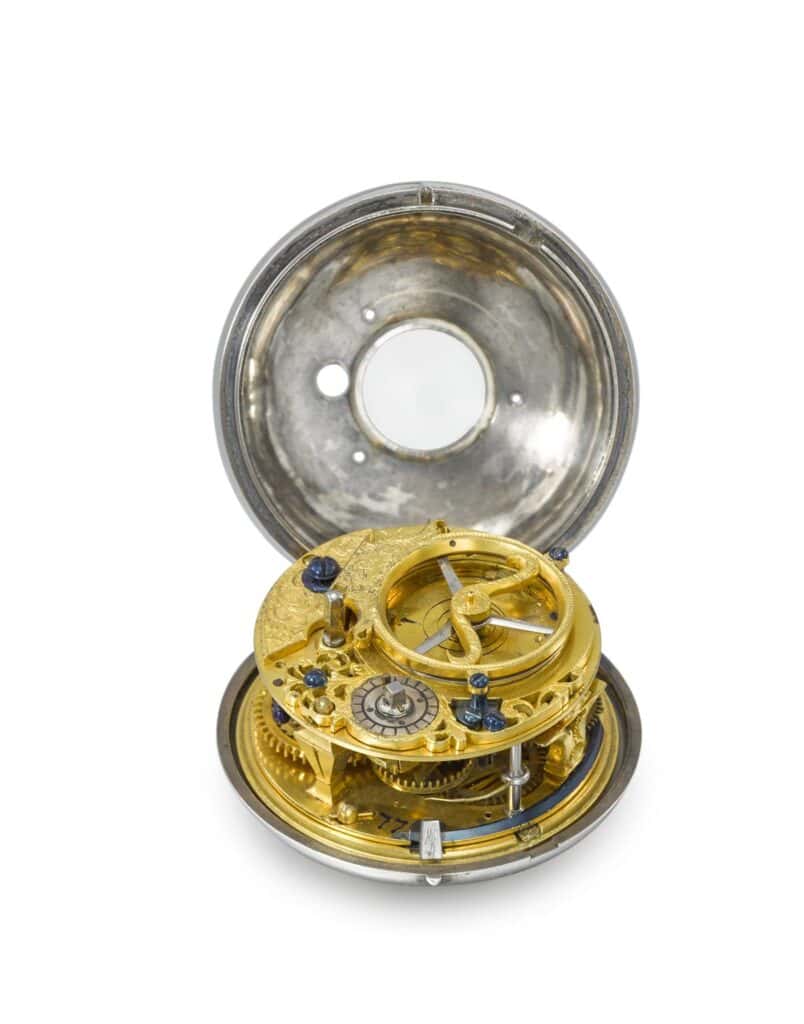
The watch is particularly interesting because its present escapement is not entirely representative of Debaufre’s original work. It incorporates a sophisticated pirouette, in which the balance is mounted on a separate arbor and geared to the verge. The pirouette was added much later, and the Science Museum attributes this modification to the celebrated clockmaker Alexander Cumming in the late 18th century.
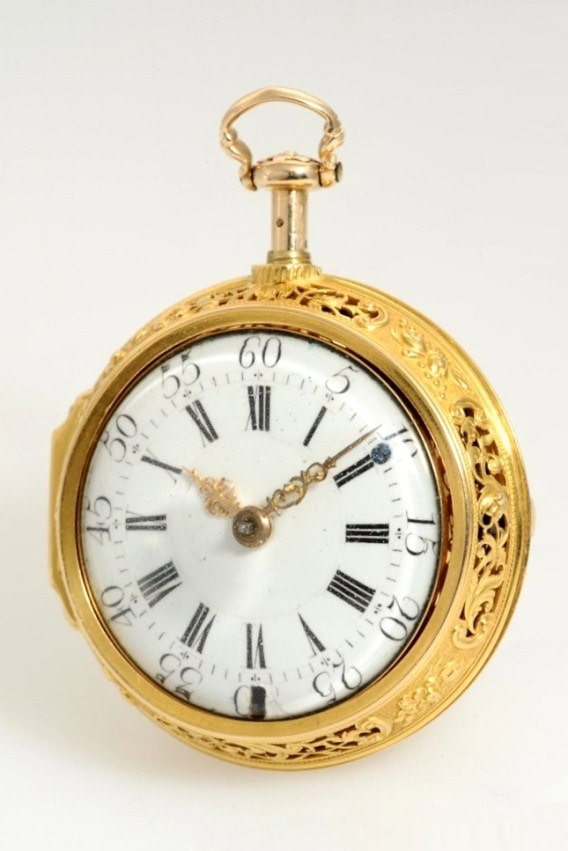
Another remarkable surviving example is a gold, double-cased quarter-repeating verge watch, numbered 1001 and dating from around 1720. Its elaborate repoussé outer case depicts Perseus rescuing Andromeda, while the movement has a full-plate construction, fusee and chain, repeating mechanism and finely pierced and engraved balance cock. (watch-wiki.org)
A further important Debaufre watch is associated with the development of Fatio’s spiral balance spring. In 1693, Fatio introduced a watch incorporating his spring balance, made by Peter and Jacob Debaufre. This collaboration represents an important moment in the transition towards the more sophisticated regulation of portable timekeepers.
A Huguenot legacy
Debaufre’s story is therefore about more than individual watches. It represents the extraordinary contribution made by Huguenot refugees to British craftsmanship.
The Huguenots brought with them specialist skills, established traditions of precision workmanship and a willingness to experiment. In London, these skills came into contact with Britain’s developing scientific culture and its increasingly sophisticated demand for instruments capable of measuring time with greater accuracy.
Debaufre occupied an important position at this intersection. He was a craftsman capable of turning scientific ideas into practical mechanisms, while his association with Fatio demonstrates the close relationship that existed between experimental science and horological manufacture.
His work on escapements, his involvement in the development of jewelled bearings and his collaboration with Fatio place him among the most interesting English watchmakers of the early 18th century.
Peter Debaufre died in London around 1730, leaving behind relatively few securely identified watches but a technological legacy considerably greater than the number of surviving objects might suggest.
His career reminds us that horological history is not simply a story of famous names and celebrated brands. It is also a history of craftsmen who questioned established practice, experimented with new ideas and helped lay the foundations for the precision mechanical watch.
Hero Image: Artist impression © MrWatchMaster
Peter Debaufre was one such master and a true Huguenot Master of His Time.