
Five Mistakes People Make When Selling An Inherited Luxury Watch
By Ben Steele
Most people who bring me an inherited watch have never sold one before, and many are dealing with a loss at the same time. They are trying to do the right thing, and that is often when the avoidable mistakes happen: they rush the sale, or they try to improve the watch first.
There are five I see regularly: relying on the insurance valuation, letting the box, papers and spare links drift apart, not checking whether the watch runs, paying for work before selling, and taking its authenticity for granted. I’m Ben Steele, I own Watch Boutique, and I’ve bought pre-owned luxury watches in the UK for over 10 years. These are the mistakes I come across as a buyer.
1. Treating the insurance valuation as the price
Plenty of inherited watches arrive with an insurance valuation in the box, and the figure on it tends to become the number the family has in mind. It answers a different question. The National Association of Jewellers’ guide to insuring watches describes a valuation as the replacement value for insurance purposes, the cost of putting you back where you were if the watch were lost. It also recommends revaluing at least every three years, so a document that has sat in a drawer for longer may be out of date.
In my experience a lot of these valuations are based on what a newer model costs today, so they can sit well above what a pre-owned watch will fetch. That tells you little about what a buyer will pay for your particular watch, so I’d treat an old valuation as a starting point for a conversation, not a price.
If the watch is part of an estate, GOV.UK’s guidance on estimating an estate’s value asks you to work out what an item such as jewellery would have fetched if it had been sold. That is a different question again from the cost of replacing it. I can’t advise on estates, so ask the executor or a solicitor how that applies to you.
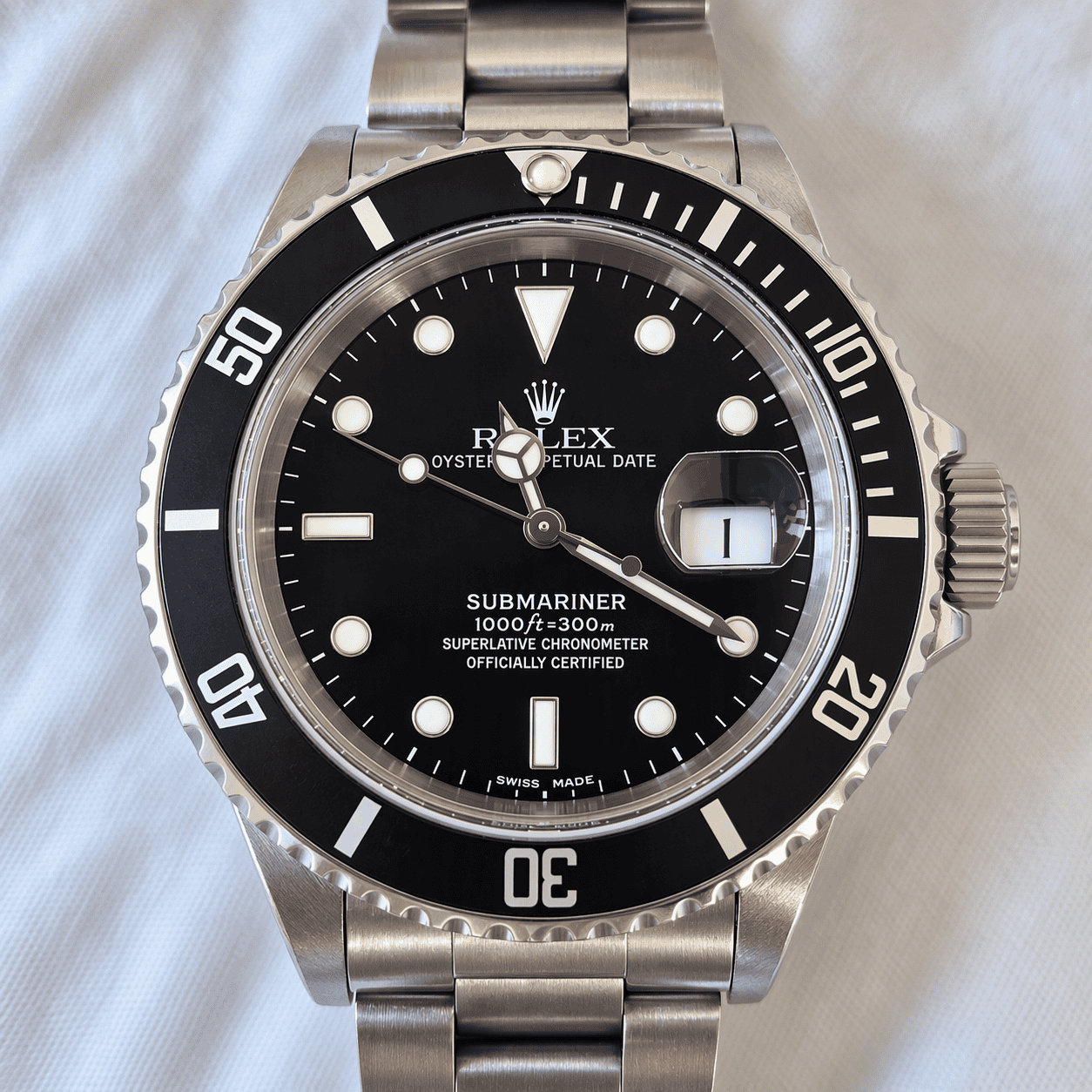
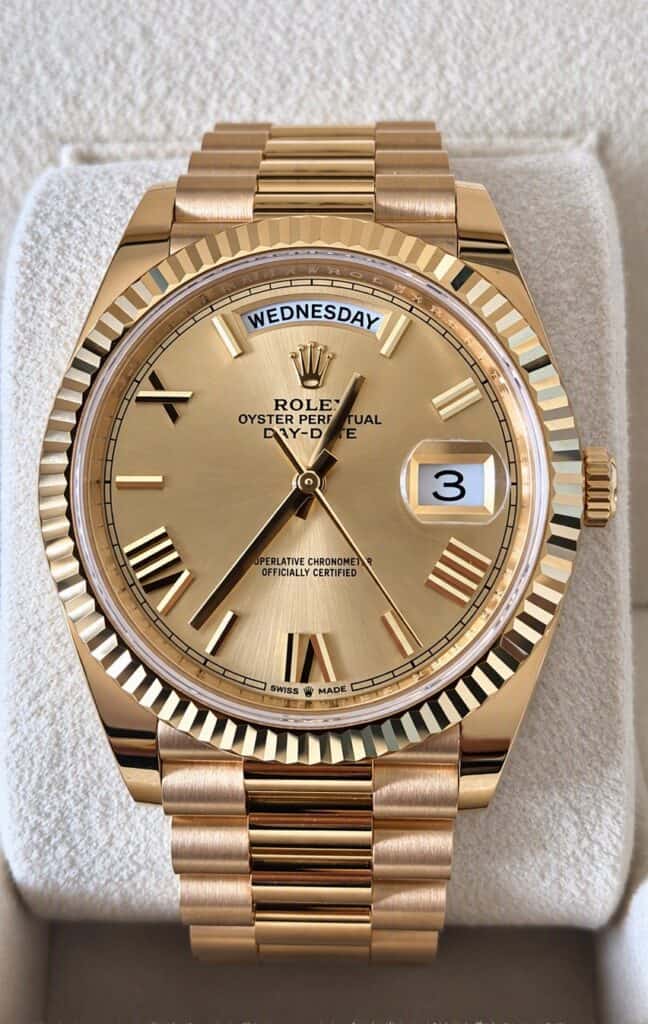
The same applies whether the watch is a Rolex, an Omega or a Cartier. If yours is a Rolex, Watch Boutique’s notes on valuing an inherited Rolex cover what a specialist buyer looks at, with or without the original papers.
2. Letting the box, papers and spare links drift apart
Keep the watch, the box, the papers and any spare bracelet links together, and bring them all at once.
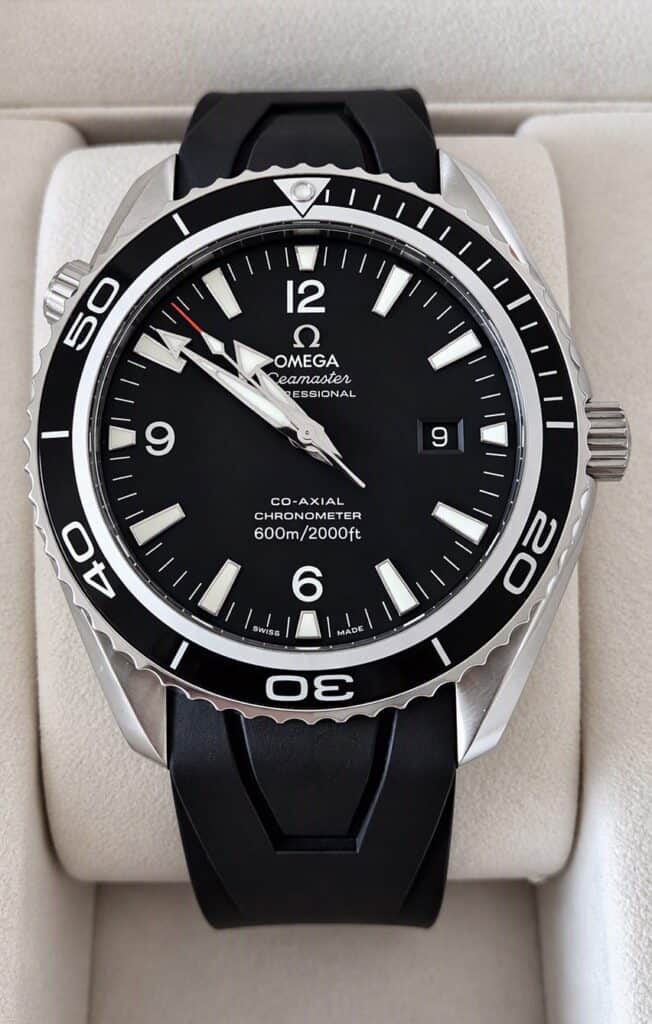
A woman came to see me not long ago with an Omega she had inherited from a relative who had died. We had spoken on the phone beforehand, so I knew the watch was in good condition and that she had the box and papers. When we met, she had left the spare bracelet links at home. She was keen to sell that day, and I explained that the missing links would affect the valuation. She went ahead there and then. I think she might have had a little more for it if she had brought everything together.
It’s a very easy thing to forget. Spare links tend to live in a drawer or a separate bag, and almost everyone who forgets something forgets those. I can only buy what I can see in front of me. Gather the box, the papers, the links and anything else that came with the watch before you meet a buyer. Check too that the serial number on the papers matches the one on the watch. If it doesn’t, you want to know before you travel, not at the table.
3. Not finding out whether it runs
A watch that isn’t ticking leaves any buyer guessing. It might be a flat battery, which is a tiny fix, or a fault in the movement, and from the outside I can’t tell which. Because of that, the offer has to allow for the worst case. I see perfectly good quartz watches that have simply run out of battery, and a lower offer because of it.
If the watch is battery-powered, a new battery before you ask for a valuation is the cheapest way to improve your offer. A local watch-battery shop can do it for about £5. I’ve heard of Omega owners being charged around £150 for a battery and reseal, and TAG Heuer owners around £100. Those are figures I’ve heard, not official prices, and a reseal is a separate job from proving the watch runs. You don’t need a brand service to find out whether it works. A mechanical watch has no battery to blame, so there the point is simply to know that it runs.
4. Paying to improve it before you sell
A missing, generic or worn strap will lower the offer on any luxury watch I buy. A generic strap counts for no more than no strap at all, so if the watch came without one, don’t buy a cheap strap to help the valuation. A branded one would have to be fitted before resale anyway. An original strap only helps if it’s in good condition. If it’s tired, it has to be replaced, so it adds nothing.
Repairs are the bigger spend. If a new battery doesn’t bring the watch back to life, think twice before paying for a repair. As an example, a manufacturer repair on a quartz Omega movement might cost an owner about £800, where at trade rates the same manufacturer repair would cost no more than around £400. Those are my estimates, not quotes. They vary by manufacturer and by what is wrong: a lighter repair costs less and extensive damage costs more. A watch that doesn’t run can still be sold as it is.
Be careful about who does any work. A repair by anyone other than the manufacturer can leave generic parts inside the watch, and that costs it a lot of its value. A local battery change is fine. Beyond that, leave it alone.
5. Assuming it is genuine
If the papers are there, matching them to the watch is the first check. If it’s the watch alone, make sure it is as authentic as you think it is. Nobody is doubting your family’s watch. It’s simply worth checking.
Photos are the quickest way to find out. Send clear pictures of the dial, the case back, the bracelet or strap and any papers, and I’ll tell you straight away whether it looks right or wrong. That’s a first answer, and I confirm it when I see the watch in person. A serial number check is a strong test, not a perfect one, because good fakes can copy a real serial number. That’s why experience handling the real thing matters.
What to do instead
If you’ve lost someone, I’m sorry. There’s no need to rush. Gather everything that came with the watch, give it a wipe with a cloth so it doesn’t look neglected and, if it’s quartz, put in a new battery. That puts you in the best position to sell. If the battery doesn’t bring it back to life, you can still ask for a valuation as it is, without paying for a repair first.
If you’d like a first opinion, send me photos of the watch and its papers through the Watch Boutique website or on WhatsApp. I’ll tell you what I see and what to do next. Any meeting is by appointment, so you’ll have the chance to talk it through first.
About the author

Ben Steele is the owner of Watch Boutique, a UK buyer of pre-owned luxury watches based in Manchester with an office in Mayfair, London. He values every watch personally, from Rolex, Omega, Breitling and Cartier to Patek Philippe and Audemars Piguet, and has bought watches in the UK trade for over 10 years.