
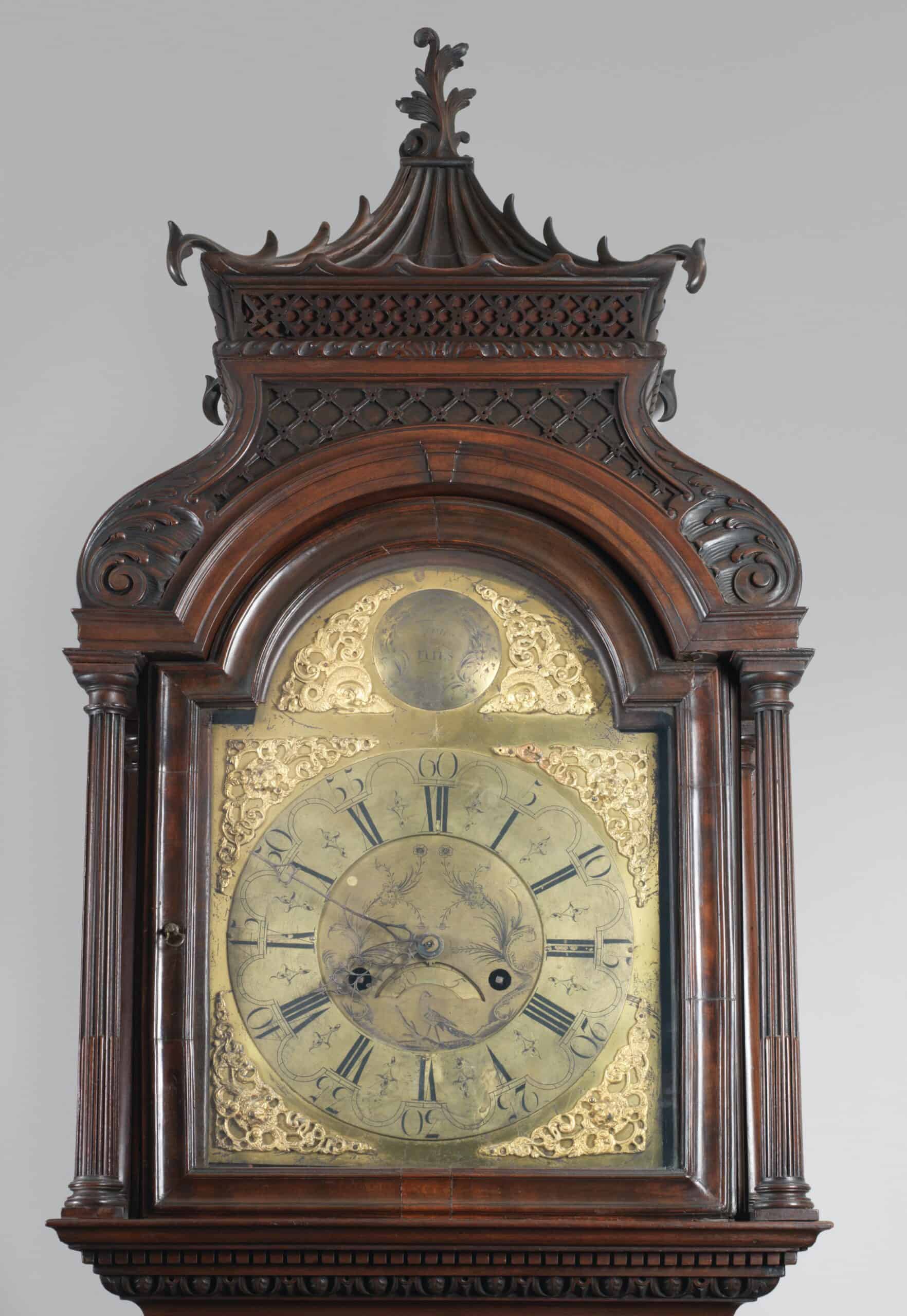
When the Clocks Go Back: Why Time Still Matters
As Britain returns to Greenwich Mean Time, we explore the history behind the changing clocks, the enduring appeal of traditional timekeeping and why mechanical clocks still matter to today’s collectors.
Twice a year, we perform a small ritual that connects millions of people across Britain. In spring, we move our clocks forward; in autumn, we turn them back. For many, it is little more than an opportunity for an extra hour in bed. For those with an interest in horology, however, the changing clocks offer a reminder of something far more fundamental: our relationship with time, and the remarkable ingenuity we have developed to measure it.
On Sunday 25 October 2026, Britain returned to Greenwich Mean Time (GMT), bringing British Summer Time (BST) to an end for another year. The familiar adjustment raises an interesting question. In an age when smartphones, computers and connected watches update themselves automatically, why should we still care about the clocks on our walls, mantelpieces and desks?
For collectors, the answer reaches well beyond telling the time.
A change of time, not a change in time
The modern practice of seasonal clock changes was introduced in Britain in 1916, during the First World War. The objective was to make better use of available daylight by shifting the hours of the day in which people worked and undertook their daily activities.
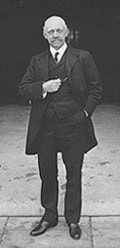
The idea had been championed by British builder William Willett, who argued that valuable daylight was being wasted during the summer months. Although his original proposal was more complicated than the system we use today, the principle eventually became law.
More than a century later, the clocks still change twice a year. Yet it is important to remember that time itself does not change. Britain simply moves between GMT and BST, which is one hour ahead. The underlying international time standard, Coordinated Universal Time (UTC), continues unchanged.
This distinction takes us to the heart of horology. A clock is not time itself; it is a mechanism designed to represent it. From the movement of the Sun across a sundial to the regulated oscillation of a mechanical balance and the extraordinary precision of atomic clocks, each generation has developed new ways to measure something that remains constant in our everyday experience.
From the pendulum to the atomic clock
The history of timekeeping is a story of scientific progress, commercial necessity and human creativity. For centuries, mechanical clocks transformed the way communities organised their lives. The development of increasingly accurate pendulum clocks in the seventeenth century improved timekeeping substantially, while advances in marine chronometry helped navigators determine longitude and travel more safely across the world’s oceans.
Industrialisation brought another transformation. As railways, factories and international commerce expanded, reliable and increasingly standardised time became essential. Local solar time was gradually superseded by coordinated time systems, allowing people and businesses separated by considerable distances to operate to a common schedule.
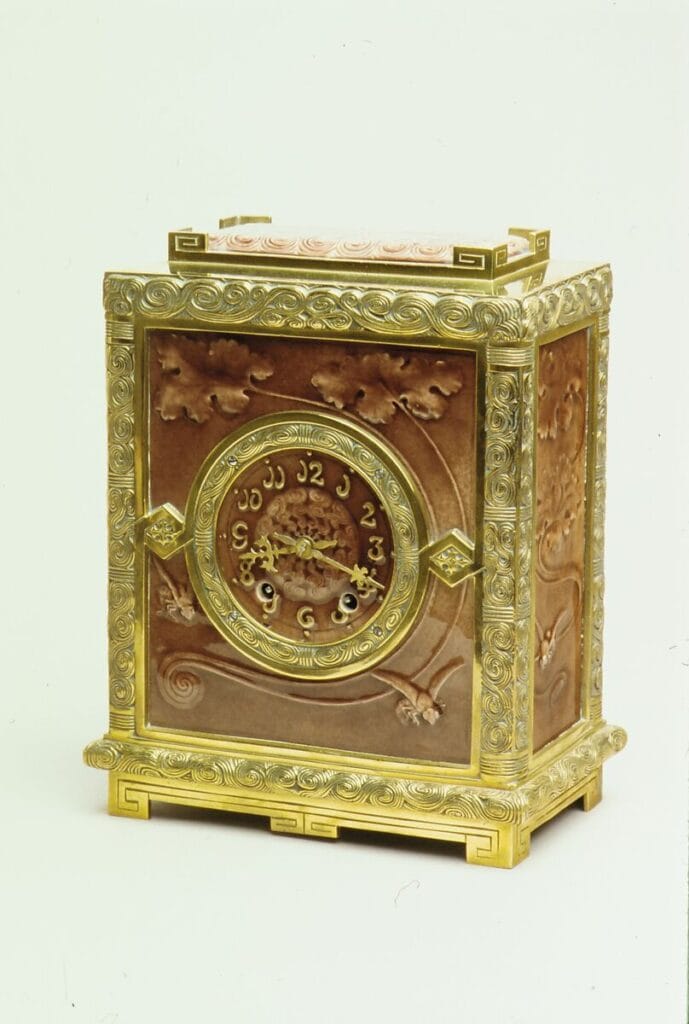
Today, the science behind accurate timekeeping is largely invisible. Atomic clocks underpin the international time standards that support satellite navigation, telecommunications, financial transactions and digital infrastructure. The UK’s National Physical Laboratory contributes to the maintenance of the national time scale.
There is something remarkable about this progression. The same fundamental human need that inspired early clockmakers to build increasingly sophisticated mechanisms now supports technologies on which modern society depends, and yet, despite the extraordinary precision available to us, the traditional clock has not lost its appeal.
Why mechanical clocks still matter
A mechanical clock offers something different from a digital display. Its operation is visible, its components have physical purpose, and its continued performance depends on engineering, adjustment and care.
The escapement, pendulum, wheels and springs are not simply functional parts. They represent accumulated knowledge, practical experimentation and generations of craftsmanship. A well-made clock can also express the artistic and social values of the period in which it was produced, through its dial, case, materials and decorative detail.
For today’s collector, these qualities offer several layers of interest. There is the pleasure of ownership, the challenge of understanding a particular maker or school of clockmaking, and the opportunity to preserve an object that might otherwise be overlooked.
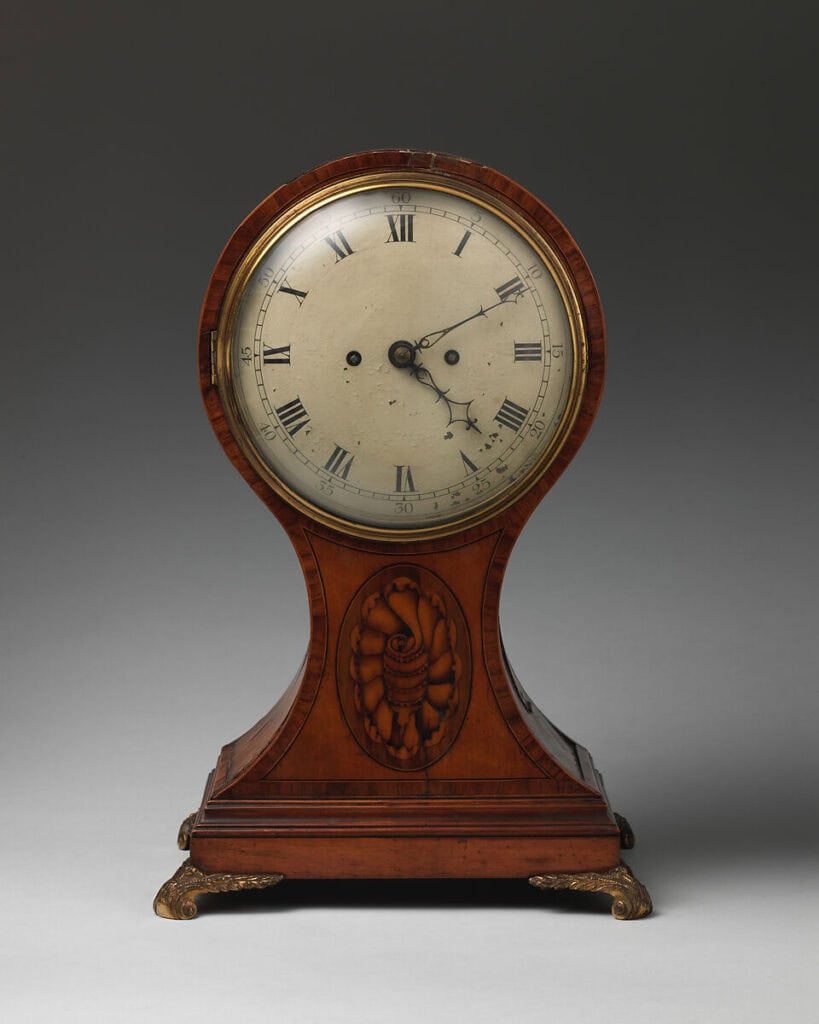
There is also a personal dimension. A clock passed through a family, discovered at auction or acquired after years of searching can carry a history that extends beyond its manufacture. Its significance may lie as much in its provenance and the stories surrounding it as in its technical characteristics.
In a culture increasingly defined by instant information and disposable technology, such objects encourage a different relationship with time: one based on patience, continuity and appreciation.
What should today’s clock collectors look for?
The seasonal clock change is also a useful prompt for collectors to reconnect with the clocks they own and to think carefully about future acquisitions.
Authenticity and provenance remain fundamental. Understanding a clock’s maker, date, origin and ownership history can help establish its significance. Original signatures, case construction, movement design and documented provenance may all contribute to an assessment, although each must be considered in context.
Condition matters, but originality deserves equal attention. A clock that has undergone sympathetic restoration may be a sound acquisition, but collectors should understand what work has been carried out. Replacement components, refinished cases, repainted dials and alterations to a movement can affect historical interest and market value.
The movement deserves as much attention as the exterior. An attractive case may draw the eye, but the quality of the mechanism, its design, condition and relationship to the maker are often central to a clock’s horological importance. Where possible, an assessment by a suitably qualified clockmaker can provide valuable reassurance before purchase.
Maintenance is part of ownership. Mechanical clocks need appropriate care, and a clock that has stopped should not automatically be forced back into operation. Incorrect handling or adjustment can cause damage. Cleaning, lubrication and servicing should be undertaken when appropriate by someone with the relevant expertise.
Finally, collectors should consider the long-term preservation of their acquisitions. Keeping records, documenting repairs, retaining original components and passing on reliable information about an object’s history all help protect its value as a piece of horological heritage.
The ritual that connects past and present
When the clocks go back, many of us will simply glance at our phones and carry on with the day. Others will remember the kitchen clock, the bedside alarm or the watch that needs adjusting manually.
For the collector, however, the ritual can prompt a more thoughtful response. It reminds us that timekeeping has never been solely about displaying a number. It has always involved the relationship between technology, society and the human desire to understand the passing of time.
The modern world may rely on atomic precision and digital synchronisation, but the mechanical clock retains its own relevance. It offers a tangible connection to the people who designed, made, maintained and used it, as well as to the skills that allow such objects to survive.
As we turn our clocks back this October, perhaps the most valuable thing we gain is not an extra hour in bed, but an opportunity to appreciate the ingenuity behind the instruments that have measured our lives for centuries.
After all, time moves forward. Our understanding of it, and our appreciation of the objects created to measure it, should continue to evolve.
N.B. All images are courtesy of The Met collection and are part of its Open Access Initiative and are deemed to be in the Public Domain, unless otherwise stated.