
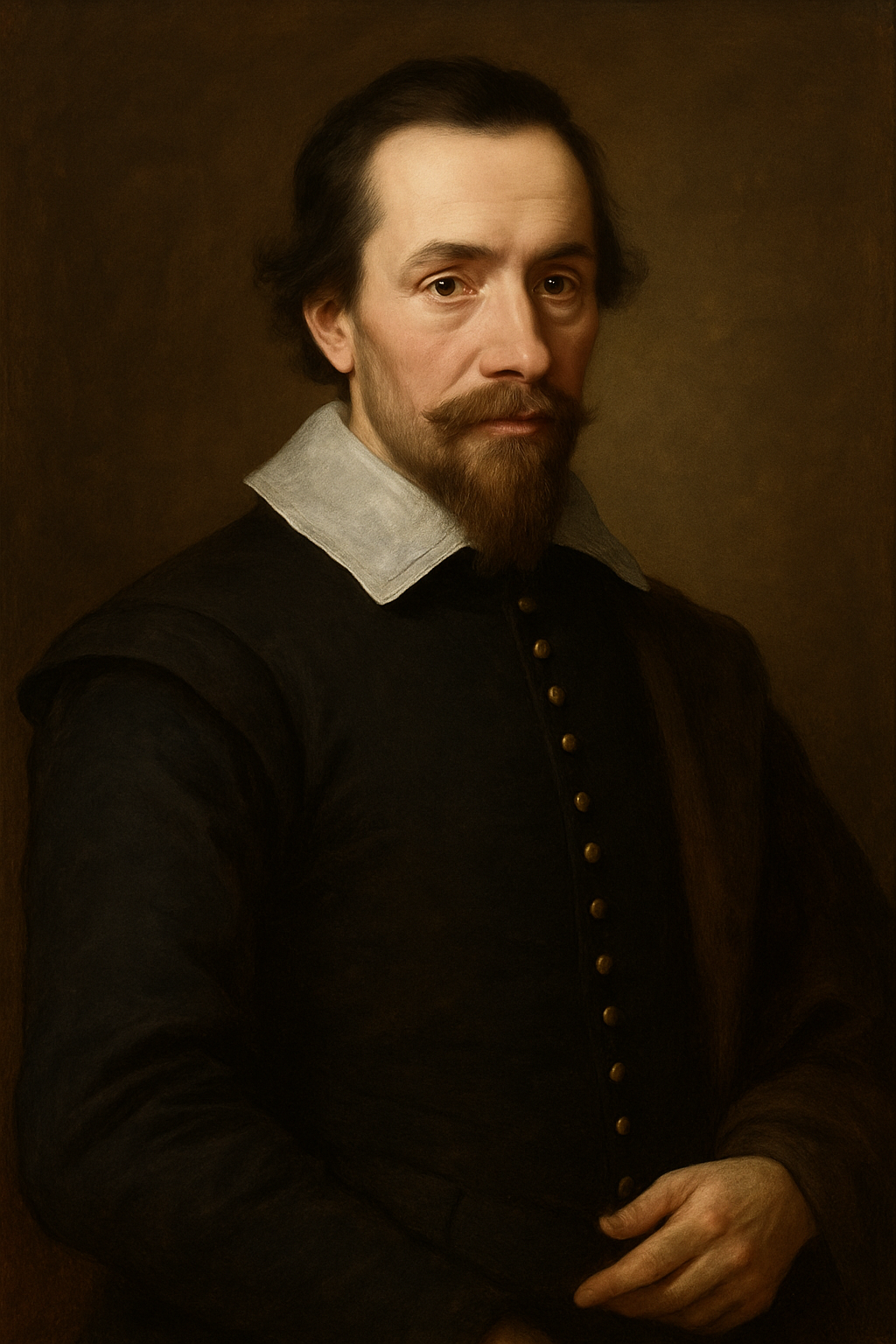
The Greatest Horologists Of Their Time: David Ramsey (c.1580-c.1660)
In this occasional series, we will explore the life and achievements of the greatest and most respected horologists of their time. This feature will focus on David Ramsey one of the most glamorous and influential horological figures.
When we think of the great makers who shaped the story of British horology, a handful of names rise naturally to the surface. Yet among them, few shine with the quiet brilliance of David Ramsey (c.1580–c.1660)—a man whose career straddled two kingdoms, two monarchs, and the dawn of modern mechanical timekeeping. Ramsey was not just a craftsman; he was an inventor, a courtier, a thinker of wide-ranging curiosity, and ultimately the first Master of the Worshipful Company of Clockmakers in 1631. His legacy, though sometimes overshadowed by later giants, is woven deeply into the fabric of Britain’s horological heritage.
Early Life: A Scottish Talent Emerges
Little is recorded of Ramsey’s upbringing, but he was born in Scotland around 1580, a time when mechanical clocks were still rare and revered objects. The Scotland of James VI was a kingdom on the cusp of transformation, and Ramsey appears to have been among a remarkable generation of technically minded Scots whose skills would soon find a broader stage.
By the early 17th century, Ramsey had already gained a reputation for exceptional workmanship. He was part of a new wave of northern European clockmakers experimenting with portable clocks, improved escapements, and more accurate timekeeping. His background positioned him perfectly for what would become a defining moment—not only for his life, but for British horology.
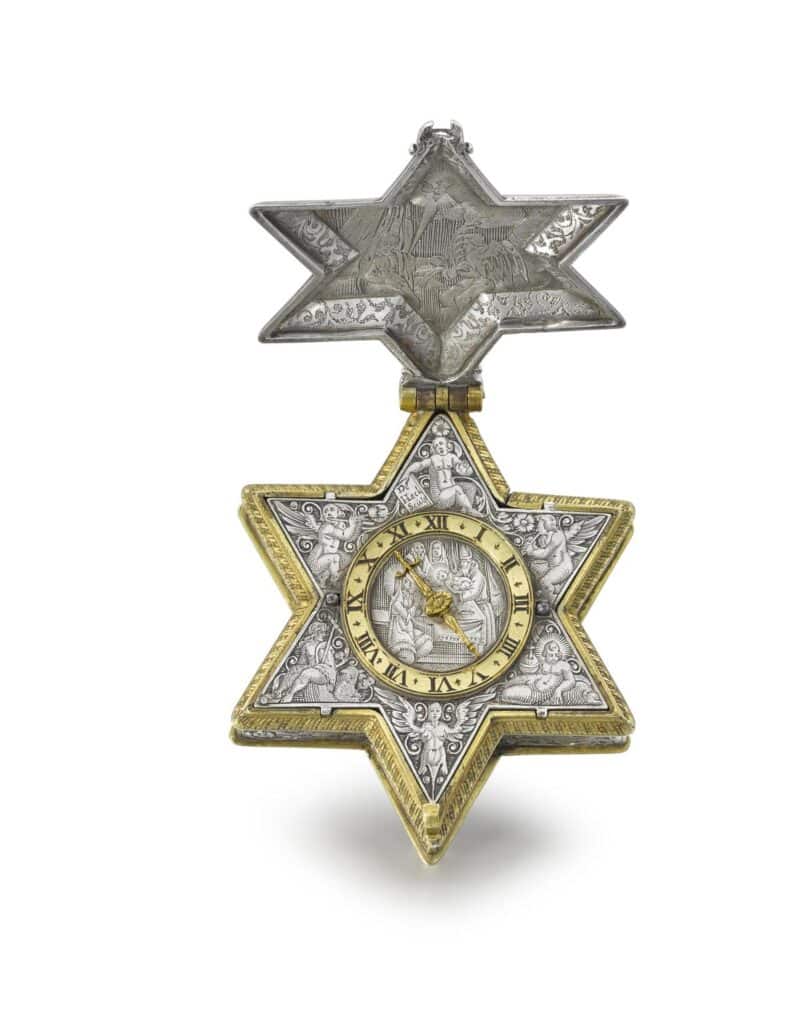
Silver watch in the shape of a six-pointed star by David Ramsay, c.1625. The silver case is engraved with scenes of the nativity on all surfaces. The silver dial has an engraved centre, while the six points of the star have representations of angels of which that above XII holds a shield bearing the legend ‘de Heck Sculp’ that refer to engraver Gerard de Heck of Blois, France, active from 1608 – 1629. The fusee movement has a verge escapement, pinned-on balance cock and ratchet wheel set-up. Signed ‘David Ramsay, Scottes me fecit’.
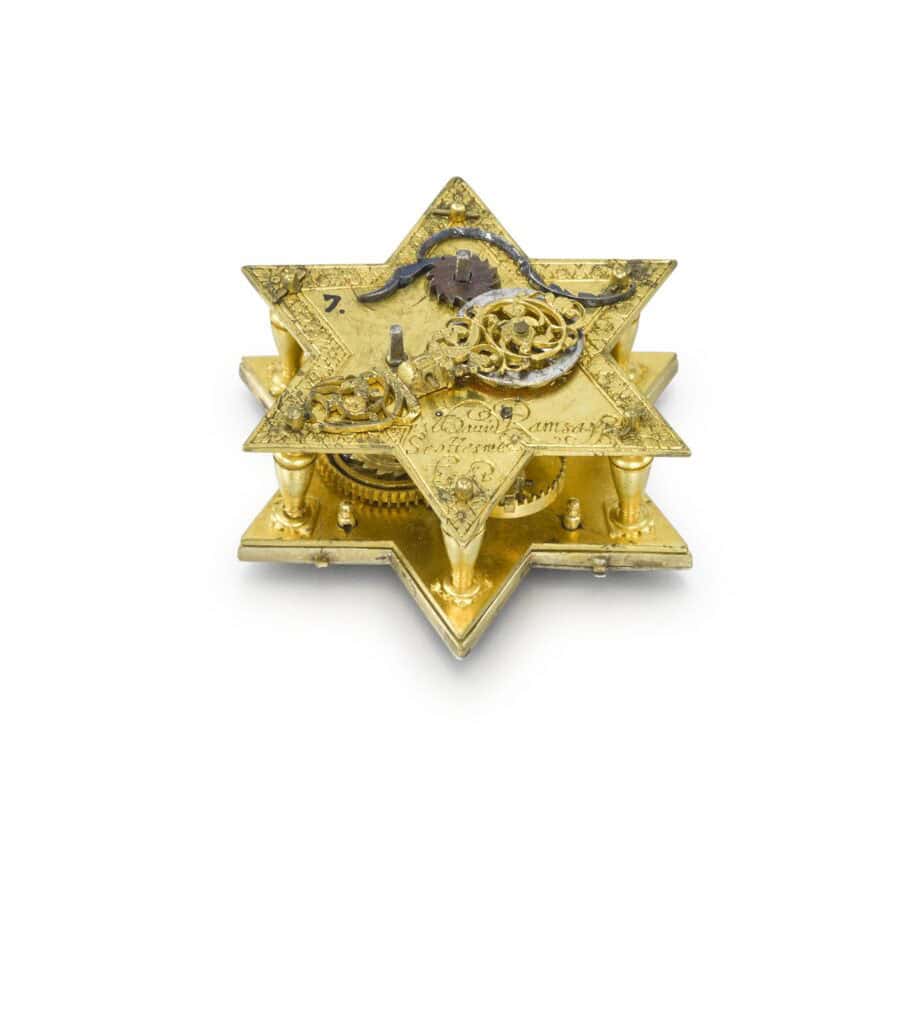
This watch was concealed for many years behind a tapestry at Gawdy Hall, Norfolk and only discovered in around 1790. As a result it is in remarkable condition.
A Royal Appointment: Clockmaker to King James VI & I
When James VI of Scotland ascended the English throne in 1603 as James I of England, he brought with him trusted craftsmen from his northern court. Among them was Ramsey, who quickly earned royal favour.
Ramsey was appointed Clockmaker to the King, a prestigious and highly visible role. At court, clocks and watches were more than tools; they were symbols of monarchy, learning, cosmopolitan taste, and technological authority. A royal clockmaker had to be artist, engineer, and diplomat all at once.
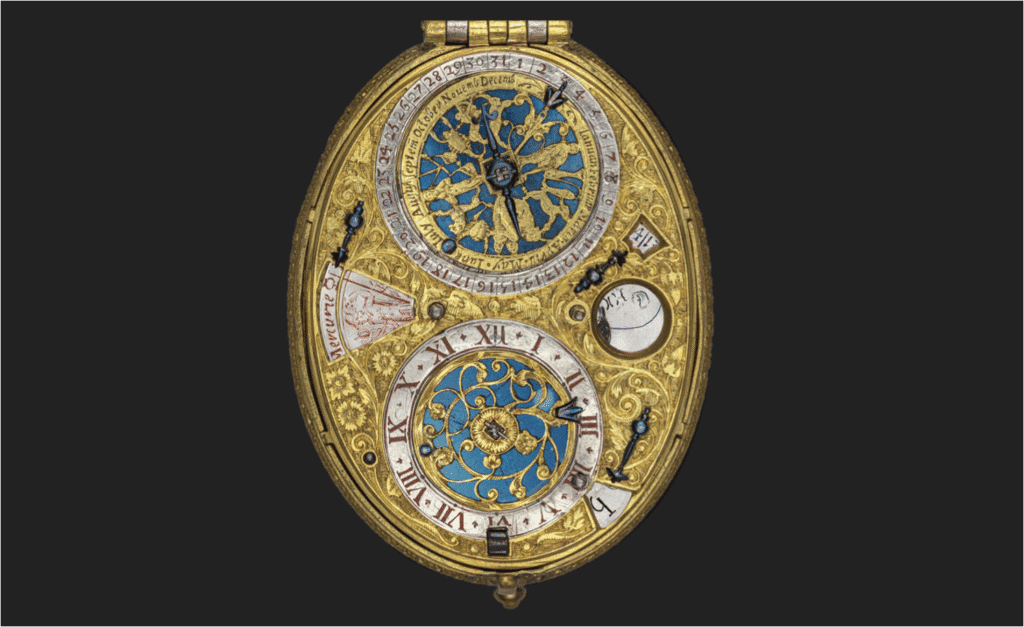
Ramsey was commissioned in c.1618 to make this exceptional astrological watch. Inside the case there is a magnificent engraved portrait of King James VI & I (below), indicates that it was most likely commissioned by the King himself.
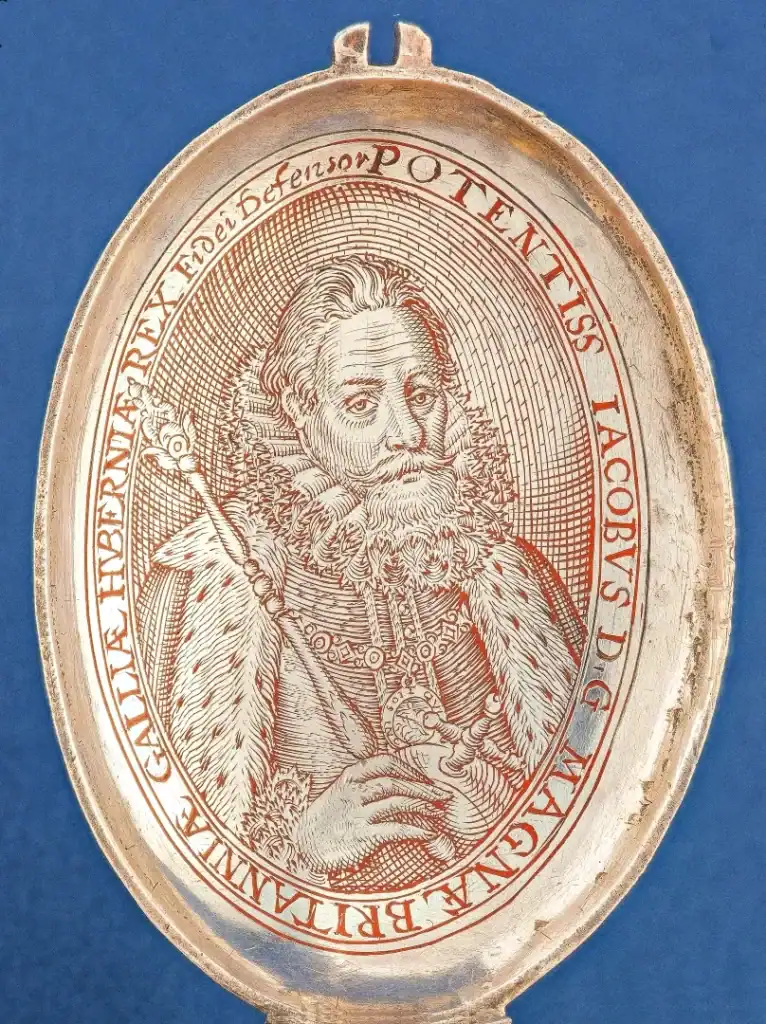
Each of the underlying mechanisms was engineered using complex mathematics to get the multiple gears to work together. It was probably gifted by the King, but to whom, we do not know.
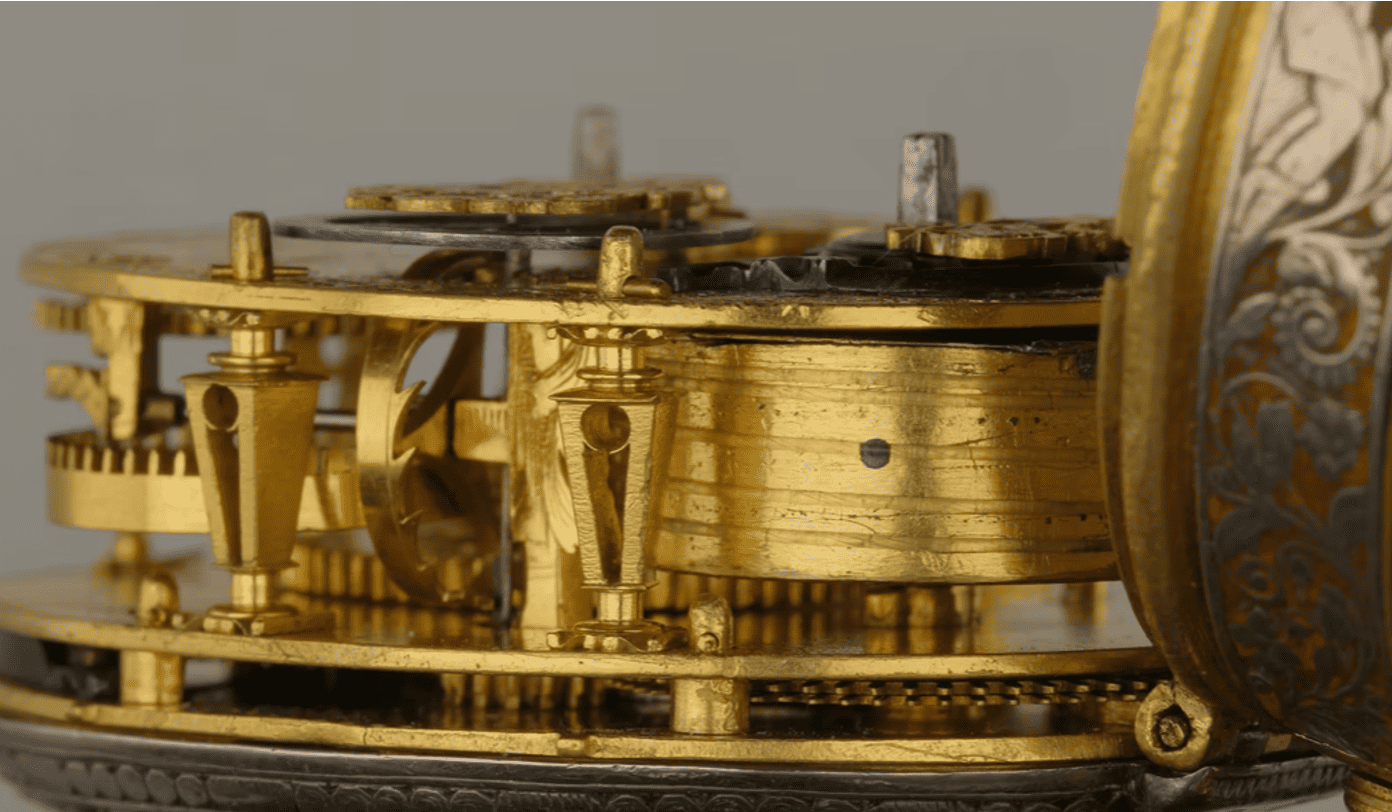
His responsibilities included maintaining the King’s clocks and watches, designing new pieces, and overseeing the broader horological needs of the royal household. Surviving records—royal warrants, payments, and references—reveal a trusted craftsman deeply embedded in the machinery of the Stuart court.
Important Timepieces: Ingenuity in Brass and Steel
A number of timepieces attributed to or associated with Ramsey survive today, offering glimpses of his innovation:
1. Portable Watches
Ramsey crafted elegantly decorated watches, often drum- or oval-shaped, with finely engraved cases and dials. His work shows strong Continental inspiration, yet retains a distinctly British character.
2. Technological Curiosity
He held multiple patents across a range of disciplines—navigation, agriculture, even alchemy. His horological patents include mechanisms designed to improve speed and accuracy. Though not all were realised, they reflect a restless and inventive mind.
3. Royal Commissions
Ramsey produced pieces for both James I and Charles I, including watches presented as diplomatic gifts. These items served as expressions of royal status, and Ramsey’s craftsmanship carried the reputation of the crown itself.
While not all of his clocks and watches survive, those that do display both precision and artistry—hallmarks of early British clockmaking.
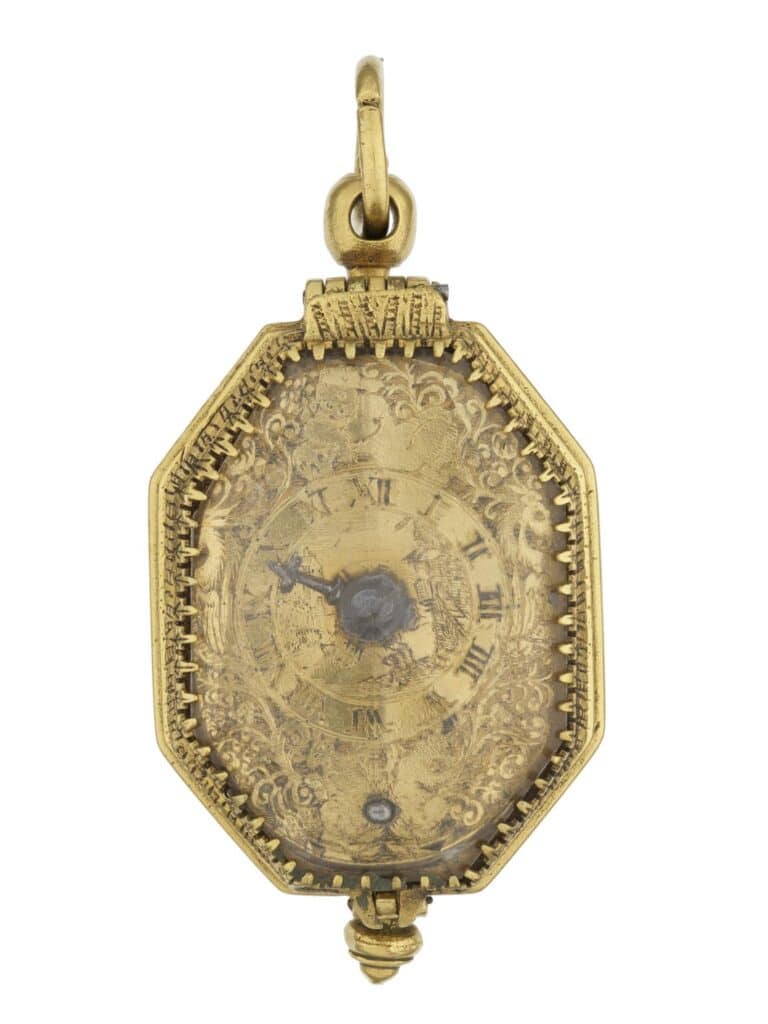
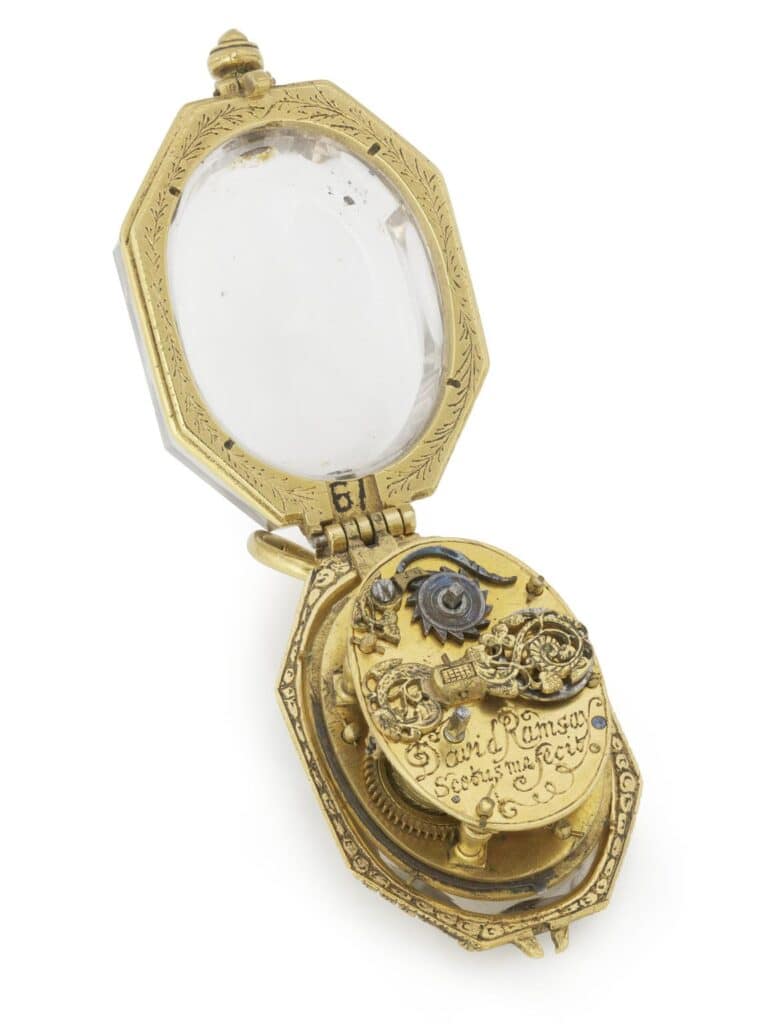
This is an octagonal cased watch made of rock crystal with gold mounts by David Ramsay, made in London c.1630. It has a gilt dial, engraved with foliage, animals and a cherub leaning on a skull. There is an engraved chapter ring, with roman numerals and a pastoral scene in the centre. Original steel hand. The movement with verge escapement has a train of three wheels, and fusee with gut-line, pinned-on balance cock and ratchet-wheel set up. The backplate is signed ‘David Ramsay, Scotus me fecit’.
Founding Father of the Clockmakers’ Company
As horology flourished in London, its artisans sought formal organisation. In 1631, the Worshipful Company of Clockmakers received its Royal Charter from Charles I. At its head stood David Ramsey as the Company’s first Master.
This was more than an honorary title. Ramsey helped shape the structure, standards, and ambitions of the Company at a time when English horology was emerging as a serious rival to Continental craftsmanship. Under his influence, the Company pursued:
- The professionalisation of clockmaking
- Apprentice training and regulation
- The defence of clockmakers’ rights against competing guilds
- The elevation of horology as both science and art
Ramsey’s leadership and status placed him at the centre of Britain’s mechanical revolution.
A Life of Inventive Curiosity
Beyond horology, Ramsey’s mind moved freely across disciplines. He filed patents for agricultural devices, siphons, engines, and even speculative inventions hinting at perpetual motion—an obsession of many learned men of his era.
He was part of a cultural milieu that blended early scientific inquiry with Renaissance imagination. Though we may smile at some of his more ambitious proposals today, Ramsey embodied the spirit of the age: bold, experimental, and endlessly curious.
Later Years and Legacy
Ramsey lived into the turbulent mid-17th century, witnessing civil war, revolution, and the collapse of the monarchy he once served. Records place his death around 1660, the year of the Restoration—a fitting bookend to a life threaded through the drama of the Stuart era.
His legacy endures in three key ways:
- Royal craftsmanship: His watches exemplify the technical and artistic beginnings of British portable timekeeping.
- Institution building: As the first Master of the Clockmakers’ Company, Ramsey helped establish a professional identity that still thrives centuries later.
- Horological vision: He pushed boundaries, embraced invention, and set early standards for British innovation.
Today, specialists and collectors regard him not only as an early master clockmaker but as a defining figure in the foundation of horology as a respected craft in Britain.
David Ramsey’s silver star-shaped verge watch’ is on display at the Clockmakers’ Museum at the Science Museum in London’s South Kensington. Find out how you can join free weekly tours by clicking this link.
N.B. Hero image is an artist’s impression