
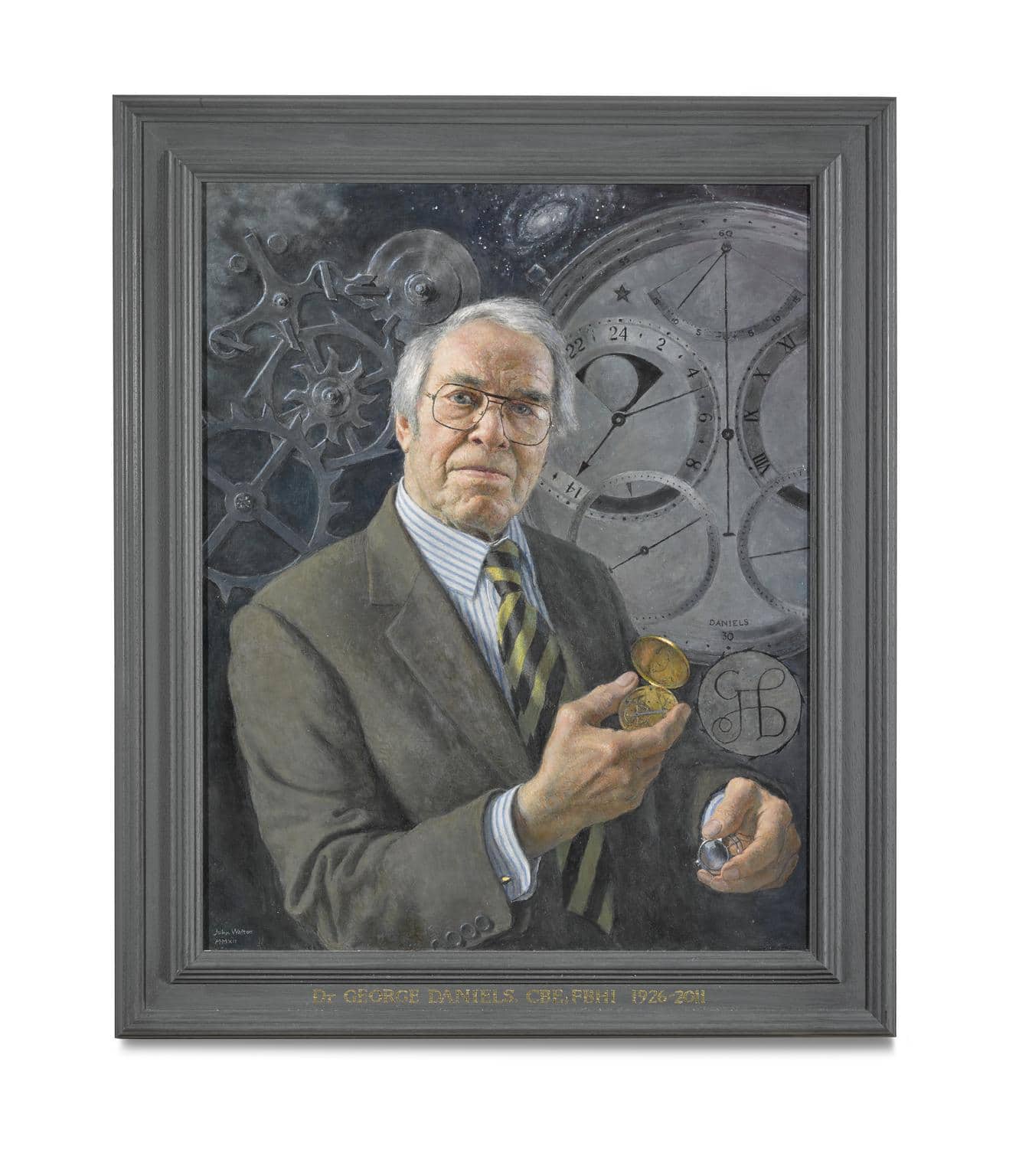
Why George Daniels Still Matters 100 Years On
Today marks the 100th anniversary of George Daniels birth. Daniels was a master craftsman, innovator, and perhaps the most influential independent watchmaker of the modern era.
In an age when most people carry a smartphone capable of telling the time to astonishing accuracy, why does a watchmaker born in 1926 still matter?
The answer lies in the unusual legacy of George Daniels (1926 – 2011). He was not simply a skilled craftsman producing beautiful objects. He was an inventor who challenged assumptions about how mechanical watches should work and, in doing so, transformed an industry that many thought was heading towards obsolescence.
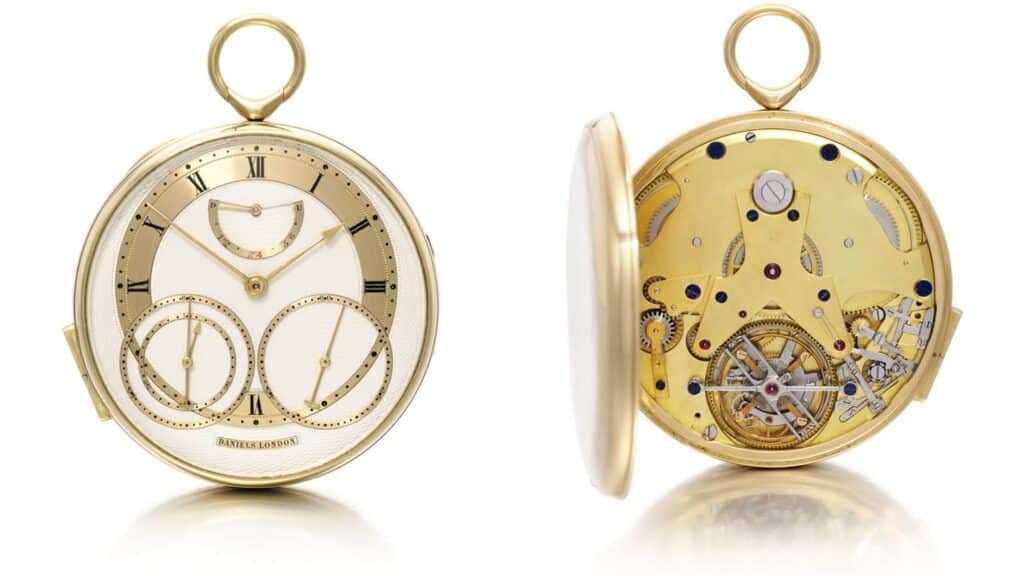
Twentieth-century Britain produced many celebrated engineers and inventors, from pioneers of aviation to developers of computing technology. Daniels worked on a much smaller scale. For much of his career, he worked largely alone from his workshop on the Isle of Man, designing, building and refining watches by hand. Yet one of his inventions remains in use today in watches worn by people around the world.
One hundred years after his birth, Daniels’ legacy can still be found in museum collections, watchmakers’ workshops and modern wristwatches. His story offers a reminder that innovation does not always emerge from large laboratories or industrial research departments. Sometimes it begins with one person asking whether a familiar technology could work better.
A watchmaker who made almost everything himself
George Daniels’ career began in a traditional way. After serving an apprenticeship, he established himself as a watch and clock specialist with a deep knowledge of historical timepieces. But while many watchmakers focused on repairing or restoring existing mechanisms, Daniels developed a more ambitious philosophy.
He believed that a watchmaker should understand every stage of production. Rather than relying on specialist suppliers for individual components, he sought to master the entire process himself. Over the course of his career, he became known for creating complete watches by hand, producing not only the movement, the intricate mechanism that powers a watch, but also the dial, case and many of the tools required to make them.
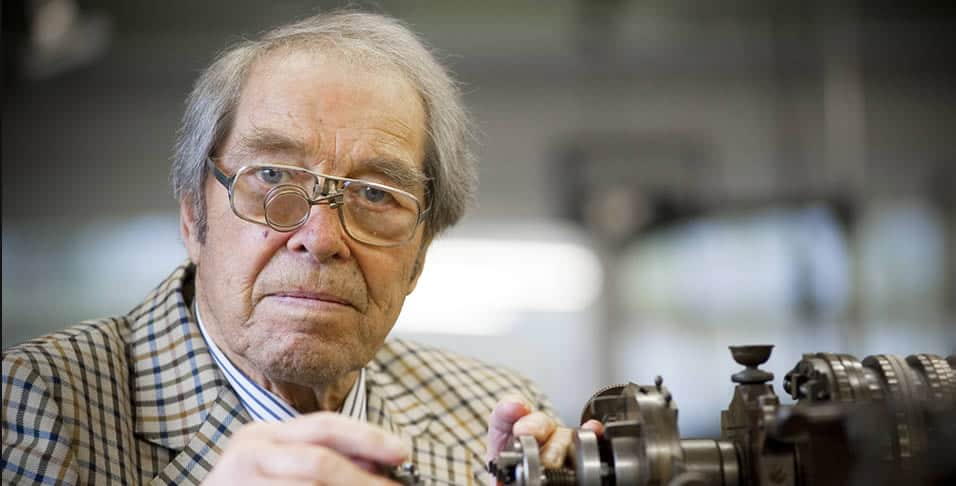
Even in the twentieth century, this approach was unusual. Watchmaking had long depended on networks of specialist manufacturers producing components that were then assembled into finished products. Daniels instead pursued a level of independence more often associated with earlier centuries.
Yet his aim was not simply to preserve traditional skills. He wanted to demonstrate that craftsmanship remained a source of innovation. Understanding every detail of a mechanism allowed him to question established designs and imagine alternatives. In Daniels’ view, mastering traditional techniques was not about looking backwards. It was a way of creating something new.
That idea continues to resonate today. Museums often tell stories of scientific breakthroughs, industrial advances and technological revolutions. Daniels reminds us that innovation can also emerge from careful observation, influences from the past, manual skill and a deep understanding of how things work.
Reinventing the heartbeat of the watch
The achievement for which Daniels is best known involved one of the most important parts of any mechanical watch, the escapement.
Often described as the “heartbeat” of a watch, the escapement regulates the release of energy from the mainspring and helps keep time at a steady rate. Although watch designs evolved over centuries, most modern mechanical watches relied on versions of the same basic mechanism, the lever escapement.
By the mid-twentieth century, the lever escapement was widely regarded as a mature technology. It worked reliably and had become the industry standard. Few people expected it to change significantly.
Daniels disagreed.
He believed the mechanism still had weaknesses, particularly the sliding friction generated as components interacted with one another. Friction creates wear and increases dependence on lubrication, which can degrade over time and affect performance. Daniels began searching for an alternative.
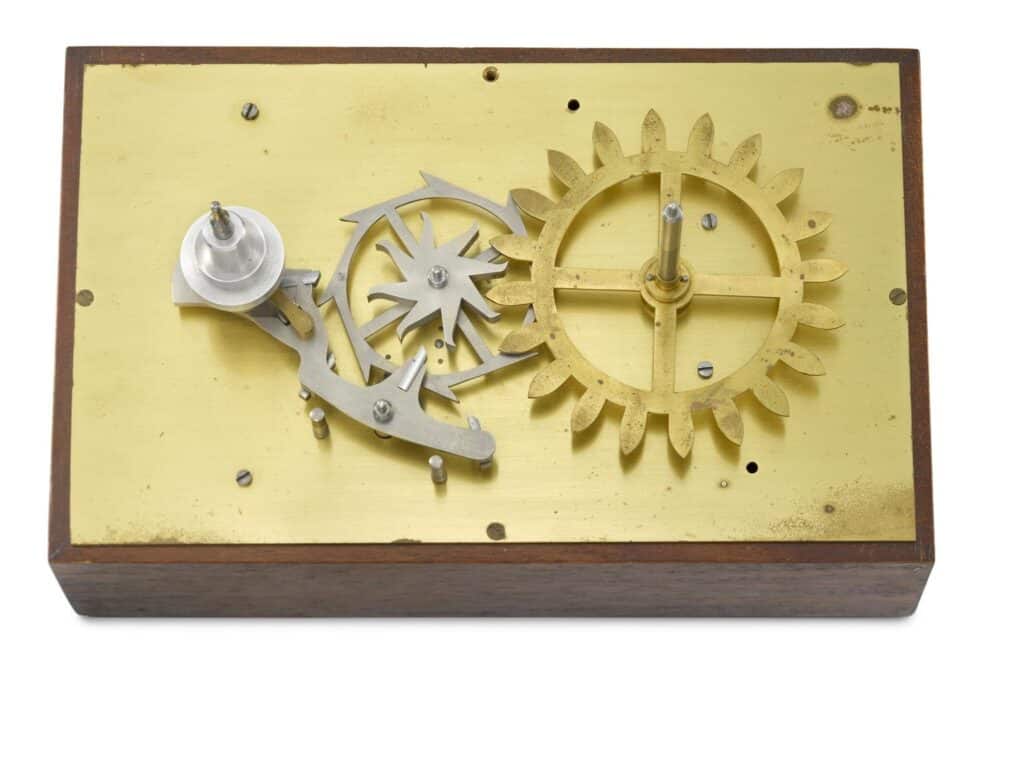
The result was the co-axial escapement, a design he developed during the 1970s. By changing the way impulses were transmitted through the mechanism, the co-axial escapement reduced sliding friction and relied more heavily on rolling contact. The goal was greater long-term stability and reduced dependence on lubrication.
Developing the invention was only part of the challenge. Daniels then faced the difficult task of persuading an industry to adopt it.
For years he built prototypes, demonstration models and experimental watches to prove the concept (above). Manufacturers initially showed little enthusiasm. Established industries are often cautious about change, particularly when existing systems already appear to work well.

Objects preserved in museum collections help tell this story of persistence. Working demonstration models reveal how Daniels communicated his ideas to others (above). Experimental watches show how new concepts were tested in practice. Later examples chart the transition from workshop invention to industrial production.
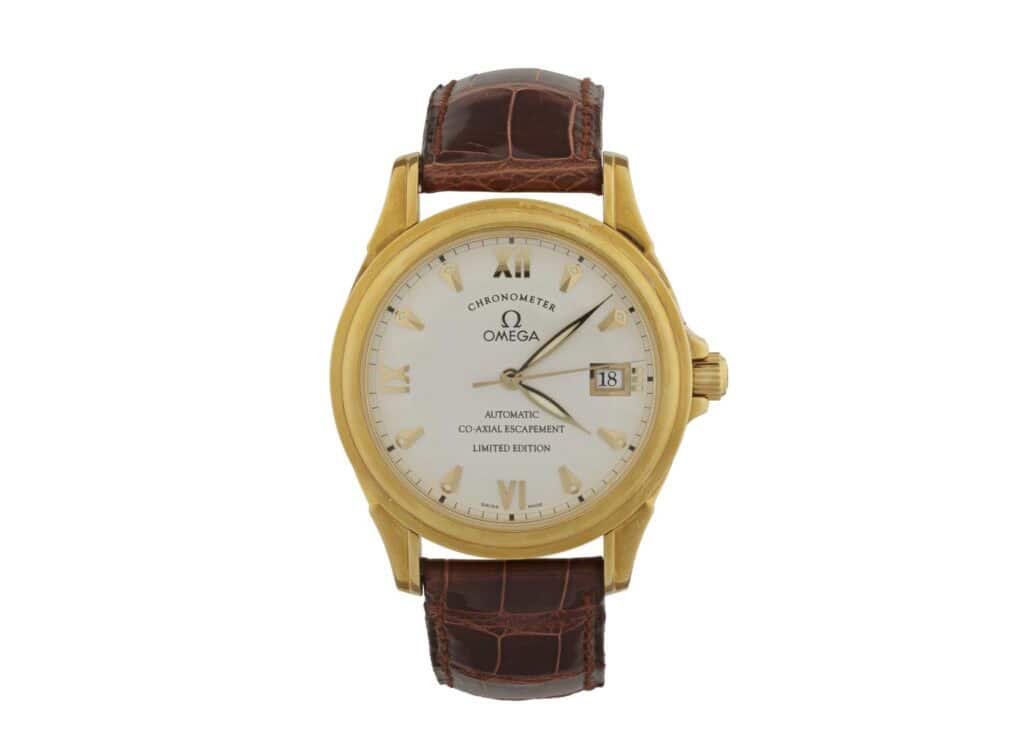
Eventually, the Swiss manufacturer Omega recognised the potential of the design. After years of further development, the company introduced the co-axial escapement into serial production in 1999 (below). What had begun as the project of an independent British watchmaker became a technology used on a global scale.
The significance of this achievement extends beyond horology. Daniels’ experience illustrates a challenge faced by inventors in many fields, having a good idea is only the beginning. Turning that idea into a widely adopted technology often requires patience, persistence and the ability to convince others of its value.
Inspiring a new generation of makers
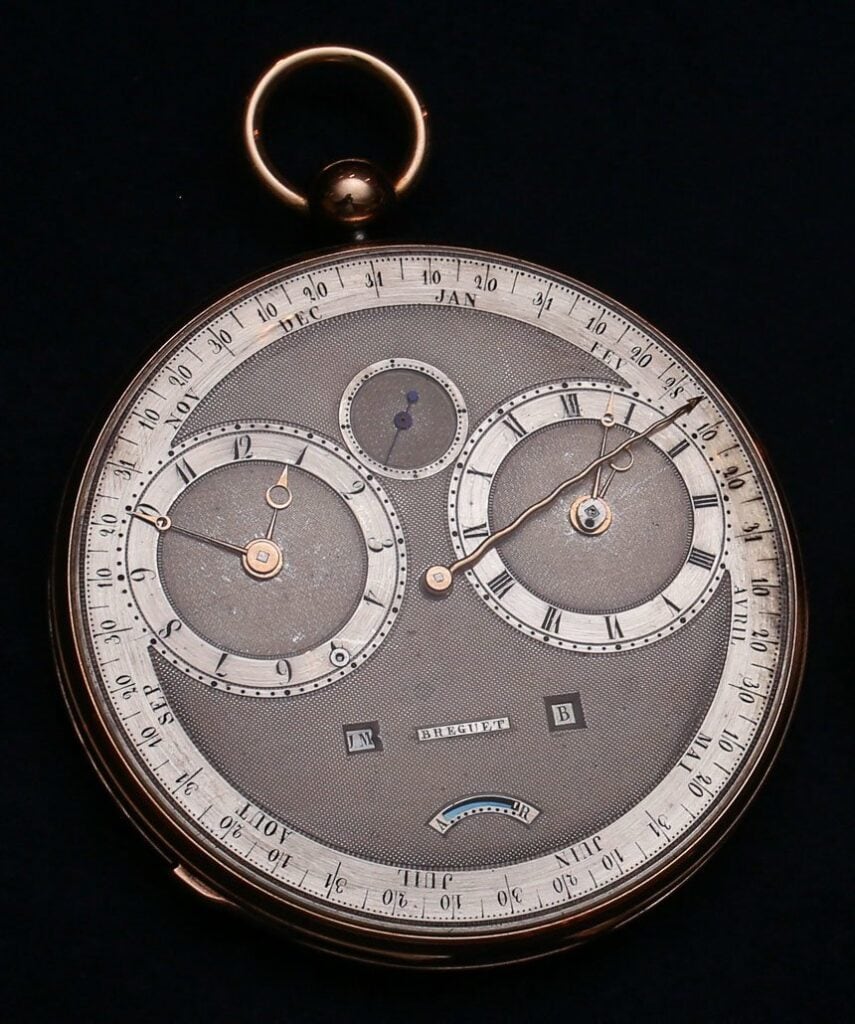
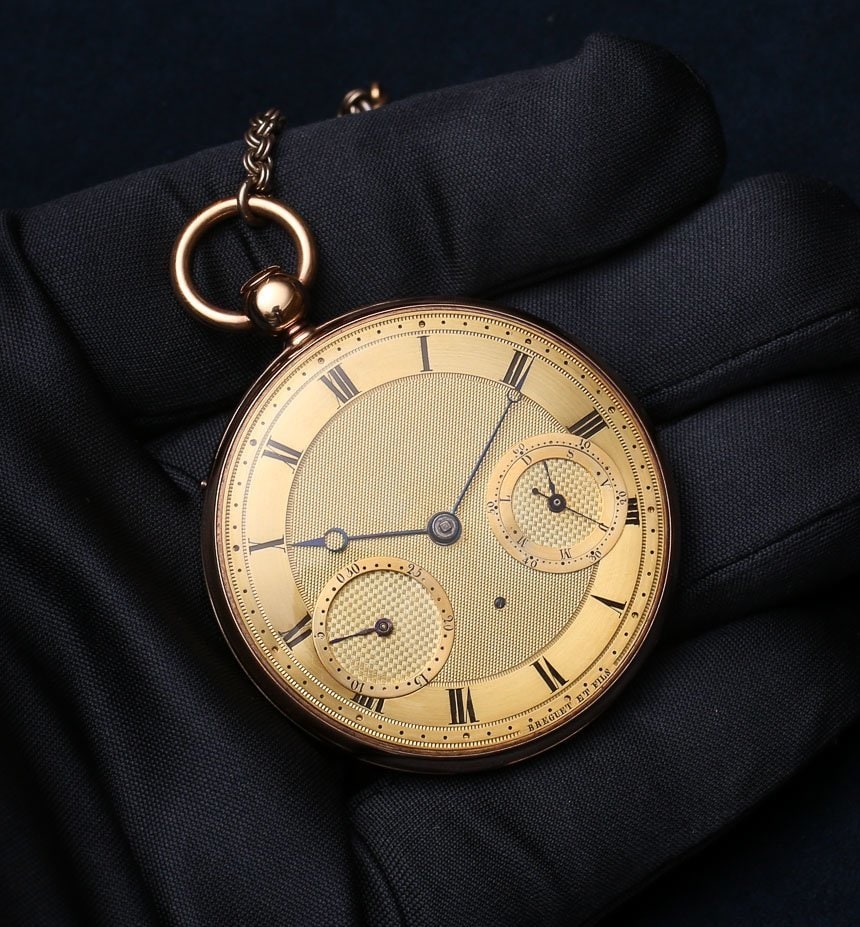
Daniels’ himself was influenced greatly by the master of 18th century watchmaking, Abraham-Louis Breguet, one of the finest craftsmen of his time (below). Daniels’ influence extends far beyond the co-axial escapement itself. During the 1970s and 1980s, the watch industry underwent a profound transformation. The arrival of quartz watches, powered by electronic oscillators rather than mechanical mechanisms, made highly accurate timekeeping cheaper and more accessible than ever before. Many observers predicted that traditional mechanical watchmaking would gradually disappear.
Instead, mechanical watchmaking survived and, in some areas, flourished. Daniels was among the figures who helped demonstrate why these older technologies still mattered. He showed that mechanical watches could remain sites of creativity, experimentation and technical innovation. Rather than treating watchmaking as a declining industrial craft, he approached it as an intellectual and artistic discipline capable of generating new ideas.
His example inspired a generation of independent watchmakers who followed a similar path, including the likes of Roger W. Smith. Many contemporary makers view watchmaking not simply as manufacturing but as a form of creative problem-solving that combines engineering, design and craftsmanship.
Today, independent watchmaking represents a vibrant part of the horological world. Although individual makers work in different styles and pursue different goals, many share an emphasis on technical originality and personal vision that echoes Daniels’ approach.
His legacy therefore lies not only in the objects he created but also in the community he helped inspire. Ideas, skills and methods are often passed from one generation to the next in ways that are difficult to measure, yet they can have a lasting impact on how technologies evolve.
Why museums collect George Daniels
What makes an object worthy of preservation in a museum?
The answer is rarely limited to rarity or monetary value. Museums collect objects because they help us understand broader stories about science, technology, culture and society.
George Daniels’ watches, tools and models are valuable in this sense because they tell several stories at once.
They are records of invention, documenting the development of new ideas. They are examples of craftsmanship, demonstrating skills acquired through years of practice. They connect to the history of scientific instrument making, precision engineering and twentieth-century British manufacturing. They also reveal how specialist knowledge can survive and evolve even during periods of rapid technological change.
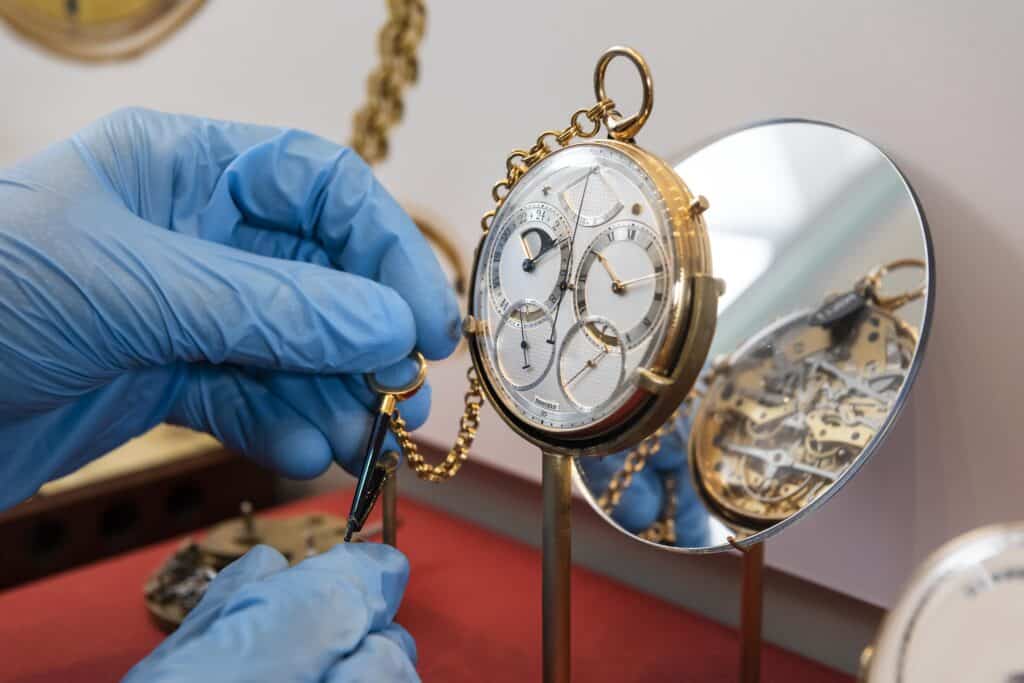
Objects associated with Daniels can be seen in the Clockmakers’ Museum housed at the Science Museum, including examples of his iconic timepieces such as The Space Traveller II (below) and material connected with the development of the co-axial escapement and watches produced during different stages of his career. Together, these objects allow visitors to trace the journey from concept to working technology.
They also invite broader questions. How do inventions emerge? Why do some ideas succeed while others fail? What role do individual makers play within larger technological systems?
Museums preserve objects not simply because of what they are, but because of the conversations they help us have. Daniels’ work continues to encourage discussions about innovation, expertise and the relationship between traditional skills and modern technology.
A legacy measured in ideas
So why does George Daniels still matter a century after his birth?
Part of the answer lies in the objects he left behind. His handmade watches are now treasured museum pieces, admired for their technical sophistication and craftsmanship. His co-axial escapement continues to power modern watches worn around the world.
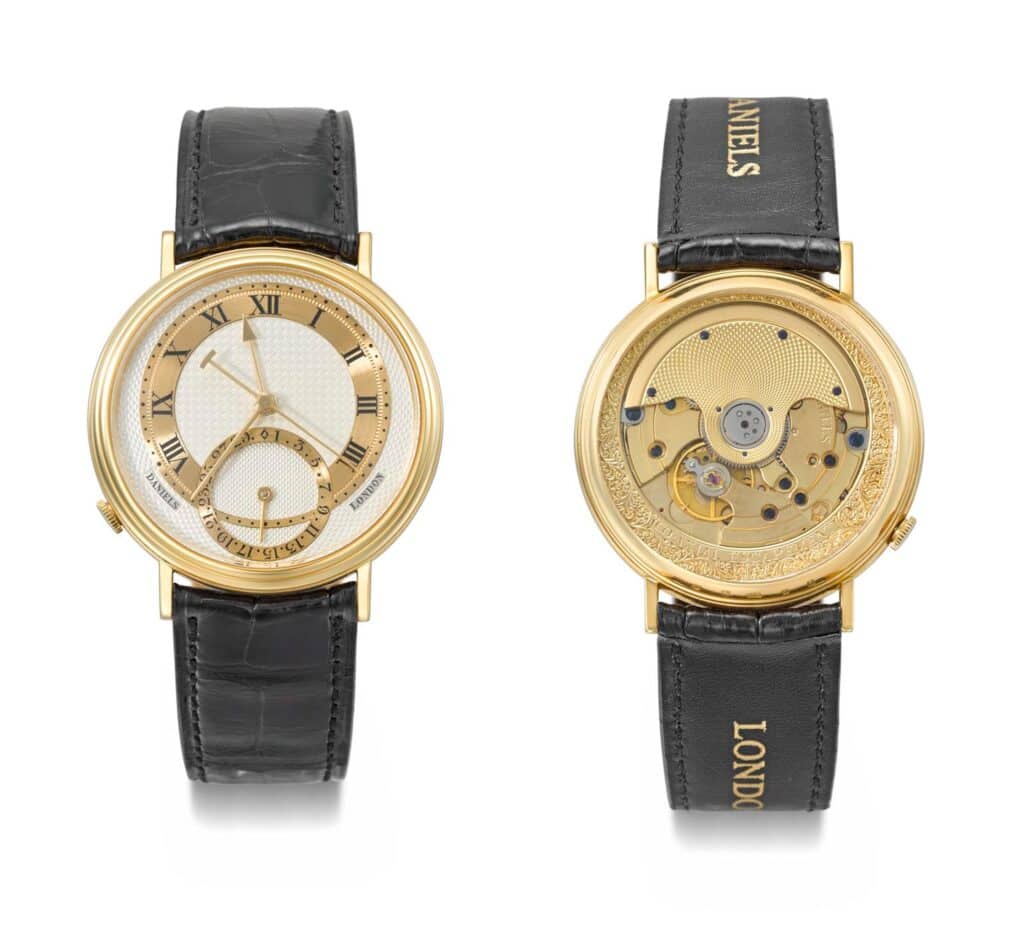
But perhaps his most important legacy is less tangible. Daniels represents something museums seek to preserve and explore, the moment when knowledge, skill and imagination combine to produce a genuinely new idea. He demonstrated that innovation does not always require abandoning older technologies. Sometimes it comes from understanding them so thoroughly that their hidden possibilities become visible.
At a time when mechanical watches appeared destined to be eclipsed by electronic alternatives, Daniels found a way to rethink one of their most fundamental mechanisms. In doing so, he showed that even mature technologies can still be improved.
A hundred years after his birth, that lesson remains as relevant as ever. Innovation is not always about replacing the old with the new. Sometimes it begins with looking closely at something familiar and asking how it might work better.
You can see a selection of George Daniels’ watches at the Clockmakers’ Museum in the Science Museum, South Kensington, London.