
Passing On Horological Skills: A Call to Trainers, Workshops and Makers
“Ask not what your industry can do for you, but what you can do for your industry.”
The future of British horology depends upon the successful transfer of specialist skills from one generation to the next. Whether those skills relate to watchmaking, clock restoration, engine turning, dial making, case making, engraving, leatherwork or cabinet making, they are often learned not in a classroom but directly from experienced practitioners.
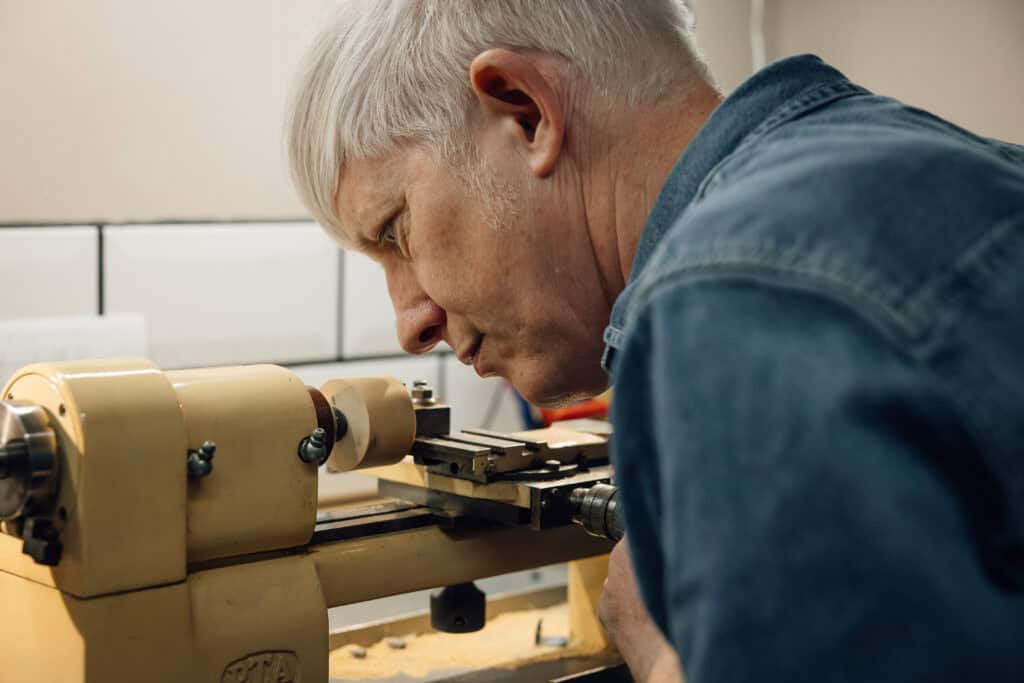
Without new ways for people to enter the craft, the pipeline of future watchmakers, clockmakers and specialist artisans is at risk. Yet the greatest resource the sector still possesses is the one that built it in the first place, the knowledge held by those experienced practitioners.
The Challenges Facing the Craft
Across the UK, the number of structured horological training programmes has declined. Many workshops are already operating at capacity, and the time required to train someone from scratch can feel daunting. For those hoping to enter the profession, the path can appear unclear or inaccessible.
This is not simply an issue of recruitment. It is a question of safeguarding the specialist skills that define British horology.
The Consequence
If these skills are not passed on, they risk disappearing. The sector cannot rely solely on formal institutions to carry the burden. The next generation needs access to real workshops, benches, real tools, and real expertise. And that can only come from the people already working within the craft.
The Response: A Call to Practitioners
The future of horology depends on more makers, restorers and specialist craftspeople being willing to share what they know. Crucially, this does not require taking on a full‑time apprentice. Many of the most effective training experiences involve:
- A few days teaching a specific restoration technique
- A week demonstrating engine‑turning methods
- A short, focused period passing on a skill developed over decades
“The Scholarship with Adam Phillips introduced me to a new way of making without changing the way I love working. It kept my processes traditional whilst enabling our case making to become more accurate and streamlined. It’s allowed us to enter a more complex world of case designs and has been integral to the growth of our workshop.”
Craig Struthers, Co-Founder, Struthers Watches
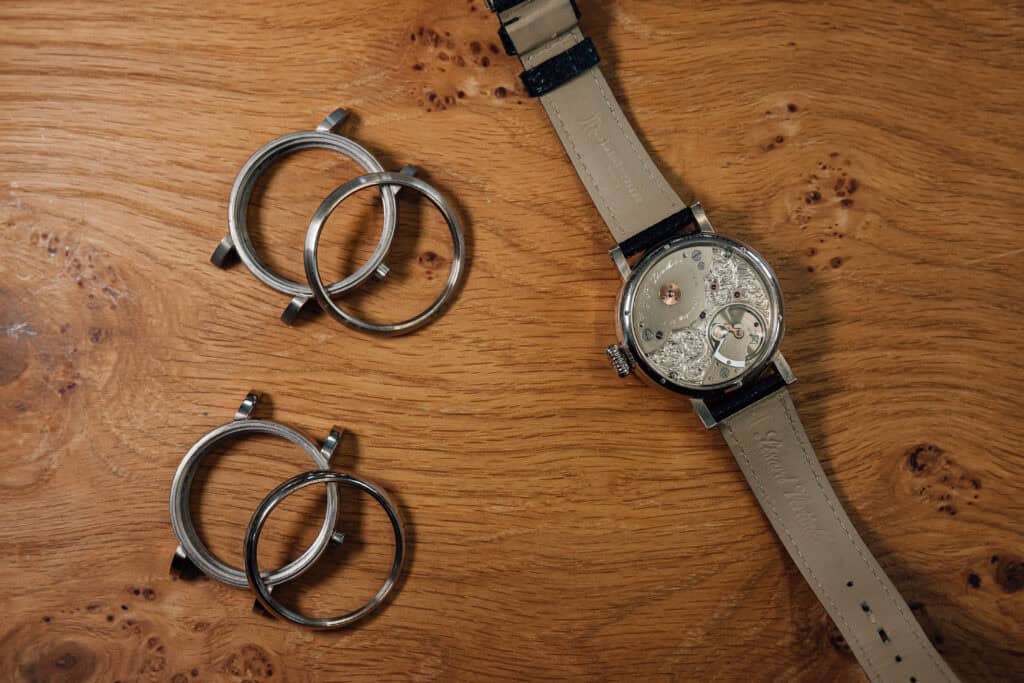
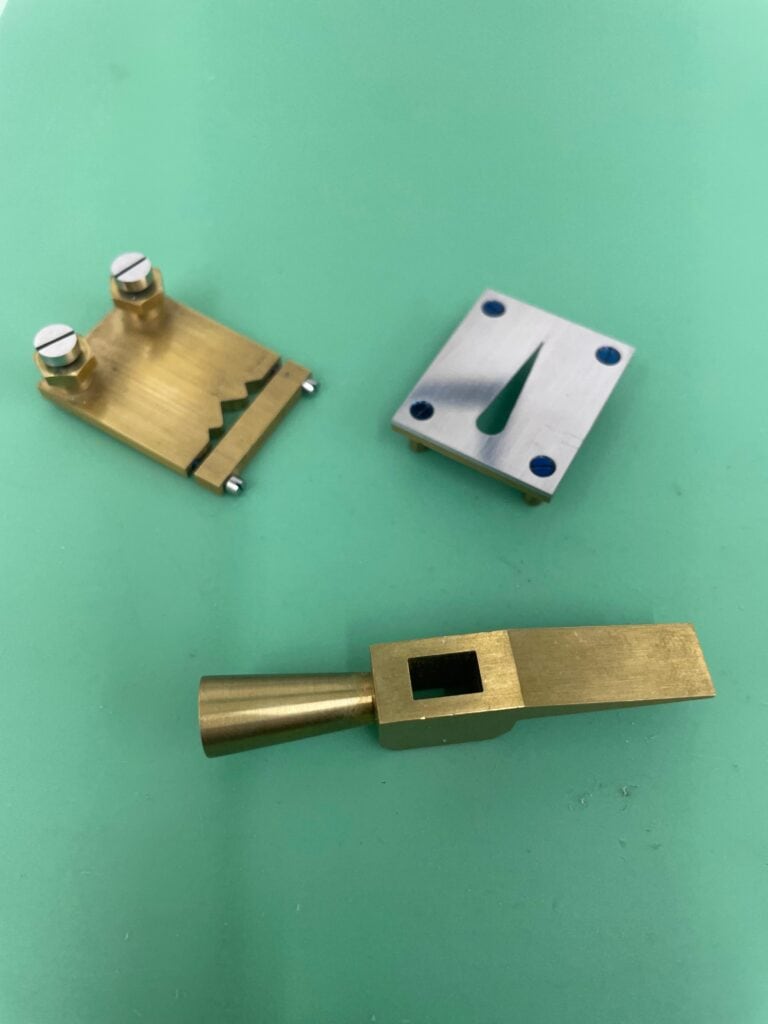
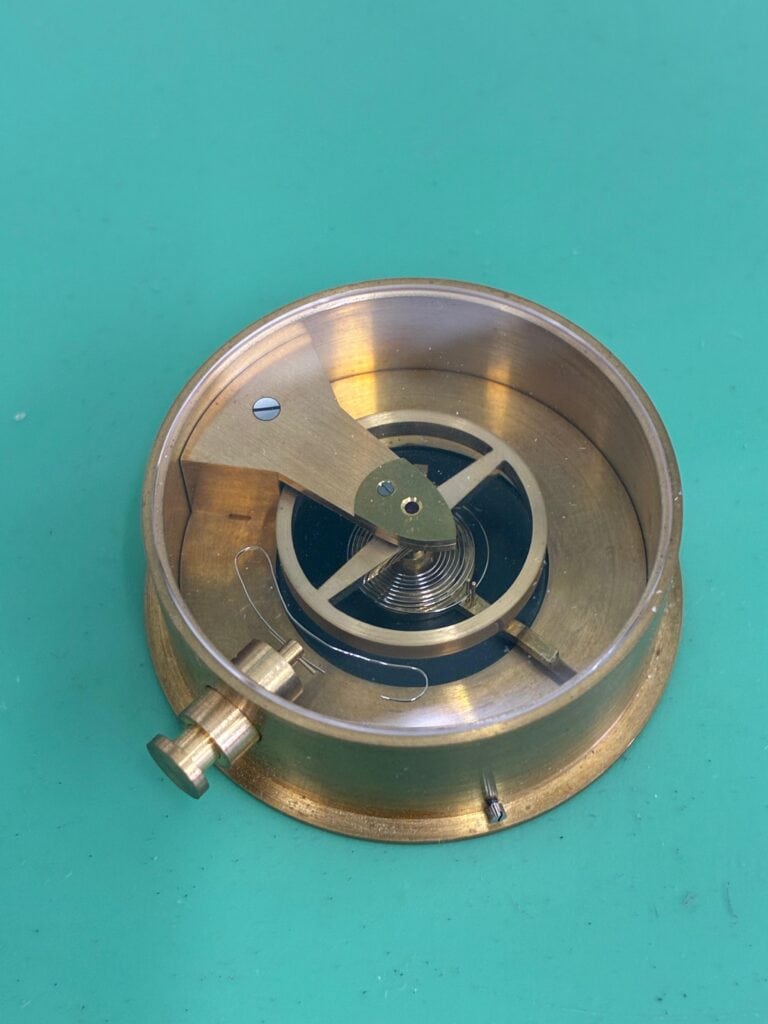
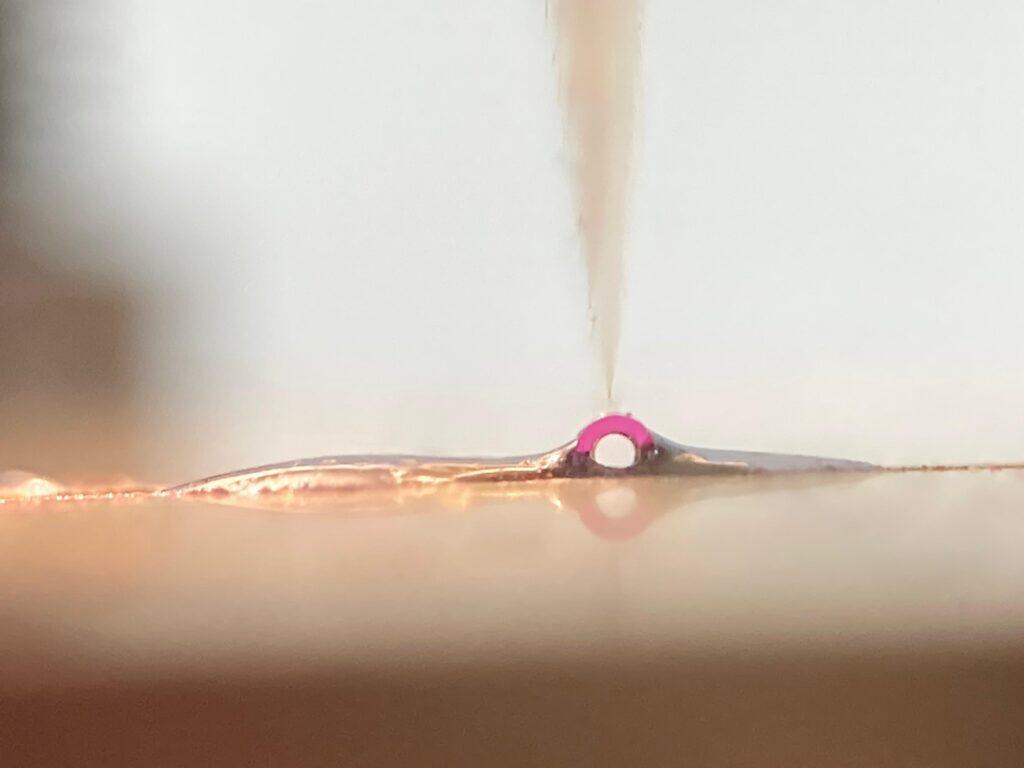
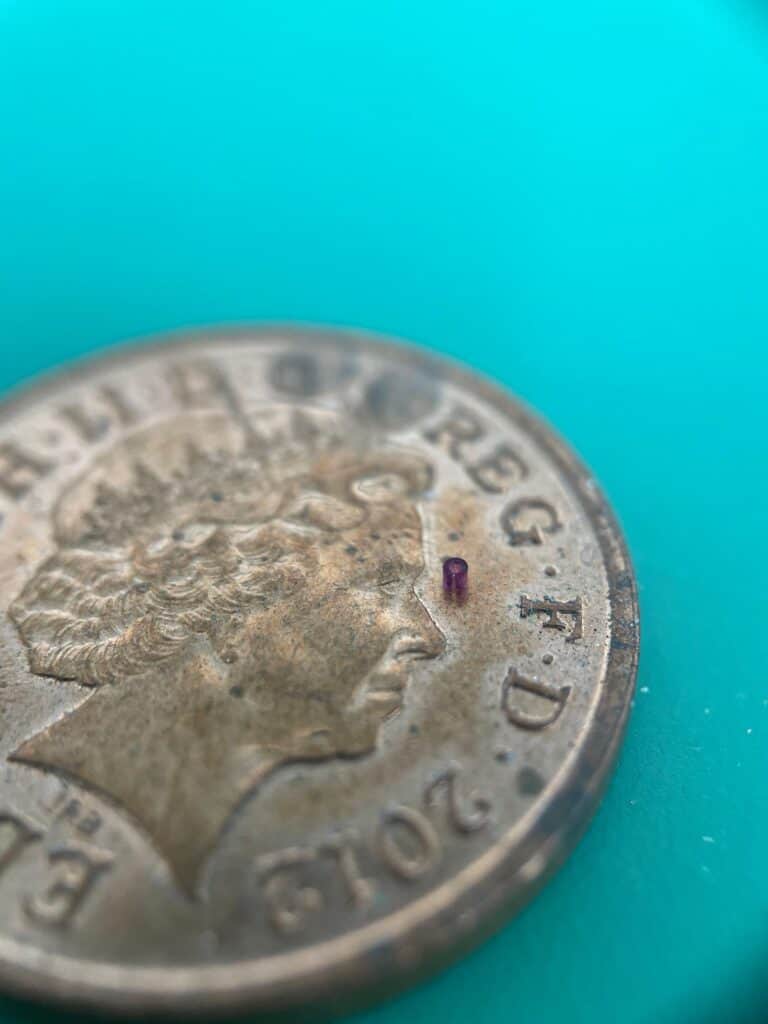
Independent makers, retired professionals, small workshops and niche specialists all have something to offer. Almost everyone has at least one skill that could benefit another craftsperson. Below are examples of the work of Patrick Woodward during his scholarship.
Where QEST Fits In
The Queen Elizabeth Scholarship Trust (QEST) cannot solve the skills shortage alone, but it can help remove barriers.
QEST offers three competitive grants that support skills development at different stages of a maker’s career:
- QEST Scholarships are for established makers seeking advanced training
- Emerging Maker Grants are for early‑career craftspeople wanting to develop specialist skills
- QEST Apprenticeships support structured training relationships
These grants can fund bespoke, short‑term training delivered by industry specialists. Importantly, trainers are paid directly by QEST at a day rate they set themselves. However, funding is only released once a candidate has made a successful application, and places are extremely competitive.
QEST is one enabler, an important one, but it relies on the sector to create the training opportunities that applicants can apply for.
Real Examples of Skills Transfer in Action
Across the craft, QEST alumni demonstrate the impact that short, targeted training can have. Funding has allowed them to develop specialist decorative techniques and deepened expertise in traditional craftmanship. Horological practitioners have expanded technical capability through focused training and preserved rare skills such as case‑making and engine‑turning.
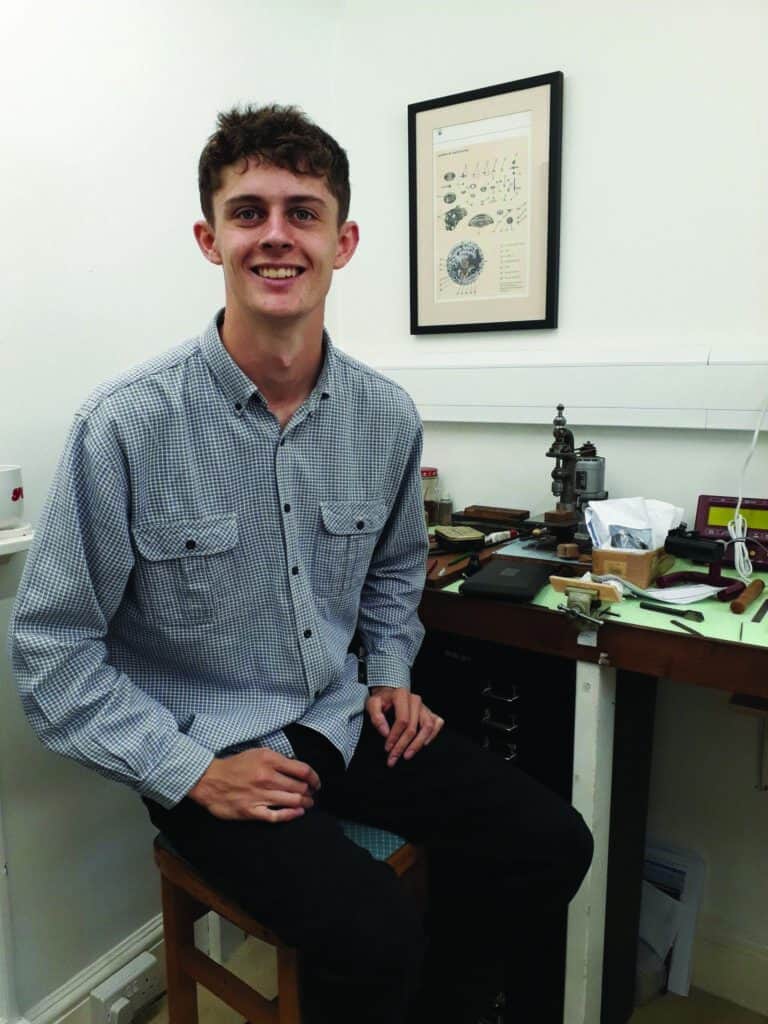
“QEST funding allowed me to take time to learn the scarcer elements of antique watch restoration which opened my eyes to a much more complex world of horology than I might have otherwise been exposed to.”
Patrick Woodward
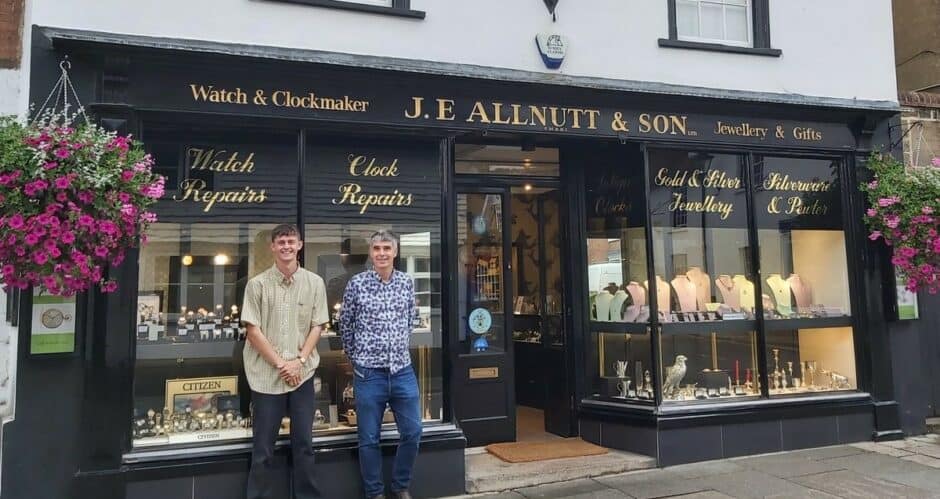
Patrick Woodward received QEST funding and works at J.E. Allnutt under the guidance of QEST Assessor, Geoff Allnutt. Patrick was awarded the prestigious BHI Bronze medal for outstanding achievement during his four year course. By combining scholarship support with world‑class horological practice, these stories show what becomes possible when experienced practitioners open their workshops to others.
A Sector‑Wide Invitation: Call to Action
If you have specialist knowledge that could benefit another maker, or if you are interested in developing your own skills through a tailored training programme, we would like to hear from you. Equally, if you have considered these opportunities and decided not to pursue them, your feedback would be invaluable in helping us understand the barriers facing the sector.
By working together, makers, workshops, educators and funders, we can ensure that the remarkable skills that define British horology continue to thrive for generations to come.
The next QEST application window is between the 8th July and 12th August.
For more information about QEST scholarships, please visit Queen Elizabeth Scholarship Training (QEST)