
The Art of the Movement
For the seasoned collector, true beauty in watchmaking rarely resides on the dial alone. It is found beneath, within the movement, where centuries of craft, innovation and aesthetic philosophy converge.
© The Board of Trustees of the Science Museum
A mechanical calibre is not simply an engine, it is a canvas. Bridges become sweeping arcs, gear trains form geometric harmony, and finishing techniques transform raw metal into something poetic.
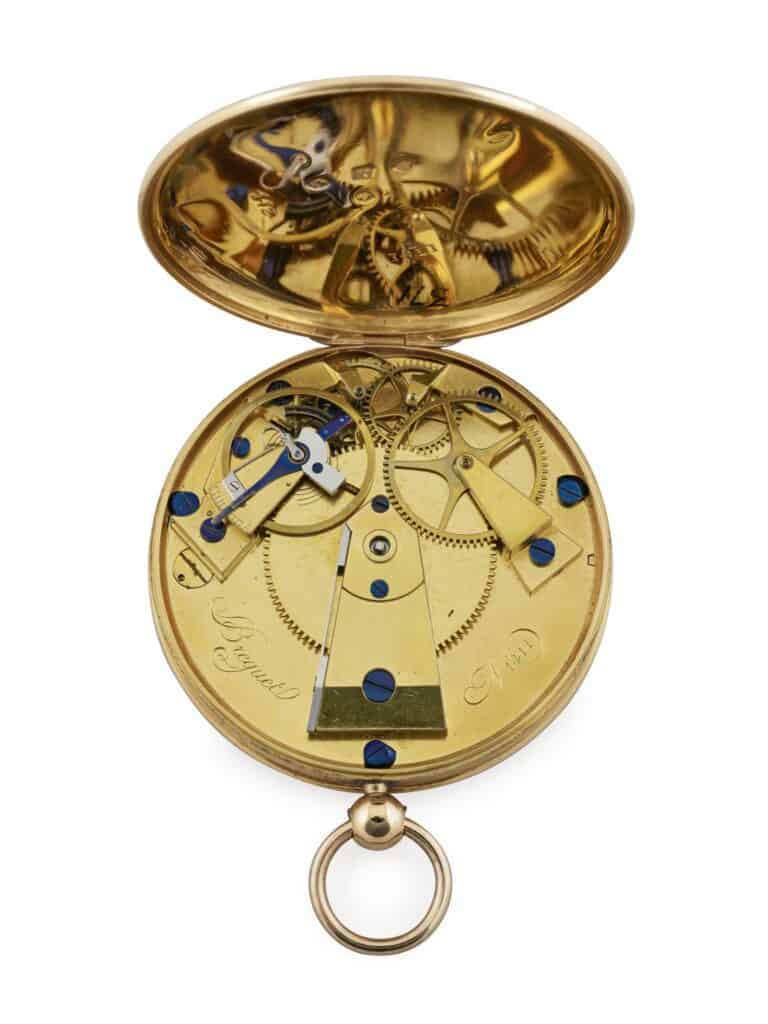
Long before sapphire casebacks and skeletonised displays became fashionable, watchmakers understood this intrinsic beauty. Abraham-Louis Breguet, perhaps the most influential figure in horological history, created movements that were as intellectually elegant as they were visually refined. His Souscription watches, with their expansive, minimalist architecture, embodied clarity of design, an early demonstration that restraint can be as beautiful as ornamentation.
Today, that philosophy has evolved into a full-blown celebration of exposure. Skeletonisation, once reserved for rarefied haute horlogerie, has become a defining expression of modern collecting. By stripping away excess material, watchmakers reveal the essence of the movement, a balance of tension and release, symmetry and asymmetry, light and shadow. For collectors, this is not merely aesthetic, it is an invitation to engage with the mechanics in their purest form.
We present five movements that exemplify the artistry within.
1. Breguet Calibre 507DR (Tradition Series)
Few modern movements capture historical beauty quite like those found in the Tradition line from Breguet. Inspired directly by Souscription pocket watches, the calibre 507DR presents its architecture dial-side, exposing the gear train in a perfectly balanced, almost architectural layout.
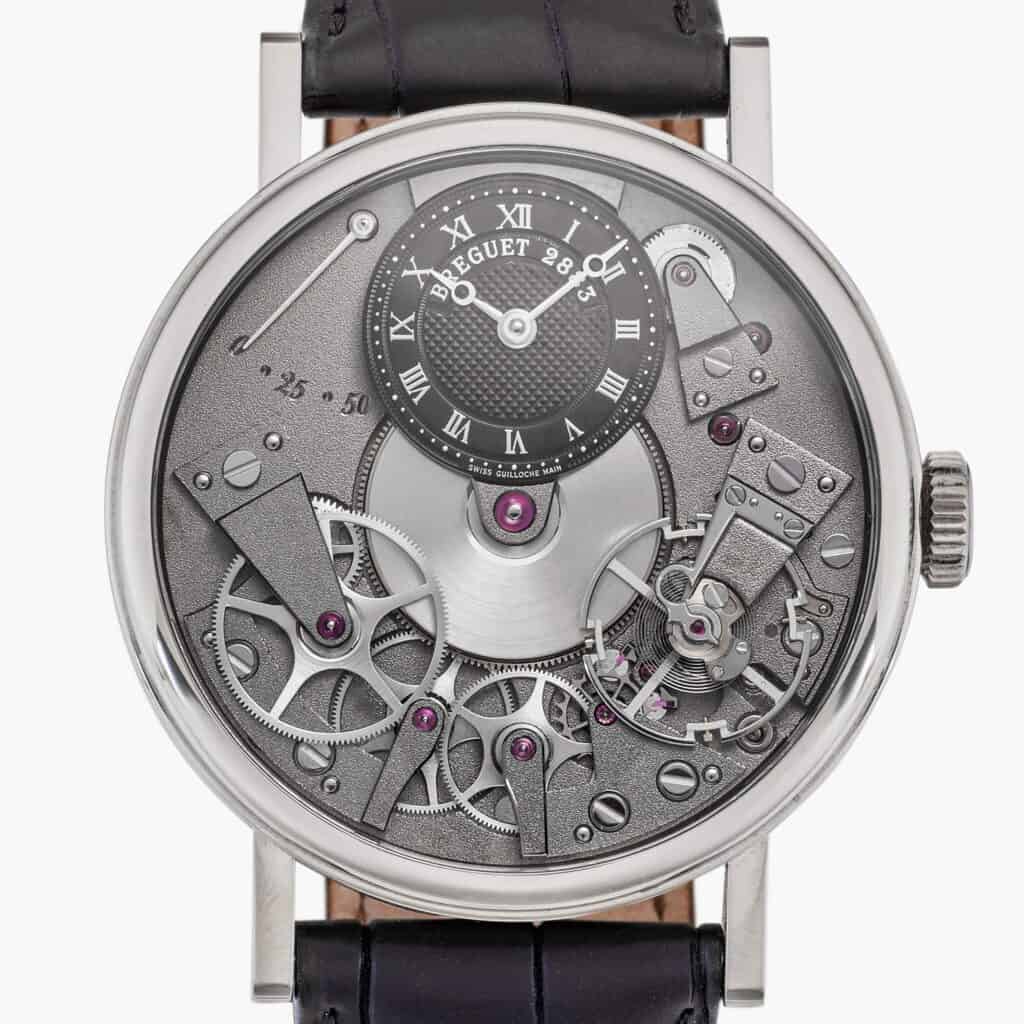
The symmetry is striking. Wheels radiate outward from the central barrel, while the finishing—frosted plates, blued screws, and hand-bevelled edges, echoes 18th-century techniques. It is not skeletonisation in the modern sense, but something arguably more profound: a movement designed to be seen from inception.
2. A. Lange & Söhne Calibre L951.1 (Datograph)
German watchmaking takes a different approach to beauty, one rooted in depth, contrast, and meticulous finishing. The Datograph’s calibre L951.1 from A. Lange & Söhne is widely regarded as one of the most beautiful chronograph movements ever created.
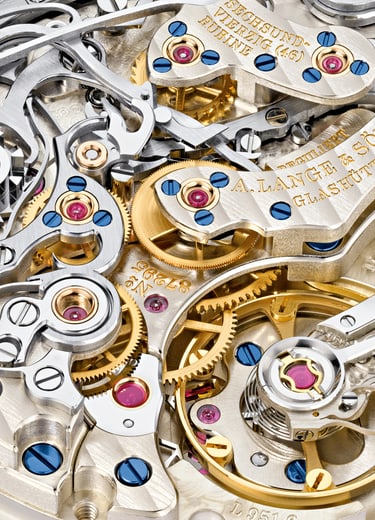
Turn the watch over and the view is breathtaking: untreated German silver bridges glow warmly, while the hand-engraved balance cock adds individuality to each piece. The layered construction of the chronograph mechanism creates a sense of depth that rewards prolonged study. This is beauty through complexity, an intricate mechanical landscape rather than a minimalist composition.
3. Vacheron Constantin Calibre 1003 SQ
Skeletonisation reaches its most refined expression in the hands of Vacheron Constantin. The calibre 1003 SQ, an openworked version of one of the thinnest mechanical movements ever made, is less a mechanism and more a piece of horological lace.
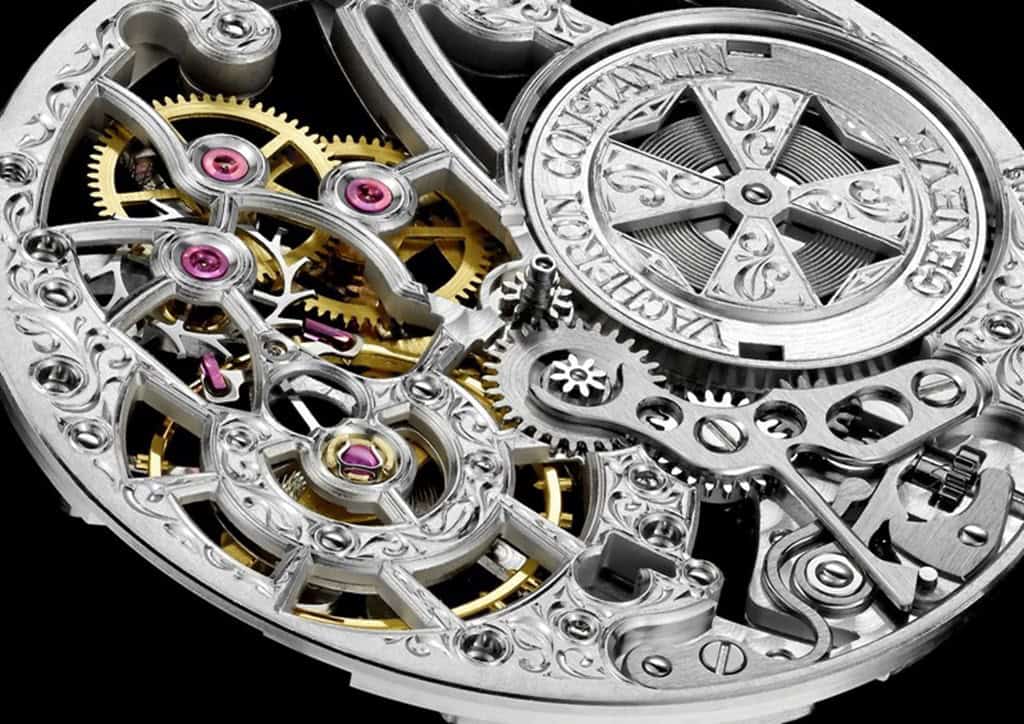
Every bridge is hand-carved, engraved, and finished to an extraordinary degree. Light passes through the movement, catching polished angles and engraved surfaces, creating a dynamic interplay between transparency and reflection. It exemplifies skeletonisation as an art form in its own right, where removal reveals, rather than diminishes.
4. Audemars Piguet Calibre 3132 (Openworked)
At Audemars Piguet, skeletonisation becomes architectural. The openworked calibre 3132 is defined by sharp internal angles, linear brushing, and a modern, almost industrial aesthetic.
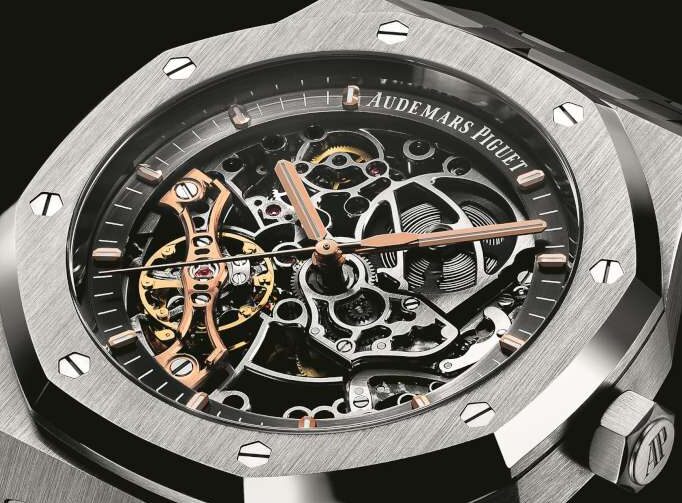
Unlike more decorative approaches, this movement emphasises structure. Bridges are reduced to bold, angular forms that highlight the tension between strength and delicacy. The result is contemporary and assertive, a reminder that beauty in watchmaking continues to evolve.
5. Greubel Forsey Double Tourbillon 30°
For collectors seeking the outer limits of movement artistry, Greubel Forsey offers an uncompromising vision. The Double Tourbillon 30° is a kinetic sculpture, where finishing and innovation exist in perfect equilibrium.
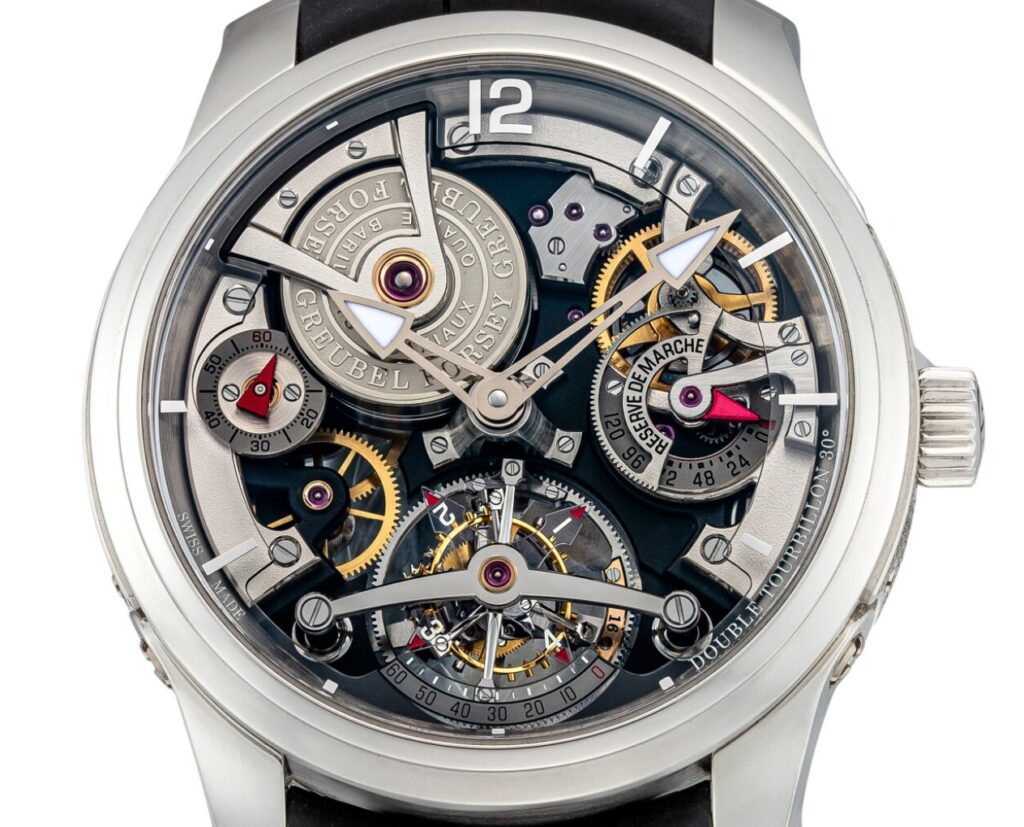
Black-polished steel, mirror-finished bevels, and perfectly executed interior angles elevate every component. The inclined, multi-axis tourbillon cage draws the eye constantly, transforming the movement into a living, breathing artwork. Here, beauty is inseparable from technical ambition.
The Modern Allure of Skeletonisation
The resurgence of skeletonised movements reflects a broader shift in collecting, a desire for transparency, authenticity, and connection. Collectors increasingly value not just the finished object, but the process, the handwork, the engineering, the countless hours of refinement.
Yet true skeletonisation is far from simple. Removing material requires rethinking the entire structure of the movement, ensuring rigidity and reliability are preserved. At the same time, every exposed surface must be finished to the highest standard, there is nowhere to hide.
In this sense, skeletonisation is both revelation and risk. Done well, it elevates a movement into art. Done poorly, it exposes its weaknesses.
The art of the movement lies in its ability to transcend function. Whether through the restrained clarity of Breguet’s early designs, the layered complexity of German chronographs, or the ethereal transparency of skeletonised calibres, the finest movements invite contemplation. This is nothing new as we know that watchmakers as early as the 1600s used rock crystal to showcase the movement of the watch as seen below in the fine example made by Royal watchmaker David Ramsey in 1630.
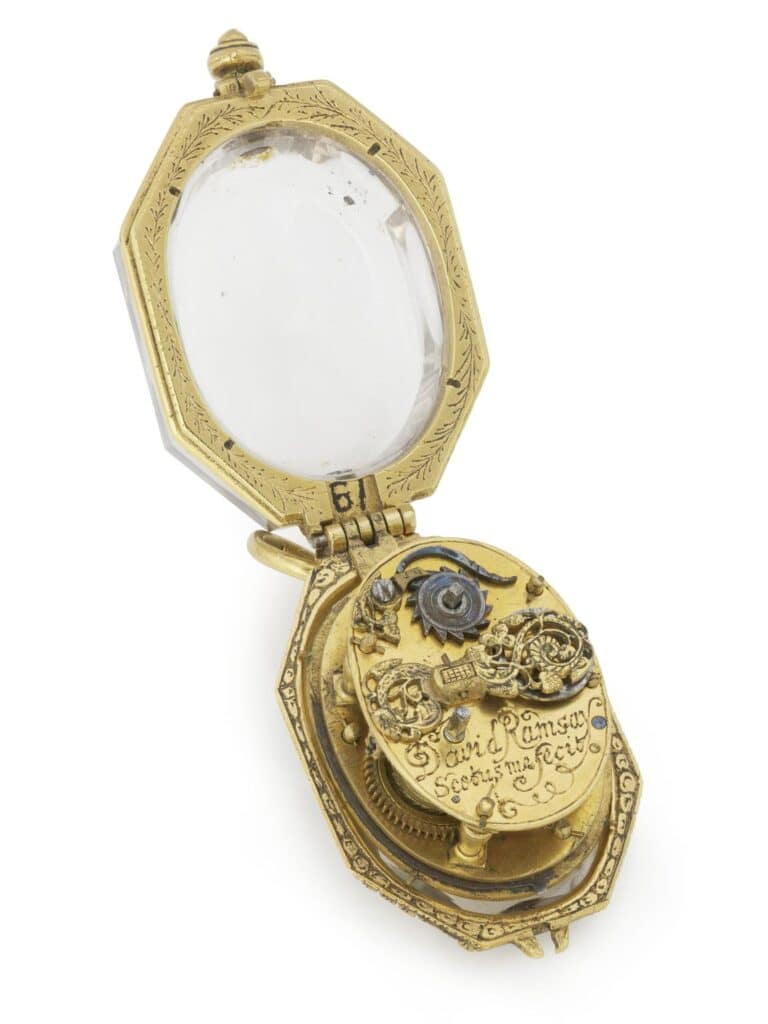
© The Board of Trustees of the Science Museum
For the collector, this is where the deepest appreciation begins, not with the telling of time, but with the understanding of how time is told.
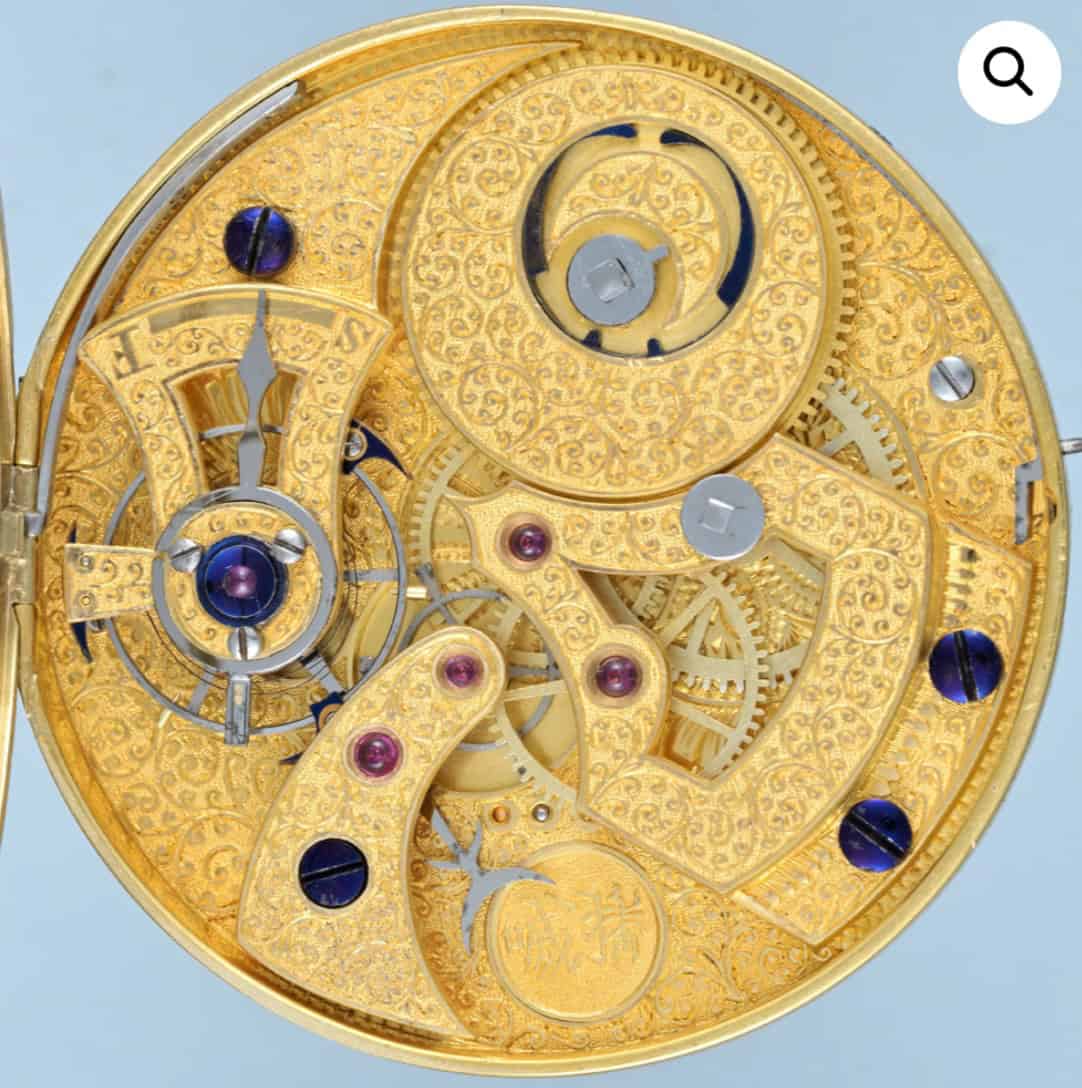
Hero image: Hand-decorated movement of pocket watch by Bovet, c.1870, made for the Chinese market. Image courtesy of Pieces of Time